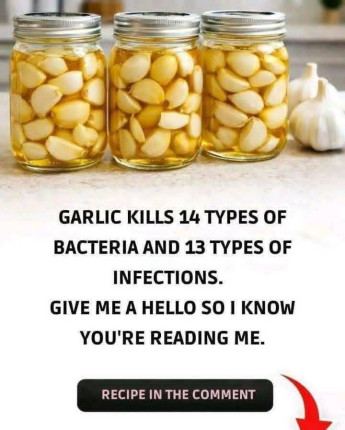
Garlic is often called a “natural antibiotic,” but that phrase can be misleading. While garlic does contain compounds with antimicrobial properties, it does not replace prescription antibiotics for serious infections.
Here’s what science actually says:
🧄 Why Garlic Gets This Reputation
1️⃣ Allicin – The Active Compound
When garlic is crushed or chopped, it forms allicin, a sulfur compound that has:
- Antibacterial effects (in lab studies)
- Antifungal activity
- Mild antiviral properties
Most of this evidence comes from laboratory (test-tube) studies, not large human clinical trials.
✅ Potential Health Benefits
✔ Supports Immune Function
Garlic may help stimulate immune cells and reduce the severity or duration of common colds in some studies.
✔ Mild Antimicrobial Effects
It may help inhibit certain bacteria and fungi, especially when used fresh and raw.
✔ Anti-Inflammatory & Antioxidant
Garlic contains antioxidants that support overall immune and cardiovascular health.
⚠️ Important Limitations
- Garlic cannot cure bacterial infections like pneumonia, strep throat, or UTIs.
- It does not replace antibiotics prescribed by a doctor.
- Raw garlic can irritate the stomach or cause heartburn.
- Large amounts may increase bleeding risk (especially if you take blood thinners).
🥄 Safe Ways to Use Garlic
- Crush or chop fresh garlic and let it sit 5–10 minutes before eating (helps activate allicin).
- Add to meals rather than consuming large raw amounts.
- Use as a supportive food, not as a medical treatment.
Bottom Line
Garlic has mild antimicrobial and immune-supporting properties, but calling it a “natural antibiotic that wages war on infections” is an exaggeration. It’s best used as part of a healthy diet—not as a substitute for medical care.
If you’d like, I can also explain which natural remedies actually have solid clinical evidence for immune support.
