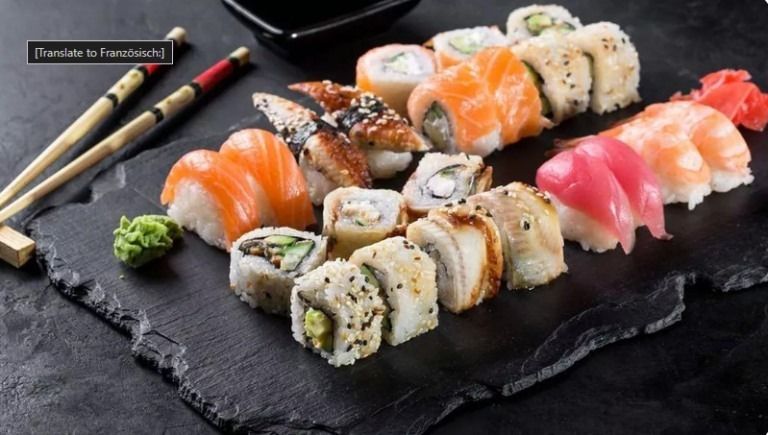
Japanese cuisine is a rich and diverse culinary tradition known for its fresh ingredients, delicate flavors, and artistic presentation. It emphasizes seasonality, balance, and umami (savory taste), and is considered both nutritious and aesthetically pleasing. 🍣🍱
🍣 Key Features of Japanese Cuisine
- Rice-Centered
- Rice (gohan) is the staple food and served at nearly every meal.
- Sushi, onigiri (rice balls), and donburi (rice bowls) are popular dishes.
- Seafood Focus
- Fish, shellfish, and seaweed are central, often raw, grilled, or simmered.
- Dishes include sushi, sashimi, tempura, and grilled fish (yakizakana).
- Vegetables and Pickles
- Seasonal vegetables like daikon, bamboo shoots, and mushrooms.
- Pickled vegetables (tsukemono) are common side dishes.
- Broths and Soups
- Miso soup, clear soups (osuimono), and noodle soups like ramen and udon.
- Broths often made from kombu (seaweed) and katsuobushi (dried bonito flakes).
- Umami Flavor
- Achieved through soy sauce, miso, dashi, and fermented products.
- Balanced taste with subtle sweetness, saltiness, sourness, and bitterness.
🍱 Popular Japanese Dishes
- Sushi & Sashimi – Vinegared rice with seafood, vegetables, or egg.
- Tempura – Lightly battered and deep-fried seafood and vegetables.
- Ramen – Wheat noodles in savory broth with meat, egg, and vegetables.
- Udon & Soba – Thick or thin noodles served hot or cold.
- Okonomiyaki – Savory pancake with cabbage, meat, and toppings.
- Yakitori – Grilled skewered chicken.
- Kaiseki – Multi-course meal focusing on seasonality and presentation.
🍵 Beverages
- Green tea (matcha, sencha) – Central to Japanese meals and ceremonies.
- Sake – Rice wine, sometimes served warm or cold.
- Shochu – Distilled alcoholic beverage from rice, barley, or sweet potatoes.
🍡 Sweets and Snacks
- Mochi – Glutinous rice cakes, sometimes filled with red bean paste.
- Dorayaki – Pancake sandwich with sweet bean paste.
- Wagashi – Traditional Japanese confections often served with tea.
🥢 Key Principles
- Seasonality (shun) – Ingredients are used when at their peak flavor.
- Presentation – Meals are served in a way that appeals to the eyes as much as the palate.
- Balance & Nutrition – A combination of protein, vegetables, and grains, often low in fat.
If you want, I can make a compact guide of the 20 most famous Japanese dishes with pictures and descriptions—perfect for exploring or cooking at home.
Do you want me to do that?
