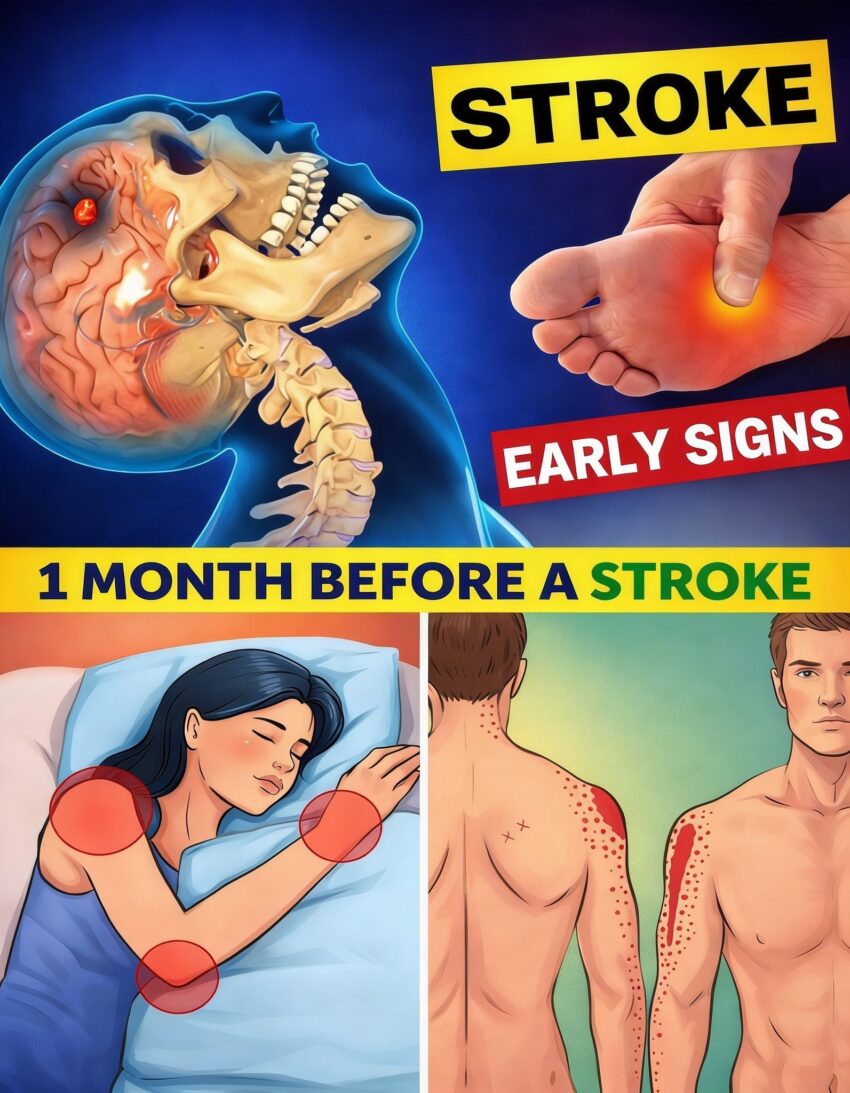
Here’s a clear and thorough guide on warning signs and prevention of stroke, written with practical tips for awareness and action. 🧠❤️
1️⃣ What is a Stroke?
A stroke occurs when blood flow to the brain is interrupted, either by a clot (ischemic stroke) or bleeding (hemorrhagic stroke). This deprives brain tissue of oxygen, causing damage.
Quick fact: Every minute counts—brain cells die rapidly during a stroke, so early recognition saves lives.
2️⃣ Common Warning Signs of Stroke
Use the FAST method for quick recognition:
F – Face:
- Sudden drooping or numbness on one side of the face
- Ask the person to smile—if one side droops, it’s a warning
A – Arms:
- Weakness or numbness in one arm
- Ask the person to raise both arms—does one drift downward?
S – Speech:
- Slurred or strange speech
- Difficulty repeating simple sentences
T – Time:
- If any signs are present, call emergency services immediately.
Other possible symptoms:
- Sudden confusion or trouble understanding
- Sudden vision changes in one or both eyes
- Sudden dizziness, loss of balance, or difficulty walking
- Severe headache with no known cause (especially in hemorrhagic stroke)
3️⃣ Major Risk Factors
- High blood pressure (hypertension)
- Diabetes
- High cholesterol
- Smoking or vaping
- Excessive alcohol consumption
- Obesity or physical inactivity
- Family history of stroke or heart disease
- Atrial fibrillation or other heart problems
4️⃣ Prevention Strategies
Lifestyle Changes:
- Control blood pressure – monitor regularly and take prescribed medications.
- Eat a heart-healthy diet – include fruits, vegetables, whole grains, and lean protein; reduce salt, sugar, and saturated fats.
- Exercise regularly – aim for at least 30 minutes a day, 5 days a week.
- Maintain a healthy weight – obesity increases stroke risk.
- Quit smoking and limit alcohol – both damage blood vessels.
Medical Management:
- Take medications as prescribed for hypertension, diabetes, or high cholesterol.
- Manage heart rhythm disorders (e.g., atrial fibrillation) with your doctor’s guidance.
- Regular checkups to monitor risk factors and overall heart health.
Emergency Preparedness:
- Know the FAST signs and act immediately.
- Educate family and friends—quick response reduces brain damage and improves recovery.
💡 Key Takeaway:
Stroke is preventable in many cases through healthy lifestyle choices, medical management, and early recognition. Immediate action at the first warning sign can save lives and reduce long-term disability.
If you want, I can create a “Stroke Prevention Daily Checklist” with practical tips and reminders for blood pressure, diet, exercise, and warning sign awareness.
Do you want me to make that checklist?
