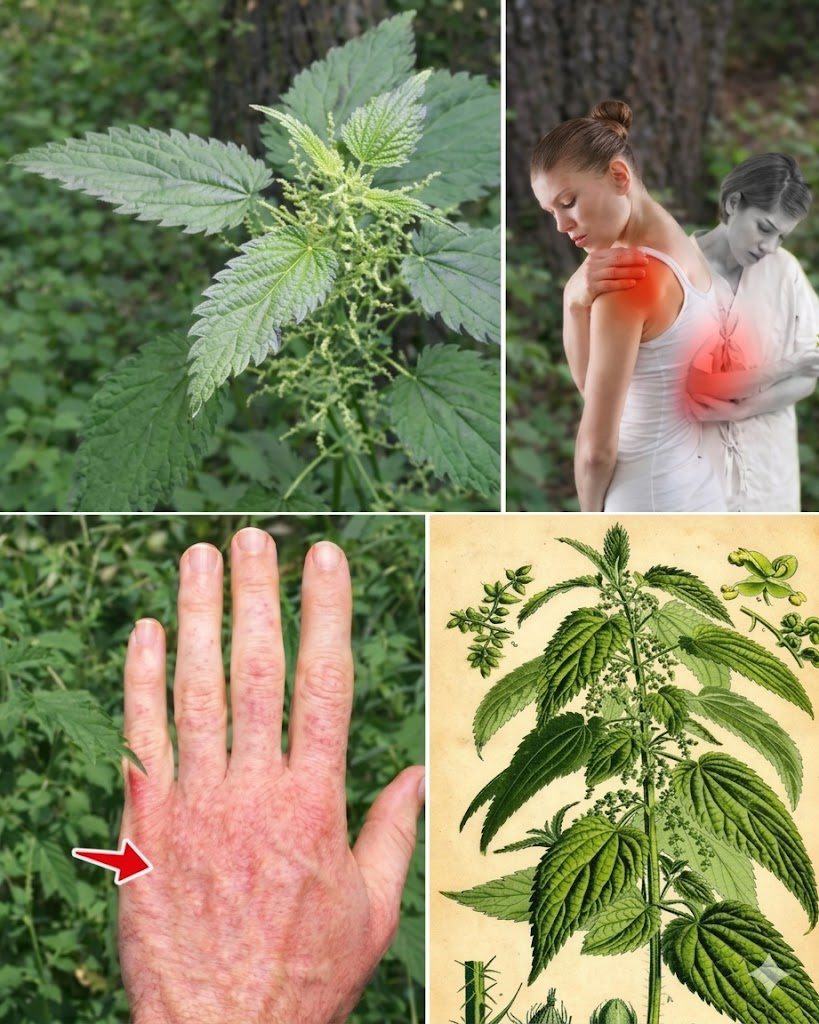
Urtica thunbergiana is a species of stinging nettle in the nettle family (Urticaceae), similar to other nettles like Urtica dioica (common stinging nettle). (Wikipedia)
🌿 What It Is
- It’s a perennial herbaceous plant native to parts of East Asia (Japan, China, Taiwan), typically found in moist forested mountain areas. (Wikipedia)
- The plant grows upright with hairy leaves covered in fine stinging hairs that can cause skin irritation (pain, redness, burning, itching) on contact. (Wikipedia)
- Chinese common names translate to things like “biting cat” or “stinging nettle” due to this irritating sting. (Wikipedia)
🌱 Physical Characteristics
- Leaves are ovate with serrated edges and the stems and leaf surfaces are covered with tiny stinging hairs that deliver a stinging sensation when touched. (Botanikks)
- Small, greenish flowers appear in clusters during the flowering season (usually summer). (Wikipedia)
🌿 Uses & Cautions
⚠️ Caution
- The stinging hairs can irritate skin, so handle with care or avoid direct contact. (Wikipedia)
Edible Uses
- Like some other nettles, the young leaves can be cooked and eaten once the stinging hairs are neutralized by heat. They are used in some Asian cuisines (e.g., soups, breads) after boiling. (Wikipedia)
- Only young leaves should be used, since older leaves may develop gritty particles that can irritate the kidneys. (Pfaf)
Traditional Uses
- In some regions, it’s used similarly to other nettles in soups, bread, or other dishes after proper preparation. (Natural Medicinal Herbs)
- Research in animals suggests extracts from the plant may have anti-inflammatory properties, such as potential benefits in skin inflammation models, but human evidence is limited. (PMC)
🌿 Interesting Facts
- The larvae of some butterflies, like Vanessa indica, feed on this nettle species, showing its role in local ecosystems. (Wikipedia)
- Like other nettles, the plant plays a role in providing habitat and food for insect species. (Wikipedia)
In Summary
Urtica thunbergiana is a stinging nettle species found in East Asia known for its irritating hairs and perennial growth. It can be edible when cooked properly, but should be handled with care due to the skin‑stinging hairs. It’s also studied for possible anti‑inflammatory effects, though human use requires caution and proper preparation. (Wikipedia)
Would you like tips on how to safely identify and harvest nettles (like this one) in the wild? (It’s important because many lookalikes can sting or be harmful.)
