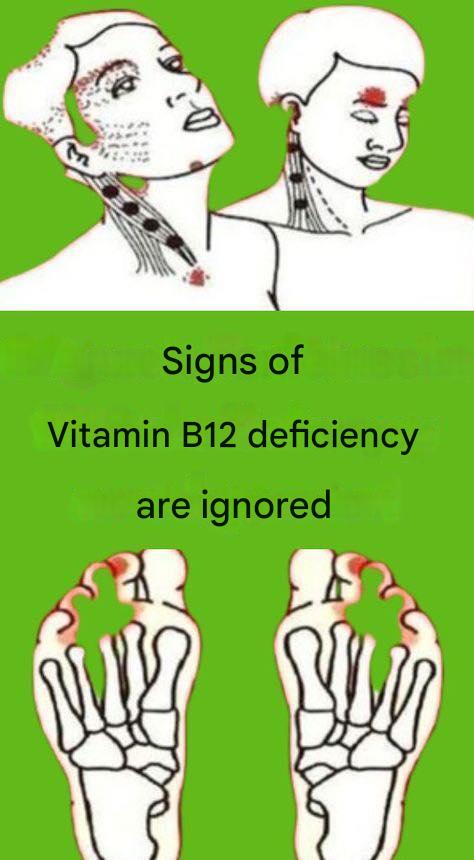
Here’s a detailed breakdown of signs of vitamin B12 deficiency and why they’re often overlooked. Vitamin B12 is crucial for red blood cell production, nerve health, and DNA synthesis, so a deficiency can have widespread effects.
Common Signs of Vitamin B12 Deficiency
1. Fatigue and Weakness
- Feeling unusually tired or lethargic even after rest.
- Caused by reduced red blood cell production, leading to less oxygen delivery.
2. Numbness or Tingling in Hands and Feet
- Known as paresthesia, often a sign of nerve damage.
- Can feel like pins and needles, burning, or prickling sensations.
3. Pale or Jaundiced Skin
- Low B12 affects red blood cell production → pale skin.
- Breakdown of defective cells can cause a yellowish tint (jaundice).
4. Cognitive Difficulties
- Memory problems, confusion, or difficulty concentrating.
- Can sometimes be mistaken for normal aging or stress.
5. Mood Changes
- Irritability, depression, or anxiety may develop.
- B12 is essential for neurotransmitter production, including serotonin.
6. Glossitis and Mouth Ulcers
- Inflamed, red, or smooth tongue.
- Mouth ulcers or burning sensations are common.
7. Shortness of Breath and Dizziness
- Low red blood cells → oxygen transport drops → breathlessness and lightheadedness.
8. Vision Problems
- Damage to the optic nerve can lead to blurred or disturbed vision.
9. Digestive Issues
- Nausea, vomiting, diarrhea, or loss of appetite.
Why These Signs Are Often Ignored
- Symptoms are gradual and non-specific.
- Easily attributed to stress, aging, or lifestyle factors.
- Mild deficiencies may not appear on routine blood tests if only measured partially.
Risk Factors
- Strict vegetarians or vegans (B12 mainly found in animal products).
- Older adults with reduced stomach acid (needed for absorption).
- People with gastrointestinal disorders like Crohn’s disease or celiac disease.
- Long-term use of certain medications (e.g., proton pump inhibitors).
Prevention & Treatment
- Dietary sources: Meat, fish, eggs, dairy, fortified cereals.
- Supplements: Oral B12 tablets or sublingual forms; injections in severe cases.
- Regular screening: Especially for at-risk individuals or those with persistent symptoms.
💡 Key Takeaway: If you notice persistent fatigue, tingling, cognitive changes, or mood shifts, consider asking your doctor about B12 testing—early detection prevents irreversible nerve damage.
I can also make a quick self-check list for B12 deficiency so you can track potential warning signs at home.
Do you want me to do that?
