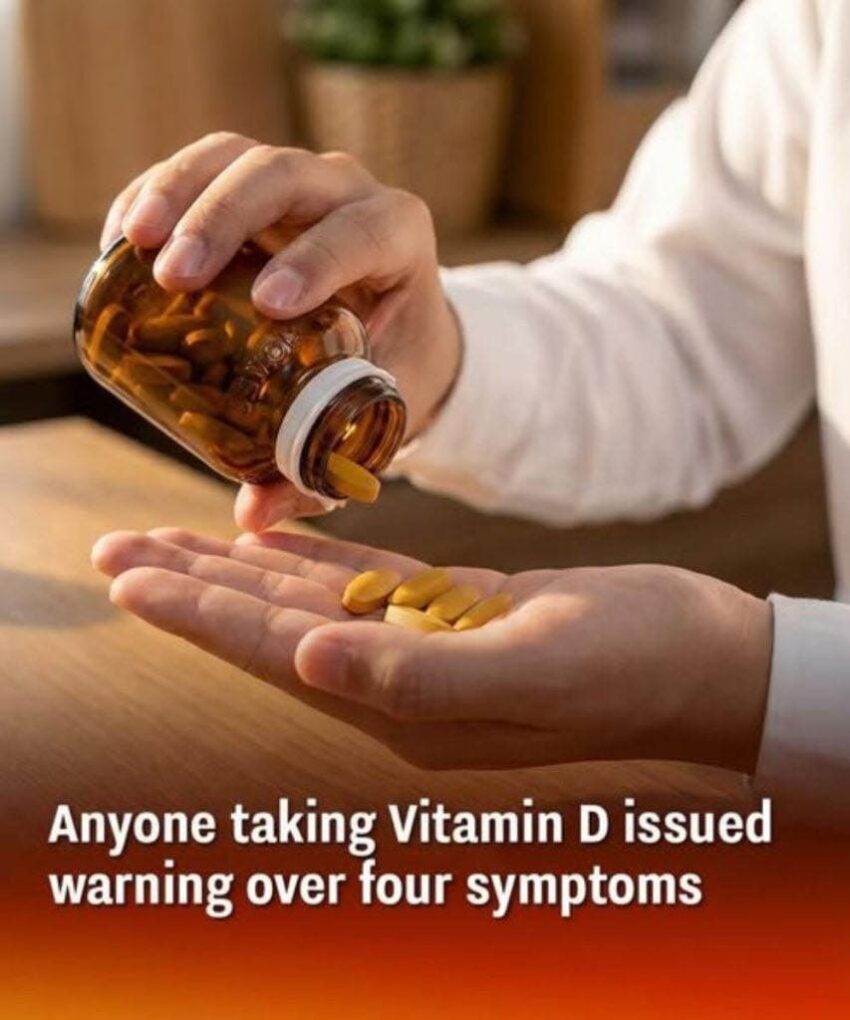
Health experts often do encourage vitamin D supplements—but not for everyone, and not blindly. Here’s the balanced, evidence-based view:
☀️ What is Vitamin D and why it matters
Vitamin D helps with:
- Calcium absorption → strong bones
- Immune function
- Muscle health
Low levels are linked to conditions like Osteoporosis and can worsen overall health.
👍 Who may benefit from supplements
Experts commonly recommend supplements if you:
- Get little sun exposure (very common)
- Have darker skin (less vitamin D production from sunlight)
- Are older
- Have conditions affecting absorption
- Are deficient (confirmed by blood test)
👉 In places with indoor lifestyles or pollution, deficiency is quite common.
⚠️ Not everyone needs them
If you:
- Get regular sunlight
- Eat vitamin D–rich foods (fatty fish, fortified milk, eggs)
…you may not need supplements.
Taking them unnecessarily or in high doses can cause problems.
🚨 Risks of too much
Excess vitamin D can lead to:
- High calcium levels
- Kidney issues
- Nausea, weakness
💊 Typical guidance
- Many adults: 600–2000 IU/day (varies)
- Deficiency: higher doses under medical supervision
🧠 Bottom line
Vitamin D supplements can be very helpful if you’re low, but they’re not something everyone should take automatically.
If you want, I can help you figure out:
- Whether you personally might need it
- A safe dosage based on your lifestyle 👍
