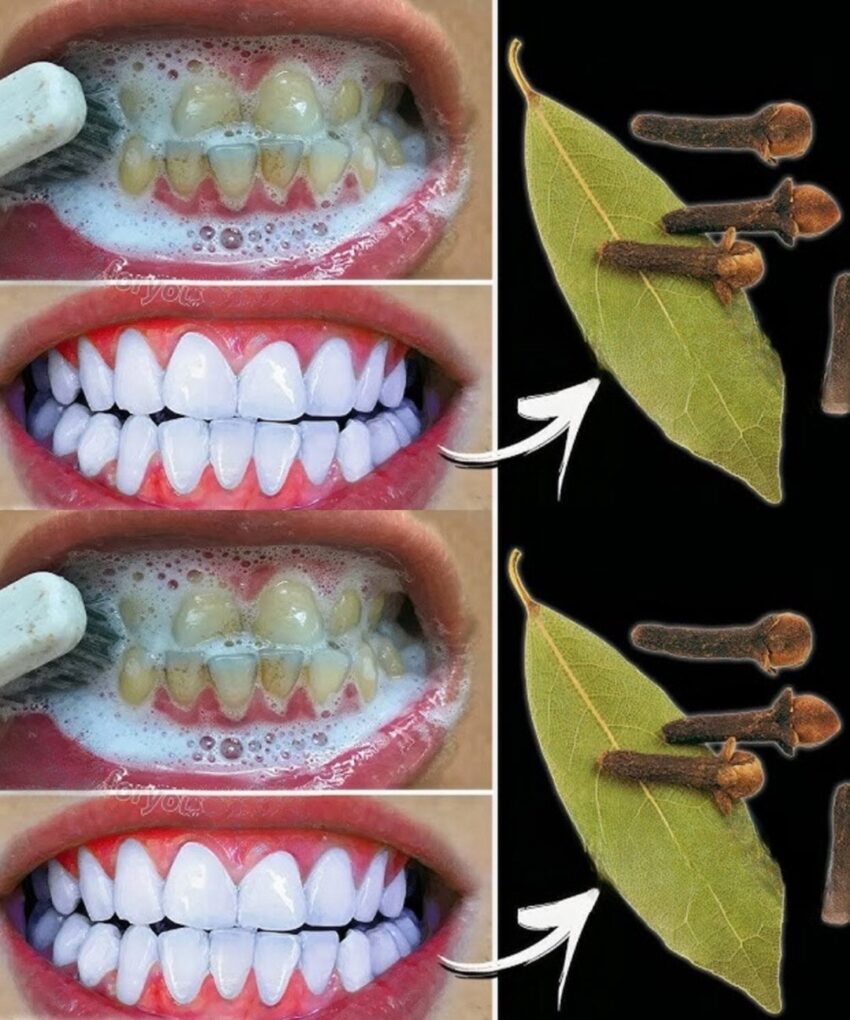
Using sage leaves for teeth whitening is a popular natural home remedy, but it’s important to know what it can and cannot do.
🌿 How sage may help
- Mild abrasive action
- Rubbing sage leaves or powdered sage on teeth can remove surface stains, like coffee or tea discoloration.
- Antibacterial properties
- Sage contains compounds that can fight oral bacteria, which may help with gum health and reduce bad breath.
- Anti-inflammatory effect
- Can help soothe minor gum irritation.
⚠️ Limitations
- Does not whiten deep stains – Sage only affects surface discoloration.
- Not a substitute for fluoride toothpaste – Regular dental care is essential.
- Overuse can be abrasive – Rubbing too hard or too often can damage enamel.
🧴 How to use sage safely
- Wash fresh sage leaves thoroughly.
- Rub the leaves gently on your teeth for 1–2 minutes.
- Rinse your mouth thoroughly afterward.
- Repeat 1–2 times per week for mild brightening.
Alternative: Crush dried sage into a fine powder and mix with a little water for a paste.
✅ Professional teeth care tips
- Brush twice daily with fluoride toothpaste
- Floss regularly to remove plaque
- Limit stain-causing foods/drinks (coffee, tea, red wine)
- See a dentist for professional whitening if desired
🧠 Bottom line
Sage leaves can help remove surface stains and promote oral hygiene, but they cannot replace proper dental care or professional whitening. Use gently and occasionally for safe results.
I can also make a simple 5-step natural teeth-brightening routine combining sage and other safe remedies for noticeable whitening over time.
