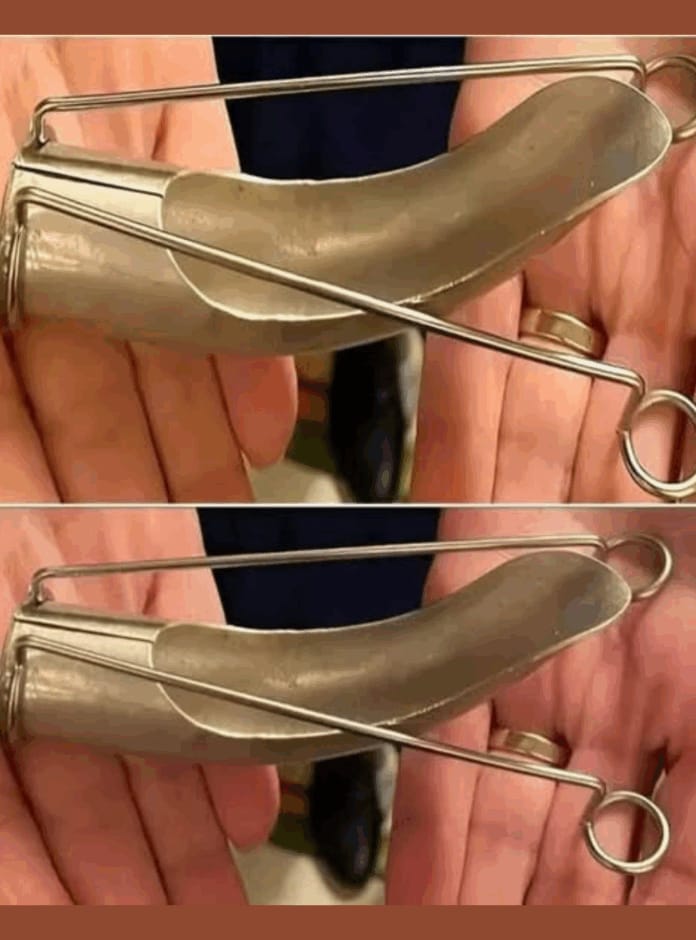
A vintage vaginal speculum is a specialized medical instrument designed primarily for gynecological examination, and understanding its purpose requires looking at both medical function and historical context. Here’s a detailed breakdown:
1. Primary Medical Purpose
The fundamental role of a vaginal speculum—vintage or modern—is to allow safe access to and visualization of the vaginal canal and cervix. This enables healthcare providers to:
- Inspect the vaginal walls and cervix for abnormalities, lesions, infections, or signs of disease.
- Collect samples, such as for a Pap smear, to test for cervical cancer or other infections.
- Perform minor gynecological procedures, including insertion of intrauterine devices (IUDs), biopsies, or treatment of minor lesions.
2. Design Features of Vintage Specula
Vintage models, often from the 19th and early 20th centuries, differ from modern versions in material and ergonomics:
- Material: Typically metal (brass, stainless steel, or nickel-plated). Designed to be sterilized and reused, unlike disposable plastic specula today.
- Blade Mechanism: Two hinged blades that could be opened and locked with a screw mechanism. Some designs included thumb screws or lever adjustments to control width precisely.
- Size and Shape Variations: Multiple sizes existed to accommodate anatomical differences. Some vintage models had more rigid or less anatomically contoured designs, making them less comfortable than modern ones.
- Lack of Illumination: Earlier specula relied solely on external light sources, whereas modern specula often incorporate built-in lighting.
3. Historical and Practical Context
- Medical Advancement: Vintage specula represent early attempts to improve women’s healthcare and gynecological diagnostics. Before their widespread use, direct visualization of the cervix was much more limited.
- Collector and Educational Interest: Today, vintage specula are largely historical artifacts, used for medical history study or as collectibles, demonstrating how gynecological tools have evolved.
- Patient Experience: Older specula were often less comfortable and more intimidating than modern, ergonomically designed instruments.
In summary:
A vintage vaginal speculum’s purpose was—and still is in principle—to hold the vaginal walls apart to examine the vagina and cervix, perform diagnostic tests, and assist in gynecological procedures. Its vintage design reflects both the medical practices and technological limitations of its time, making it an object of both functional and historical significance.
If you want, I can also explain the differences between vintage and modern specula in terms of safety, comfort, and hygiene, which is quite interesting. Do you want me to go into that?
