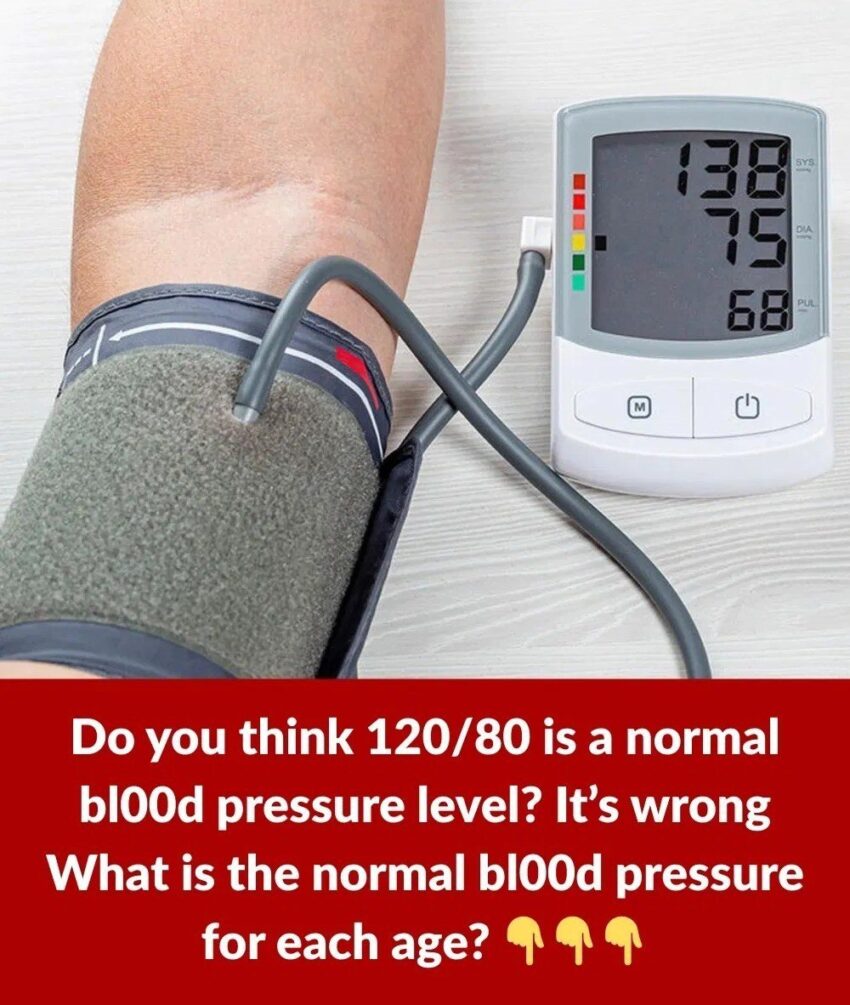
A blood pressure reading measures the force of blood against the walls of your arteries as your heart pumps. It’s expressed as two numbers in millimeters of mercury (mmHg), like 120/80 mmHg. Here’s a detailed breakdown:
1. Understanding the Numbers
A blood pressure reading has two components:
- Systolic Pressure (Top Number)
- Measures the pressure in your arteries when your heart beats (contracts).
- Example: In 120/80 mmHg, 120 is the systolic pressure.
- Diastolic Pressure (Bottom Number)
- Measures the pressure in your arteries when your heart rests between beats.
- Example: In 120/80 mmHg, 80 is the diastolic pressure.
2. Blood Pressure Categories (Adults)
| Category | Systolic (mmHg) | Diastolic (mmHg) |
|---|---|---|
| Normal | <120 | <80 |
| Elevated | 120–129 | <80 |
| Hypertension Stage 1 | 130–139 | 80–89 |
| Hypertension Stage 2 | ≥140 | ≥90 |
| Hypertensive Crisis | >180 | >120 |
Note: Consistently high readings should be evaluated by a healthcare professional.
3. How Blood Pressure is Measured
- Manual method: Using a sphygmomanometer (cuff, gauge, and stethoscope).
- Digital method: Automatic cuffs that display readings on a screen.
- Proper technique:
- Sit quietly for 5 minutes before measurement.
- Keep your arm at heart level.
- Avoid caffeine, exercise, or smoking 30 minutes prior.
4. Factors Affecting Blood Pressure
- Age: Tends to rise naturally with age.
- Diet & salt intake
- Physical activity
- Stress and emotions
- Medications or medical conditions
✅ Summary:
A blood pressure reading tells you how hard your heart is working and how healthy your arteries are. Normal ranges vary by age and health, but consistently high or low readings require medical attention to prevent heart, kidney, or brain complications.
If you want, I can make a simple guide for checking and tracking blood pressure at home, including tips for people over 50. Do you want me to do that?
