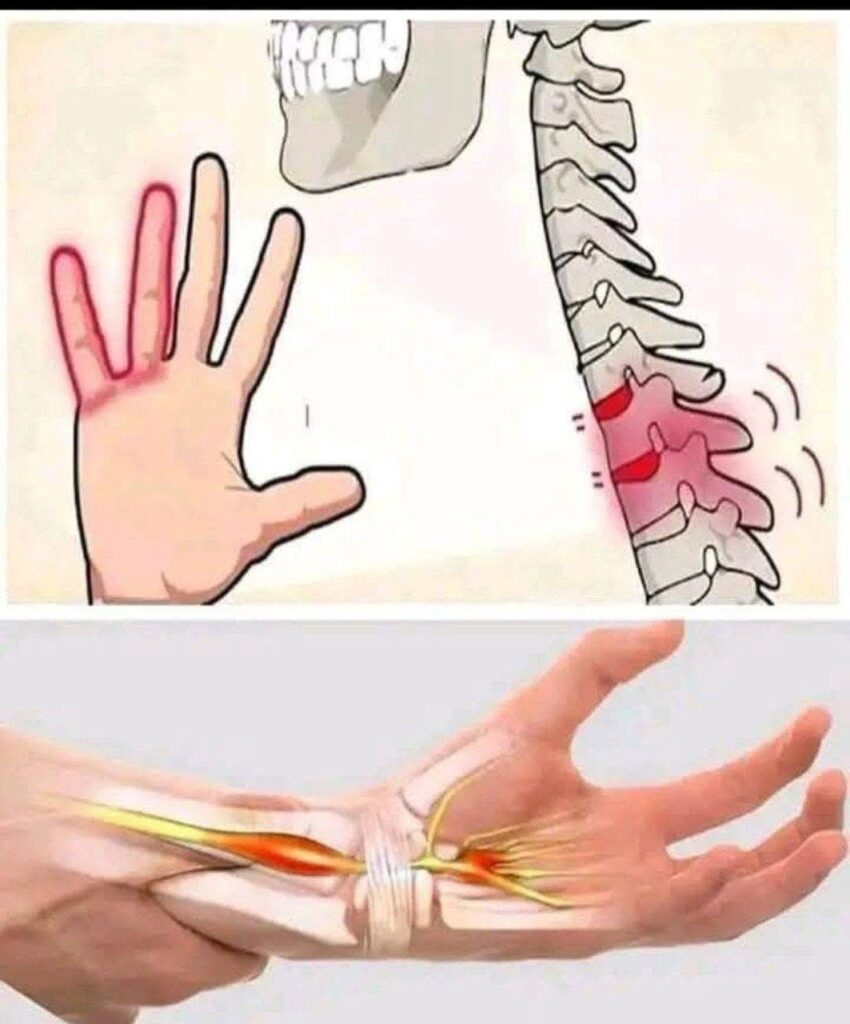
Carpal Tunnel Syndrome (CTS) is a condition that affects the hand and wrist due to pressure on the median nerve. Here’s a detailed overview:
1. What Is Carpal Tunnel Syndrome?
- The carpal tunnel is a narrow passage in your wrist, made of bones and ligaments.
- The median nerve, which controls sensation and some muscle movements in your hand, passes through this tunnel.
- CTS occurs when this nerve is compressed, causing pain, numbness, and weakness.
2. Common Causes
- Repetitive hand movements: Typing, using a mouse, or assembly-line work.
- Medical conditions: Diabetes, hypothyroidism, arthritis, or pregnancy (fluid retention).
- Wrist injuries: Fractures or sprains can reduce space in the carpal tunnel.
- Genetics: Some people naturally have smaller carpal tunnels.
3. Symptoms
- Numbness or tingling in the thumb, index, middle, and part of the ring finger
- Hand pain, especially at night or early morning
- Weak grip or difficulty holding objects
- Swelling or a “pins and needles” sensation
4. Diagnosis
- Physical examination: Checking wrist alignment, grip strength, and sensation.
- Tests:
- Tinel’s sign: Tapping over the median nerve causes tingling.
- Phalen’s maneuver: Flexing wrists triggers symptoms.
- Electrodiagnostic studies: Measure nerve conduction and confirm compression.
5. Treatment Options
Non-surgical:
- Wrist splints (especially at night) to keep the wrist neutral
- Activity modification to reduce repetitive strain
- Anti-inflammatory medications or corticosteroid injections
Surgical:
- Carpal tunnel release: Cutting the ligament to relieve pressure on the median nerve
- Recommended if symptoms are severe or don’t respond to conservative measures
6. Prevention Tips
- Maintain a neutral wrist position while typing or using tools
- Take regular breaks from repetitive activities
- Strengthen and stretch hand and forearm muscles
- Avoid prolonged pressure on the wrist
💡 Key Point: Early recognition and treatment are crucial. Ignoring symptoms can lead to permanent nerve damage and hand weakness.
If you want, I can make a step-by-step home routine with stretches and exercises that help relieve carpal tunnel symptoms and prevent progression—it’s very effective for mild cases.
Do you want me to do that?
