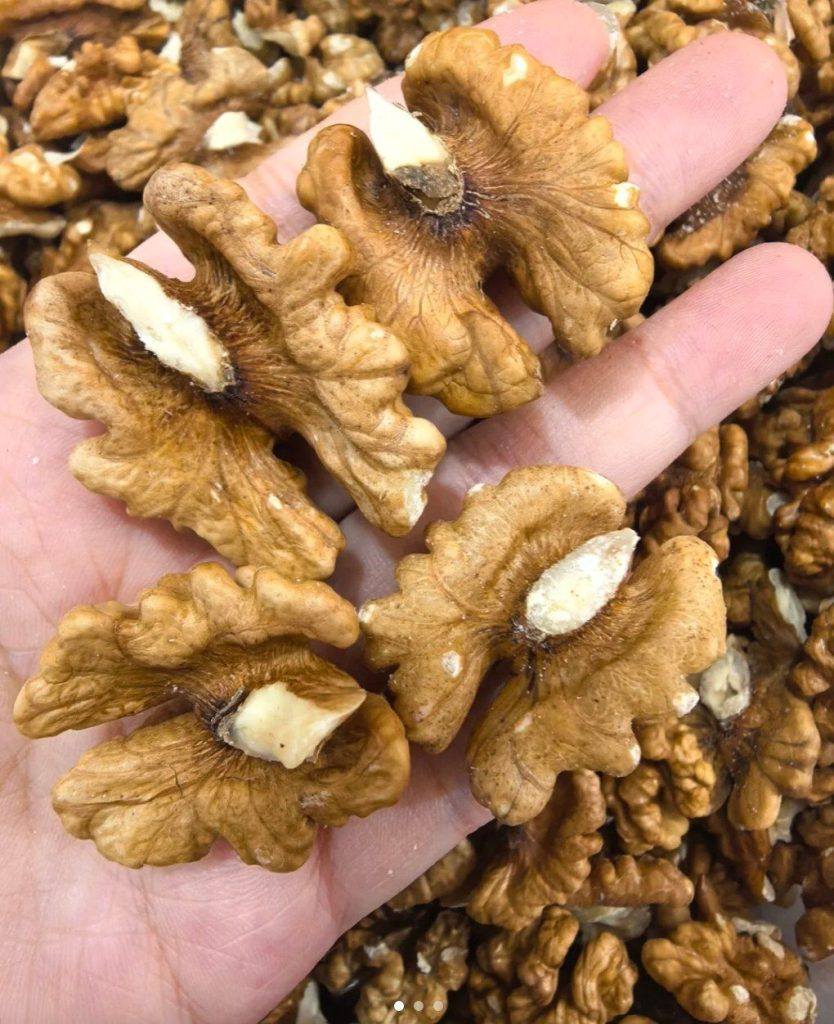
Here’s what doctors and nutrition experts say about what happens when you eat walnuts — including real benefits and situations where they may not be ideal: (Healthline)
🌰 What Eating Walnuts Can Do for Your Health
Walnuts are packed with nutrients that can meaningfully affect your body when eaten regularly — but the effects aren’t magical cures:
✅ 1. Heart Health & Cholesterol
- Walnuts are rich in omega‑3 fatty acids (ALA) and polyunsaturated fats, which help lower “bad” LDL cholesterol and may modestly improve heart risk markers. (Healthline)
- Studies show walnut‑rich diets can support artery health and reduce risk factors for heart disease when included as part of a balanced eating pattern. (Harvard Health)
✅ 2. Anti‑Inflammatory Effects
- Antioxidants and polyphenols in walnuts help reduce oxidative stress and inflammation — a factor in many chronic illnesses. (Healthline)
✅ 3. Brain & Gut Benefits
- Nutrients in walnuts may support brain health, cognition, and mood, and have been linked in some studies to improvements in memory and brain function. (Healthline)
- Walnuts also provide fiber that can help nurture healthy gut bacteria. (Healthline)
✅ 4. Blood Sugar & Weight Control
- While nuts are calorie‑dense, eating walnuts in moderation may help regulate appetite and contribute to better blood sugar balance. (Healthline)
⚠️ Possible Downsides or Things to Watch For
Walnuts are healthy for most people, but there are a few situations where doctors caution extra care:
❗ 1. Allergies
- People with nut allergies can have reactions ranging from mild itching and rash to severe anaphylaxis (life‑threatening). If you’re allergic to tree nuts, avoid walnuts entirely. (WebMD)
❗ 2. High Calorie Load
- Walnuts are high in calories and healthy fats. Eating large amounts regularly without adjusting total food intake can lead to excess calorie consumption and potential weight gain. (WebMD)
❗ 3. Interaction with Thyroid Medications
- Some compounds in walnuts — especially walnut oil — could potentially interact with thyroid drugs, so people on medication should check with a doctor. (WebMD)
❗ 4. Choking Risk for Young Children
- Whole nuts are a choking hazard for small children, so they should be avoided in that form for toddlers. (Verywell Health)
🩺 Doctors’ Bottom Line
- Eating walnuts — a small handful (about 1 ounce or ~12–14 halves) — daily as part of a balanced diet is associated with heart, brain, and metabolic benefits and may help lower cholesterol and inflammation. (Healthline)
- They are not a cure‑all, and benefits come most when walnuts replace less‑healthy foods (like processed snacks) and are part of an overall healthy lifestyle. (Harvard Health)
🥗 How to Consume Walnuts for Best Results
✔ Eat them raw or dry‑roasted (unsalted) to avoid extra sodium or unhealthy additives. (WebMD)
✔ Add to salads, oatmeal, yogurt, or smoothies. (WebMD)
✔ Pair with other nutrient‑dense foods (fruits, vegetables, whole grains).
If you want, I can give a safe daily walnut intake guide that shows how many walnuts are ideal for different goals like heart health, weight loss, or brain function. Would you like that?
