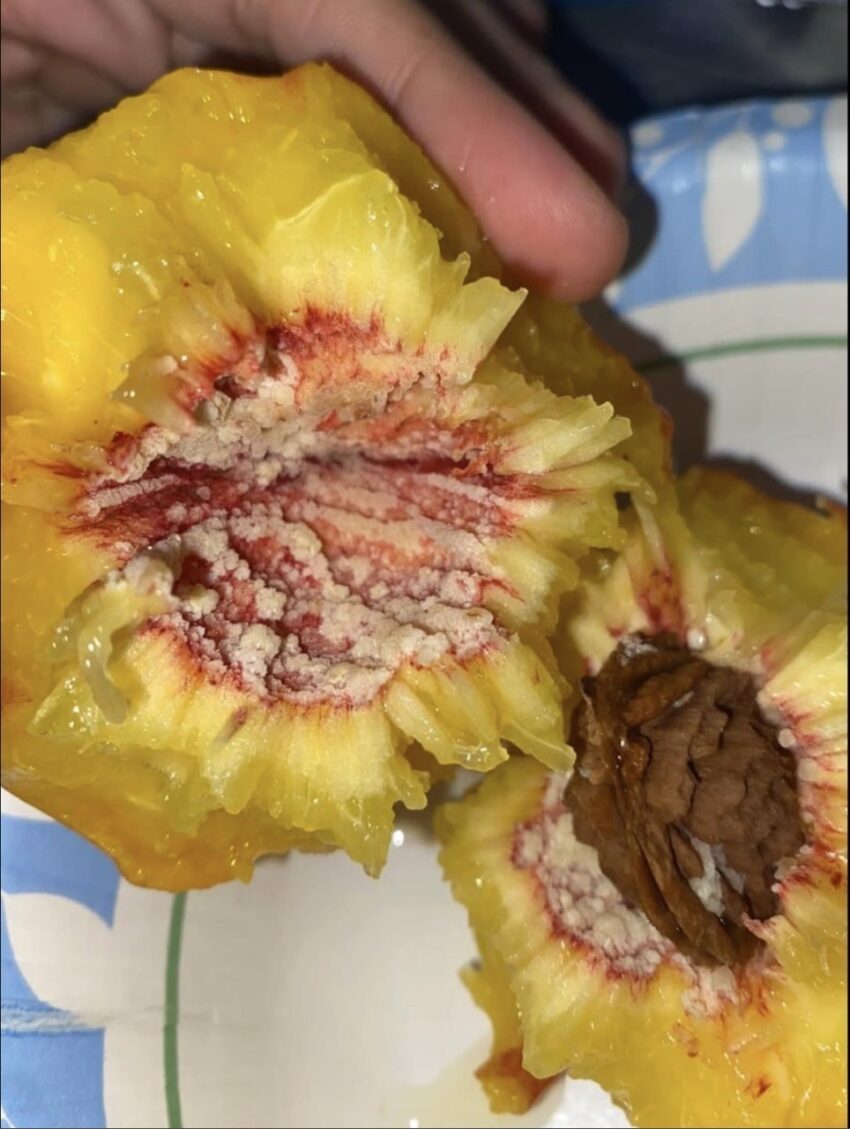
Artocarpus lacucha is a tropical fruit-bearing tree in the fig/mulberry family (Moraceae), native to South and Southeast Asia, including India, Bangladesh, and Thailand.
Common names
- Monkey jack
- Lakoocha / Lakuch
- Dahu (in some regions)
What it looks like
- Medium to large evergreen tree
- Produces round to oval yellow-brown fruits
- Fruit has a sour, tangy taste and sticky pulp
Traditional uses
In traditional medicine systems (Ayurveda and folk medicine), different parts are used:
- Fruit & bark: digestive aid
- Bark extract: sometimes used for skin conditions and inflammation
- Wood: valued for timber and dyeing
Nutritional / bioactive compounds
It contains:
- Flavonoids (antioxidants)
- Phenolic compounds
- Natural acids (giving sour taste)
These compounds are studied for possible:
- Anti-inflammatory effects
- Antioxidant activity
- Antimicrobial properties
Important reality check
- It is not a proven treatment for major diseases like diabetes, kidney disease, or cancer
- Most health claims are based on traditional use or early lab studies, not strong clinical trials in humans
Food use
In some regions, the fruit is:
- Eaten fresh (sour and tangy)
- Used in chutneys, pickles, or curries
If you want, I can also tell you:
- Whether it’s safe for diabetics or kidney patients
- Or how it compares to other medicinal fruits like jamun or amla
Artocarpus lacucha is a tropical fruit-bearing tree in the fig/mulberry family (Moraceae), native to South and Southeast Asia, including India, Bangladesh, and Thailand.
Common names
- Monkey jack
- Lakoocha / Lakuch
- Dahu (in some regions)
What it looks like
- Medium to large evergreen tree
- Produces round to oval yellow-brown fruits
- Fruit has a sour, tangy taste and sticky pulp
Traditional uses
In traditional medicine systems (Ayurveda and folk medicine), different parts are used:
- Fruit & bark: digestive aid
- Bark extract: sometimes used for skin conditions and inflammation
- Wood: valued for timber and dyeing
Nutritional / bioactive compounds
It contains:
- Flavonoids (antioxidants)
- Phenolic compounds
- Natural acids (giving sour taste)
These compounds are studied for possible:
- Anti-inflammatory effects
- Antioxidant activity
- Antimicrobial properties
Important reality check
- It is not a proven treatment for major diseases like diabetes, kidney disease, or cancer
- Most health claims are based on traditional use or early lab studies, not strong clinical trials in humans
Food use
In some regions, the fruit is:
- Eaten fresh (sour and tangy)
- Used in chutneys, pickles, or curries
If you want, I can also tell you:
- Whether it’s safe for diabetics or kidney patients
- Or how it compares to other medicinal fruits like jamun or amla
