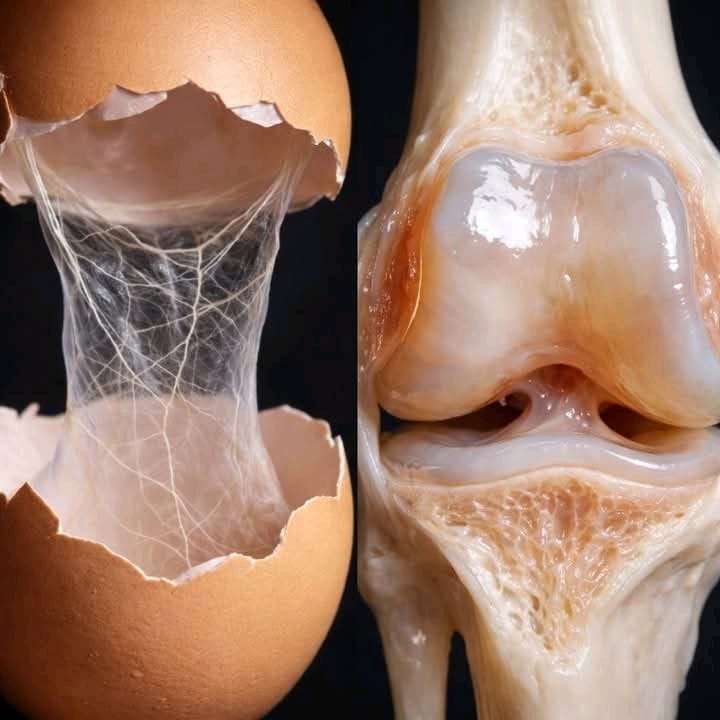
The Human knee joint is the largest and one of the most complex joints in the body. It connects your thigh to your lower leg and allows you to walk, run, sit, and jump.
🔹 Main bones involved
The knee joint is formed by three bones:
- Femur (thigh bone)
- Tibia (main lower leg bone)
- Patella (protects the front of the joint)
🔹 Key components
1. Ligaments (stability)
These hold the knee together:
- Anterior cruciate ligament – prevents forward sliding
- Posterior cruciate ligament – prevents backward sliding
- Medial collateral ligament – inner knee stability
- Lateral collateral ligament – outer knee stability
2. Cartilage (shock absorption)
- Meniscus (medial & lateral) act like cushions between bones
- Articular cartilage reduces friction during movement
3. Muscles and tendons (movement)
- Quadriceps (front thigh) straighten the leg
- Hamstrings (back thigh) bend the knee
- Tendons connect muscles to bones
🔹 Types of movement
The knee is a hinge joint, mainly allowing:
- Bending (flexion)
- Straightening (extension)
- Slight rotation when bent
🔹 Common problems
- Ligament injuries (like ACL tears)
- Cartilage damage
- Arthritis (wear and tear over time)
🔹 Simple way to think of it
The knee is like a hinge with cushions and strong ropes—it needs alignment, strength, and care to work smoothly.
If you want, I can show you a labeled diagram or explain common knee injuries and how to prevent them.
