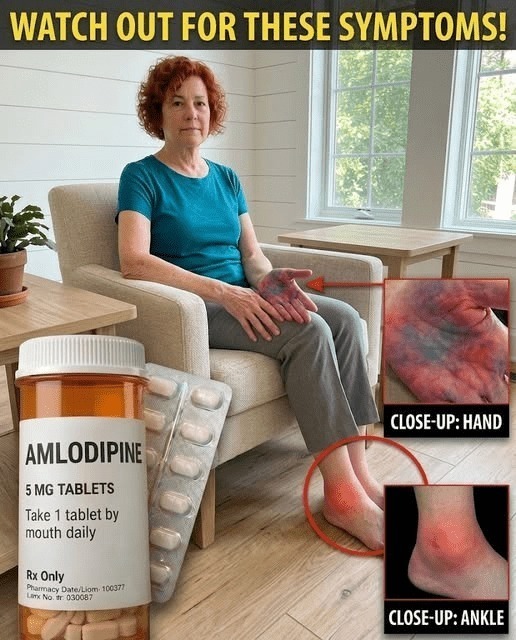
That headline is designed to sound alarming, but it’s referring to a very commonly used heart medication, not something secretly dangerous.
The medicine is Metoprolol, a beta-blocker prescribed for conditions like high blood pressure, chest pain (angina), heart rhythm problems, and after heart attacks.
It is generally well-studied and widely used in older adults, but like all medicines, it can cause side effects—especially in seniors.
🫀 Common side effects (often mild)
Many people may notice:
- tiredness or low energy
- dizziness (especially when standing up)
- slow heart rate
- cold hands and feet
- mild shortness of breath in some cases
⚠️ Side effects seniors may notice more
Older adults are more sensitive, so effects can feel stronger:
1. Fatigue and weakness
- Very common because heart rate is slowed
2. Low blood pressure (Hypotension)
- Can cause lightheadedness or fainting
3. Slow pulse (bradycardia)
- Heart rate may become too low in some patients
4. Balance issues / falls
- From dizziness or blood pressure drops
5. Sleep changes
- Vivid dreams or difficulty sleeping in some people
6. Mood changes (less common)
- Mild depression or reduced alertness in some cases
🧠 Important reality check
- These are known, monitored side effects, not “hidden dangers”
- Doctors often choose metoprolol because the benefits (protecting the heart) are much greater than the risks for many patients
- Dose adjustments can reduce side effects significantly
🚨 When to contact a doctor
Seek medical advice if there is:
- severe dizziness or fainting
- very slow pulse
- extreme fatigue interfering with daily life
- breathing difficulty that is new or worsening
🧾 Bottom line
Metoprolol is a standard heart medication. In seniors, the main issue is stronger sensitivity to its normal effects, not hidden or unknown dangers.
If you want, I can explain:
- how to safely manage metoprolol side effects
- or how it compares to other blood pressure medicines
