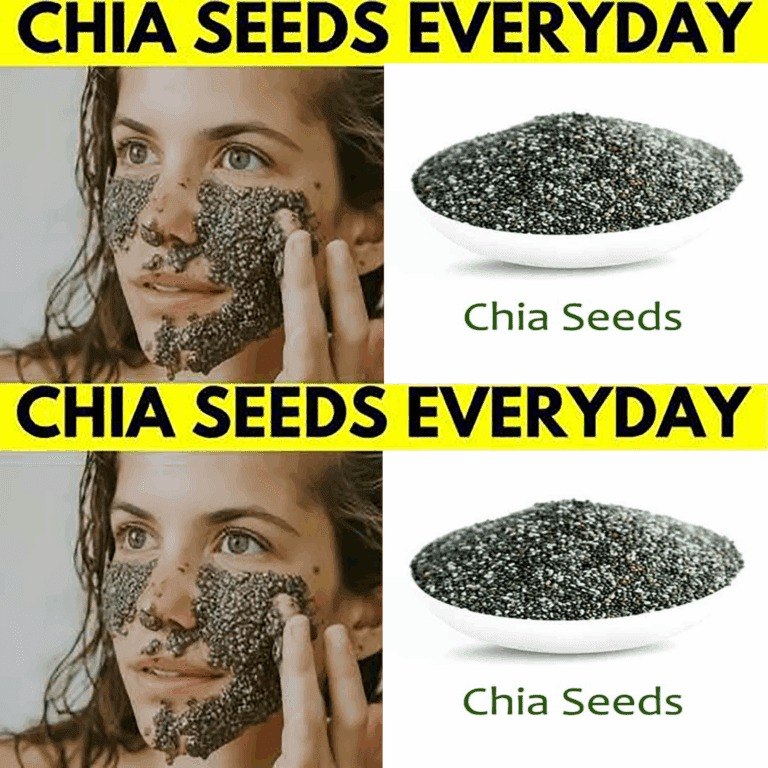
That claim is a bit exaggerated. Chia seeds are nutritious in food, but using them as a “best face mask” is mostly a DIY beauty trend—not a proven skincare treatment.
Chia seeds come from the plant Salvia hispanica.
🌱 What chia seeds can actually do for skin (in theory)
When soaked in water, chia seeds form a gel rich in:
- omega-3 fatty acids
- antioxidants
- natural mucilage (gel-like fiber)
This gel may:
- temporarily hydrate and soften skin
- feel soothing on dry skin
- give a cooling effect like a basic natural mask
🧴 But here’s the reality
There is no strong scientific evidence that chia seed face masks:
- treat acne
- remove wrinkles
- “detox” skin
- replace proper skincare products
Most benefits are temporary surface hydration, not real skin repair.
⚠️ Possible downsides
- Can cause irritation in sensitive skin
- May clog pores in acne-prone skin
- Risk of bacteria if homemade masks are stored too long
- Messy and difficult to wash off
🧠 Better alternatives (proven skincare)
For real skin benefits, dermatologists recommend:
- gentle cleanser
- moisturizer
- sunscreen (most important)
- retinoids or vitamin C (for anti-aging, under guidance)
🍃 Bottom line
Salvia hispanica gel can be a mild, soothing DIY mask, but it is not a “best” or medically proven skincare treatment—just a temporary home remedy.
If you want, I can share safe DIY face masks that actually suit oily, dry, or acne-prone skin types.
