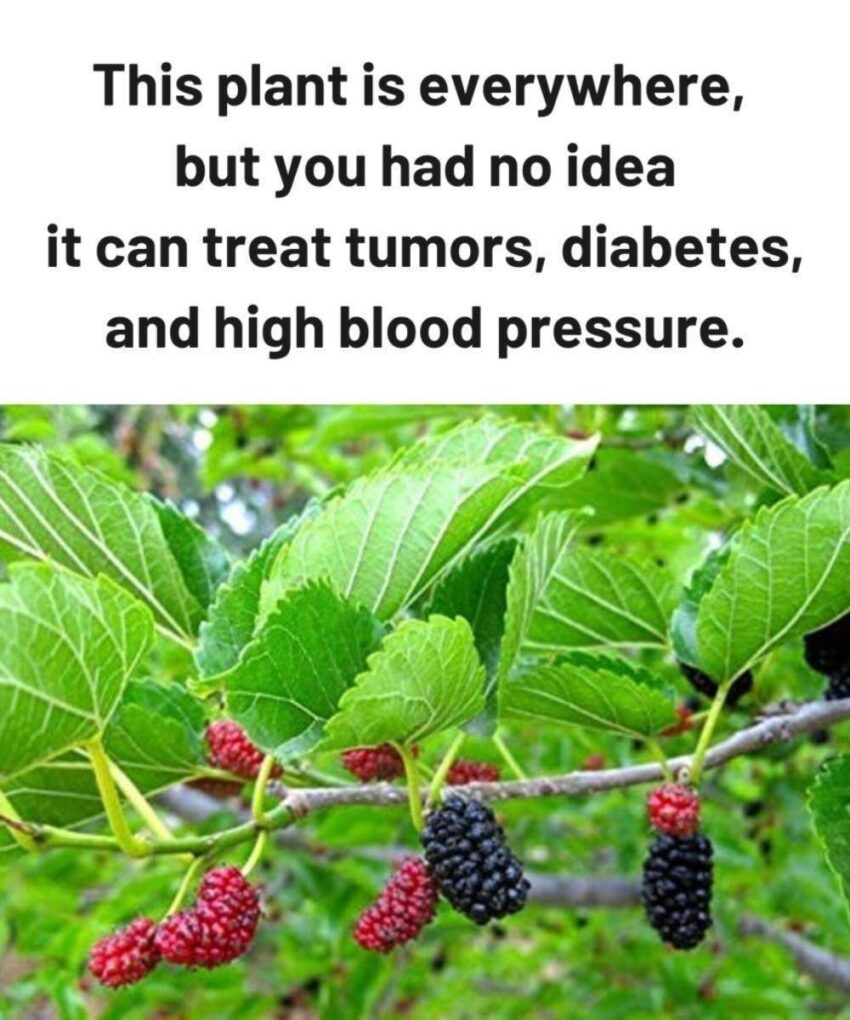
Black mulberry is a sweet, dark purple fruit that grows on mulberry trees. It’s juicy, slightly tart, and commonly eaten fresh or dried.
🍇 What it is like
- Taste: sweet with a mild tang
- Texture: soft and juicy (similar to blackberry)
- Color: deep purple to almost black when ripe
🧠 Nutrition benefits (real, not exaggerated)
Black mulberries contain:
- 🍓 Antioxidants (help protect cells from damage)
- 🍊 Vitamin C (supports immune system and skin health)
- 🩸 Iron (supports blood health)
- 🌿 Fiber (helps digestion)
❤️ Possible health benefits
Research suggests they may help support:
- Blood sugar balance (mild effect)
- Heart health due to antioxidants
- Digestive health because of fiber
But they are not a treatment or cure for diseases.
🍽️ How people eat them
- Fresh as a snack
- Dried like raisins
- In jams, juices, or desserts
- Added to yogurt or cereal
⚠️ Things to know
- Can stain hands and clothes easily
- Unripe berries may taste bland or slightly sour
- Some people may have mild allergy sensitivity
🧠 Bottom line
Black mulberries are a nutritious, antioxidant-rich fruit that can support general health, but they are best seen as part of a balanced diet—not a medicinal cure.
If you want, I can tell you:
- how black mulberry compares to blueberries
- or its benefits for blood sugar and skin health 👍
