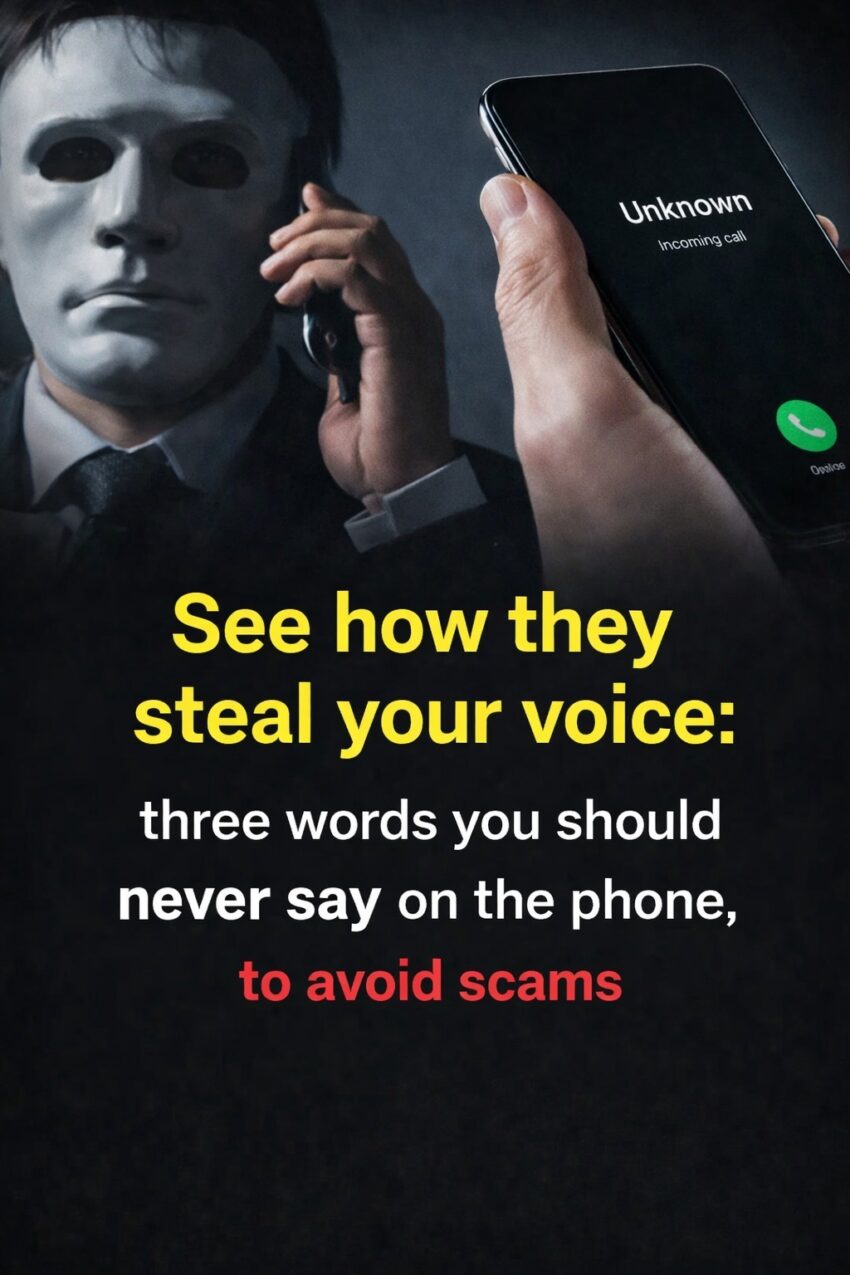
This is another fear-based clickbait claim that gets shared a lot, and it’s misleading.
There are no specific “three magic words” you say on a phone call that automatically let scammers steal your voice or identity.
What’s actually true
Scammers today can use technology like voice cloning, but it doesn’t work from a single word or phrase you casually say.
To clone a voice convincingly, they usually need:
- Several seconds to minutes of clear audio
- A consistent recording of your voice (often from social media, voicemails, videos, etc.)
So the real risk is not saying a certain word, but having your voice widely available online or in recordings.
Why this claim spreads
Posts like “never say these 3 words” are designed to:
- Grab attention with fear
- Get shares on social media
- Sometimes push scams or ads themselves
There is no verified cybersecurity guidance from reputable sources that warns about specific “trigger words.”
What actually protects you from phone scams
More useful habits are:
- Don’t confirm personal info (like ID numbers or bank details) on unsolicited calls
- Hang up and call back using official numbers
- Be cautious of urgent pressure (“act now or your account closes”)
- Use call blocking / spam filters
- Don’t say “yes” to unknown callers if you’re unsure who they are (some scams record responses)
Bottom line
There are no dangerous “three words” you should never say. The real risk is not vocabulary—it’s sharing personal information or giving scammers enough voice/audio data to misuse later.
If you want, I can explain how modern voice-cloning scams actually work and how common they really are.
