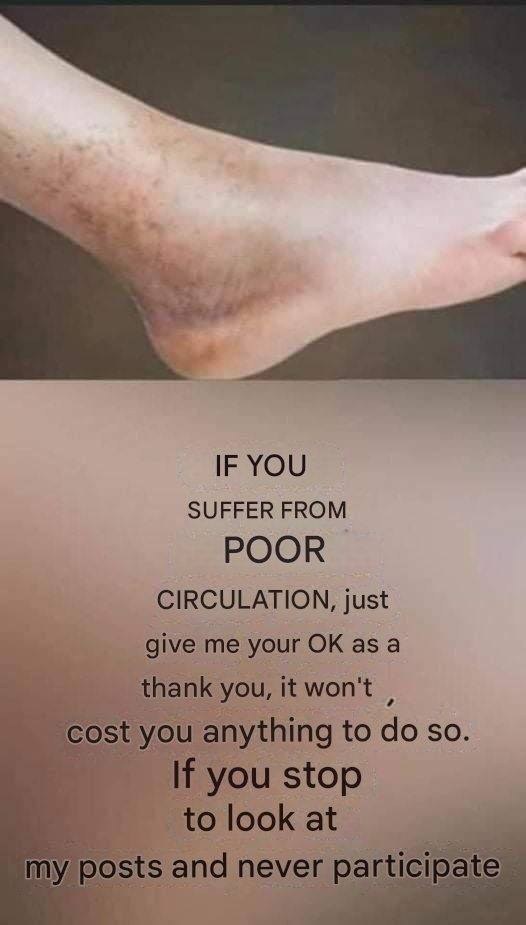
Poor circulation in the legs can be uncomfortable and, if persistent, can lead to serious health problems. The solution depends on the underlying cause—ranging from lifestyle factors to medical conditions like peripheral artery disease (PAD) or diabetes—but there are several general strategies to improve blood flow safely.
Lifestyle Solutions
- Exercise Regularly
- Walking, cycling, swimming, and leg stretches improve blood flow and strengthen calf muscles, which act as pumps for circulation.
- Even 20–30 minutes of brisk walking daily can help.
- Elevate Your Legs
- When resting, elevate legs above heart level for 15–20 minutes to reduce swelling and improve venous return.
- Wear Compression Stockings
- Helps push blood back toward the heart, reducing swelling and preventing blood pooling.
- Stay Hydrated
- Dehydration can thicken blood and reduce circulation. Drink plenty of water daily.
- Maintain a Healthy Weight
- Excess weight increases pressure on veins, which can impair circulation.
Dietary Tips
- Eat Circulation-Friendly Foods
- Garlic, ginger, turmeric, cayenne pepper, berries, citrus, and leafy greens may support vascular health.
- Omega-3 rich foods like salmon, flax seeds, and walnuts help reduce inflammation and improve blood flow.
- Limit Salt and Processed Foods
- Excess sodium can cause fluid retention, increasing pressure in veins.
Habits to Avoid
- Sitting or standing for long periods without moving.
- Crossing legs while sitting for extended periods.
- Smoking, which damages blood vessels and reduces circulation.
Medical Solutions
- Medications: For PAD or chronic venous insufficiency, doctors may prescribe blood thinners, vasodilators, or medications that improve circulation.
- Procedures: In severe cases, angioplasty, stent placement, or bypass surgery may be necessary.
- Regular Checkups: Especially for people with diabetes, high blood pressure, or high cholesterol.
Quick At-Home Circulation Boosters
- Ankle pumps: flex and point your toes 10–15 times every hour.
- Calf raises: stand on tiptoe and lower slowly for 10–15 repetitions.
- Foot massages or alternating warm/cold foot baths.
✅ Summary: Improving leg circulation is usually a mix of movement, dietary support, proper footwear, and sometimes medical care. Early attention prevents complications like swelling, varicose veins, or blood clots.
If you want, I can create a daily routine specifically designed to boost leg circulation at home, including exercises, diet, and simple remedies. This usually gives faster results than random tips.
Do you want me to make that?
