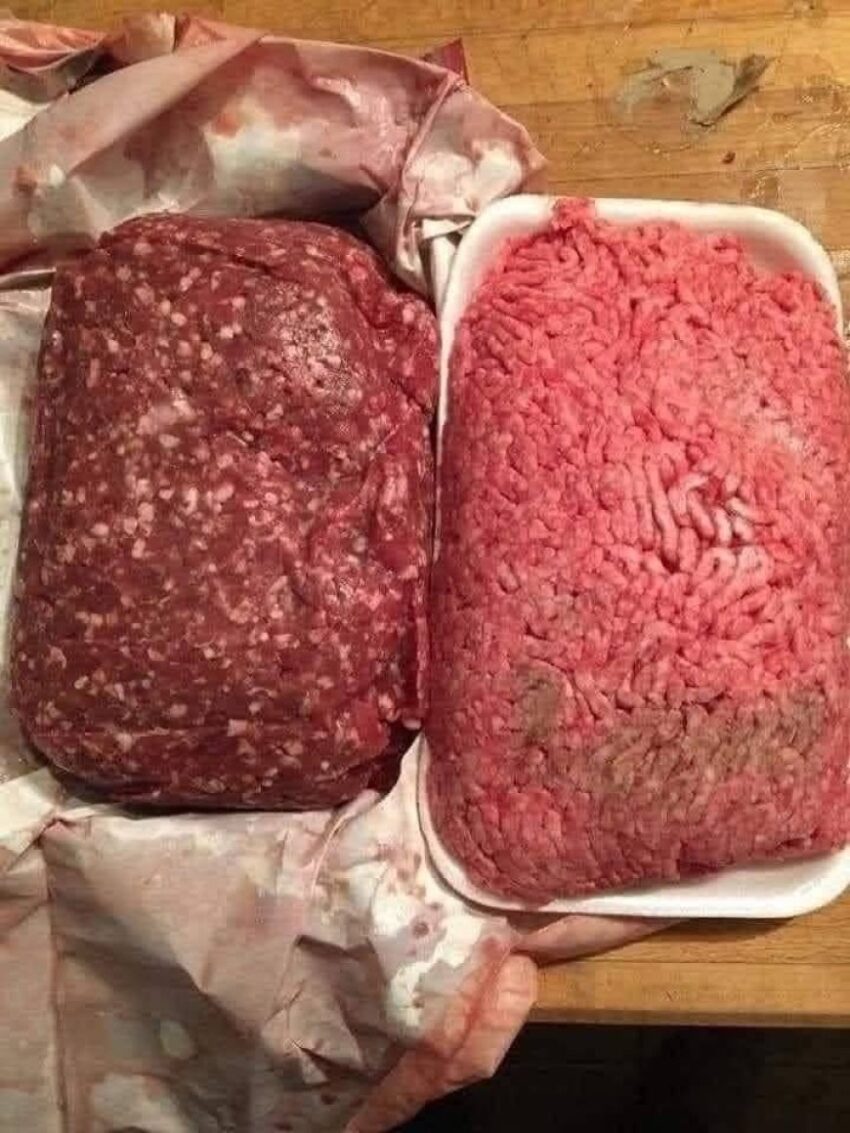
The difference between store beef and farm beef mainly comes down to how the animals are raised, what they eat, and how the meat is processed and sold.
🥩 Store beef
Beef
This usually refers to beef you buy from:
- Supermarkets
- Commercial butcher shops
Characteristics:
- Comes from large-scale commercial farms/feedlots
- Cattle are often fed grain-based diets (corn, soy, etc.)
- Processed in large slaughter and packaging facilities
- Standardized cuts and grading (consistent quality)
- Usually more affordable and widely available
Pros:
- Cheaper
- Easy to find
- Consistent taste and texture
Cons:
- Less information about exact farm conditions
- May contain more fat depending on grade
- Production is more industrial
🌾 Farm beef (local / grass-fed / farm-raised)
This refers to beef sold directly from farms or small producers.
Characteristics:
- Cattle often raised on pasture (grass-fed)
- Smaller-scale farming
- Less industrial processing
- Sometimes sold directly by farmers
Pros:
- More control over animal diet and living conditions
- Often leaner meat (if grass-fed)
- Some people prefer the taste (“more natural” flavor)
Cons:
- Usually more expensive
- Less consistent availability
- Taste and texture can vary more
🧠 Key differences at a glance
| Feature | Store beef | Farm beef |
|---|---|---|
| Scale | Large commercial | Small/local farms |
| Diet | Grain-fed common | Grass-fed common |
| Price | Lower | Higher |
| Consistency | High | Variable |
| Traceability | Limited | Often higher |
⚠️ Important truth
Neither type is automatically “bad” or “good.” The health impact depends more on:
- Portion size
- Cooking method (fried vs grilled)
- Overall diet quality
🧠 Bottom line
- Store beef = mass-produced, affordable, consistent
- Farm beef = smaller-scale, often more natural raising, usually pricier
- Both are nutritionally similar in basic protein content
If you want, I can also compare grass-fed vs grain-fed beef nutrition in detail or tell you which is better for cholesterol, gym goals, or weight loss.
