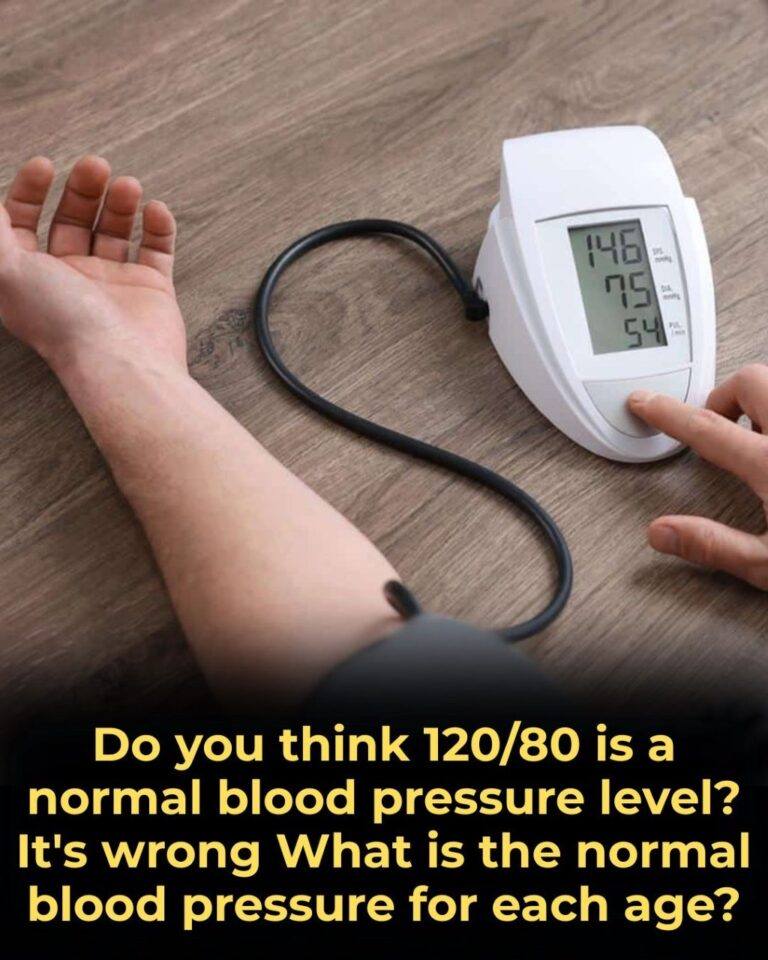
That’s a great question — and the answer surprises a lot of people.
First, the most important update:
👉 Normal blood pressure is NOT very different by age anymore.
Modern guidelines use mostly the same targets for adults of all ages.
These recommendations come from groups like the American Heart Association and the American College of Cardiology.
✅ Current Adult Blood Pressure Categories
| Category | Systolic (Top Number) | Diastolic (Bottom Number) |
|---|---|---|
| Normal | Less than 120 | Less than 80 |
| Elevated | 120–129 | Less than 80 |
| High (Stage 1) | 130–139 | 80–89 |
| High (Stage 2) | 140+ | 90+ |
| Hypertensive Crisis | 180+ | 120+ |
👶 What About Age?
👦 Children & Teens
Blood pressure is based on:
- Age
- Height
- Sex
Doctors use growth charts rather than one fixed number.
👨 Adults (18–64)
Under 120/80 is considered normal.
Even if you’re 50 or 60, doctors don’t say “higher is fine” anymore — because research shows lower (but not too low) reduces heart attack and stroke risk.
👵 Adults 65+
For many healthy older adults:
- Target is still under 130/80
- Some doctors individualize goals (especially if there’s frailty, dizziness, or fall risk)
💡 Important: “Normal for Age” vs. “Common for Age”
Higher blood pressure is common as we age.
But common ≠ healthy.
Blood vessels stiffen over time, which raises systolic pressure — but treatment can still reduce risk.
⚠️ When to Worry
Seek medical care if:
- You consistently read 140/90 or higher
- You have headaches, chest pain, vision changes, or shortness of breath
- A reading is over 180/120 (urgent evaluation)
If you’d like, tell me:
- Your age range
- Recent readings
- Whether you’re on medication
I can help you interpret what they likely mean.
