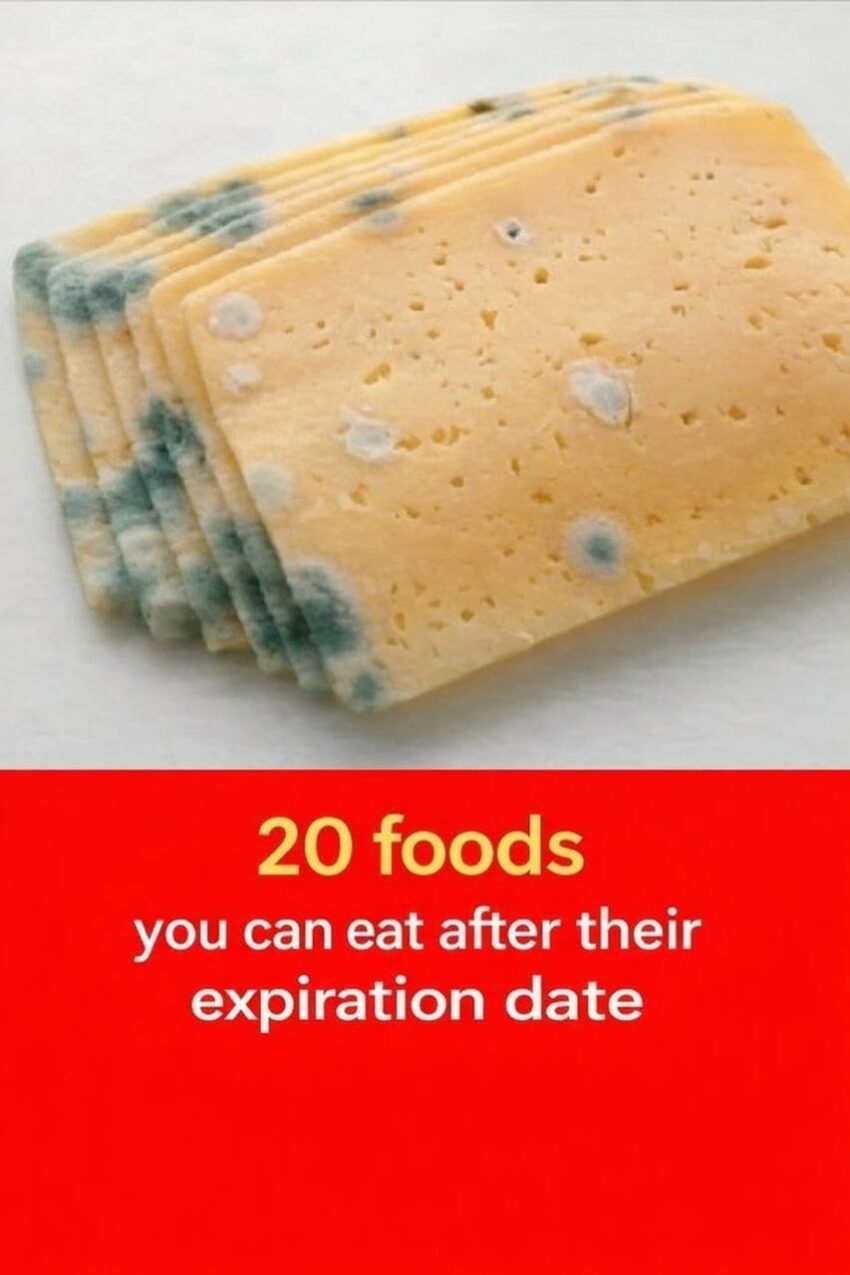
20 Foods You Can Often Eat After Their Expiration Date
Important Note
Many dates printed on food packages are quality dates, not strict safety deadlines. Terms like “Best by,” “Best before,” or “Sell by” often indicate when the manufacturer expects the food to taste freshest—not necessarily when it becomes unsafe.
However, always check:
- Smell
- Appearance
- Texture
- Packaging condition
If food has mold, a strange odor, swelling packaging, slime, or an unusual color, throw it away.
1. Dry Pasta
Can often last: 1–2 years past the date
Why:
- Very low moisture prevents bacterial growth
Check:
- No insects
- No moisture damage
2. Rice (White Rice)
Can often last: Several years when stored properly
Why:
- Dry grains are naturally long-lasting
Storage:
- Keep in an airtight container in a cool, dry place
3. Dried Beans
Can often last: Years
Why:
- Lack of moisture prevents spoilage
Note:
- Older beans may take longer to soften when cooked.
4. Canned Vegetables
Can often last: 1–2+ years past the date
Examples:
- Corn
- Peas
- Green beans
Avoid cans that are:
- Bulging
- Leaking
- Rusted through
5. Canned Beans
Can often last: Years
Examples:
- Chickpeas
- Kidney beans
- Black beans
Rinse before eating to reduce sodium.
6. Canned Fish
Can often last: 1–5 years depending on storage
Examples:
- Tuna
- Salmon
- Sardines
Discard if:
- Can is swollen
- Contents smell unusual
7. Honey
Can last: Indefinitely
Why:
- Naturally low moisture
- Naturally acidic
Note:
- It may crystallize, but warming gently restores the texture.
8. Salt
Can last: Indefinitely
Salt does not spoil, although additives may affect appearance over time.
9. Sugar
Can last: Indefinitely
It may harden but remains usable.
Tip:
- Break up clumps or dissolve in cooking.
10. Vinegar
Can last: Almost indefinitely
You may notice:
- Color changes
- Sediment
These are usually harmless.
11. Soy Sauce
Can often last: 1–3 years after opening (quality may decline)
Store:
- In a cool place
- Refrigerated for best quality
12. Dried Spices
Can often last: 1–3 years
They usually lose:
- Flavor
- Aroma
- Color
They rarely become dangerous.
13. Flour
Can often last: Several months after the date
Storage matters:
- Keep sealed
- Watch for insects or rancid smells
Whole wheat flour spoils faster because it contains more natural oils.
14. Oats
Can often last: 1–2 years
Best stored:
- Dry
- Airtight
- Away from heat
15. Peanut Butter
Can often last: Months after the date
Check:
- No mold
- No strange smell
Natural peanut butter may separate but can be stirred.
16. Crackers
Can often last: Months after the date
They may become:
- Less crunchy
- Stale
But unopened packages often remain safe.
17. Breakfast Cereal
Can often last: Several months after the date
The biggest issue:
- Loss of crunch
- Stale flavor
18. Frozen Foods
Can often last: Beyond the printed date if continuously frozen
Examples:
- Frozen vegetables
- Frozen fruits
- Frozen meals
Quality may decline over time due to freezer burn.
19. Chocolate
Can often last: Months after the date
You may see:
- White coating (sugar/fat bloom)
This is usually harmless and affects appearance only.
20. Hard Cheese
Can often last: Beyond the date when stored properly
Examples:
- Parmesan
- Cheddar
If mold appears:
- Hard cheeses can often have the mold cut away with a generous margin
- Soft cheeses should usually be discarded
Foods You Should Be More Careful With
Do not rely only on the date for:
- Fresh meat
- Fresh poultry
- Seafood
- Cooked leftovers
- Soft cheeses
- Eggs stored improperly
- Ready-to-eat refrigerated foods
These can develop harmful bacteria even when they look normal.
Storage Tips to Make Food Last Longer
✅ Keep dry foods in airtight containers
✅ Store canned foods in a cool, dry place
✅ Keep refrigerators at about 4°C / 40°F or below
✅ Freeze foods before they spoil
✅ Label opened packages with the date
Bottom Line
Many shelf-stable foods—such as rice, pasta, canned goods, honey, sugar, salt, dried beans, and spices—can remain safe well beyond their printed dates if stored correctly. Always use your senses and proper food safety practices rather than relying only on the date label.
