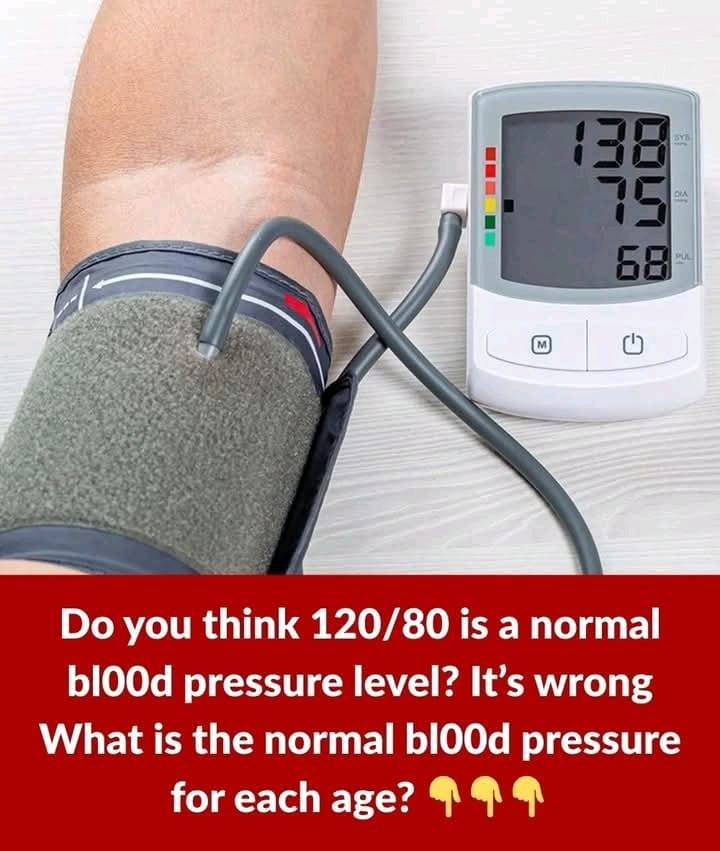
Blood pressure varies slightly with age, but there isn’t a completely different “normal” for every age group. Instead, doctors use general ranges and then consider age as a factor.
🩺 Standard Blood Pressure Categories (for most adults)
- Normal: less than 120/80 mmHg
- Elevated: 120–129 / less than 80
- High (Hypertension Stage 1): 130–139 / 80–89
- High (Stage 2): 140+/90+
👶 Children & Teens
Blood pressure in kids depends on age, height, and sex, but general averages are:
- Newborns (0–1 month): 60–90 / 20–60
- Infants (1–12 months): 80–100 / 50–65
- Toddlers (1–5 years): 90–110 / 55–75
- Children (6–12 years): 95–120 / 60–80
- Teens (13–18 years): 100–130 / 65–85
👨 Adults (18+ years)
- Ideal target stays around 120/80 mmHg
- Slightly higher readings may be more common with age, but should not be considered “normal” automatically
👴 Older Adults (60+ years)
- Many doctors accept:
- Around 120–130 / 70–80 mmHg as healthy
- Sometimes up to 140/90 mmHg may be tolerated depending on overall health, but lower is generally better if safe
⚠️ Important Notes
- Blood pressure naturally increases with age due to stiffening arteries.
- Conditions like Hypertension can develop silently.
- Very low BP (below ~90/60) may also cause symptoms like dizziness.
✔️ Simple Rule to Remember
- 120/80 mmHg is the ideal benchmark for most people, regardless of age.
- Regular monitoring is more important than age-based assumptions.
If you want, tell me your age and recent readings—I can help you understand whether your blood pressure is in a healthy range.
