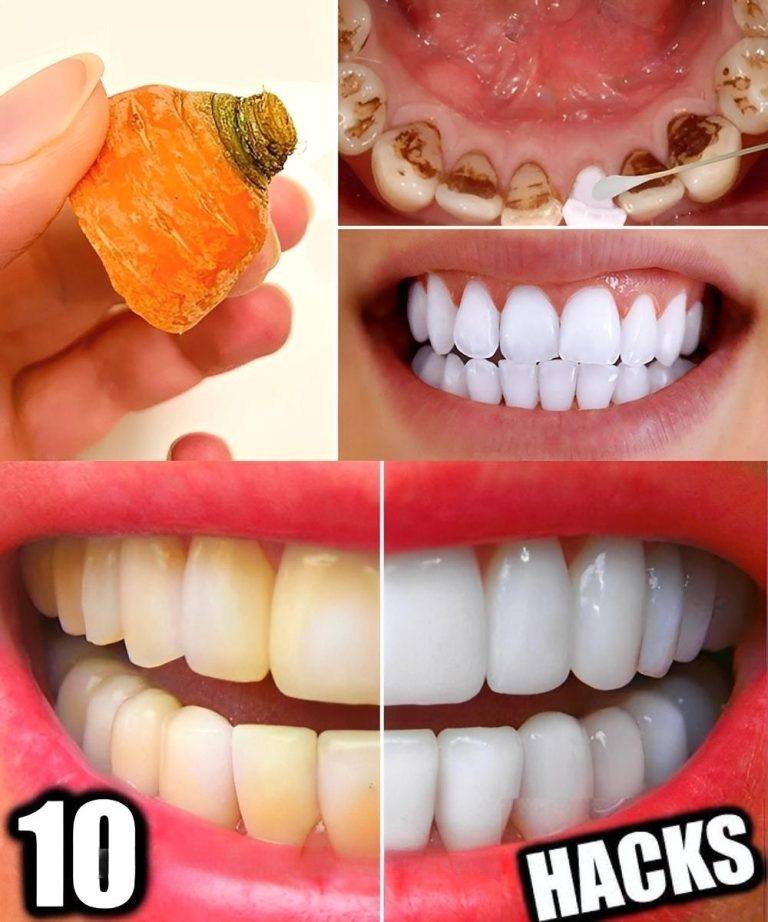
Teeth whitening “hacks” can work—but a lot of viral ones do more harm than good. If you want a brighter smile without damaging your enamel, it’s worth separating what’s safe from what’s hype.
🦷 What actually works
1. Whitening toothpaste (mild but safe)
Look for ones with gentle abrasives or low-dose peroxide. They won’t dramatically whiten, but they help remove surface stains over time.
2. Baking soda (occasionally)
Sodium bicarbonate can lift surface stains.
How to use:
- Mix a pinch with water into a paste
- Brush gently 1–2 times a week (not daily)
Why it works: mildly abrasive, helps scrub stains
Risk: overuse can wear enamel
3. Hydrogen peroxide (diluted only)
Hydrogen peroxide is the active ingredient in most whitening products.
How to use:
- Use very diluted (around 1.5–3%) as a mouth rinse occasionally
- Don’t swallow
4. Whitening strips/kits
These are the most effective at-home option because they use controlled peroxide levels.
⚠️ “Hacks” to avoid
These are popular online but can backfire:
- Lemon + baking soda → acid + abrasion = enamel damage
- Charcoal toothpaste daily → too abrasive, can erode enamel
- Apple cider vinegar → acidic, weakens teeth
- Scrubbing hard or too often → doesn’t whiten, just damages
🥤 Everyday habits that matter more
- Rinse your mouth after tea, coffee, or cola
- Use a straw for staining drinks
- Don’t smoke
- Brush twice daily and floss
💡 Important reality check
- Natural teeth aren’t pure white—they’re slightly off-white
- Yellowing can come from inside the tooth, not just surface stains
- Deep whitening requires professional treatment
If you want, I can suggest a safe routine based on what you have at home or compare cheap vs professional whitening options so you don’t waste money.
