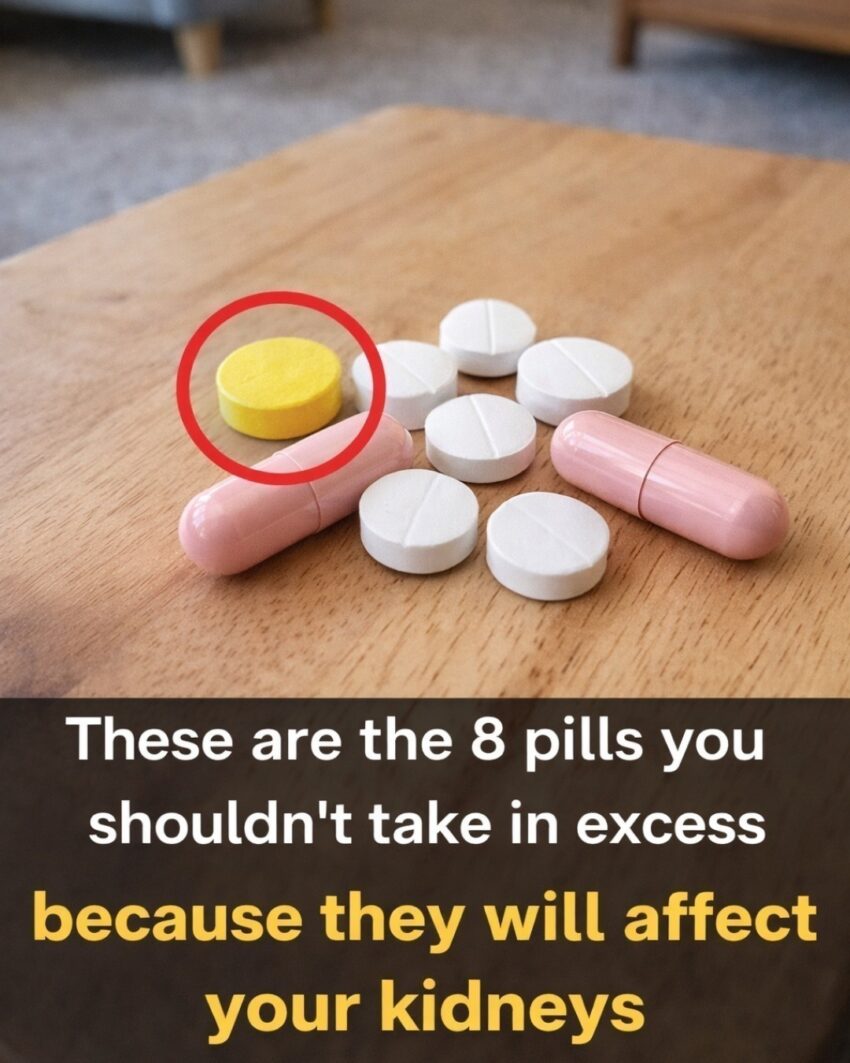
Your kidneys filter waste and regulate fluids and electrolytes—so certain medications can strain or damage them when taken in excess (or even at normal doses in high-risk people). Here are 8 common ones to be careful with:
1. Ibuprofen
A widely used NSAID for pain and inflammation. Overuse can reduce blood flow to the kidneys and lead to acute kidney injury.
2. Naproxen
Another NSAID similar to ibuprofen. Long-term or high-dose use can impair kidney function, especially in older adults.
3. Diclofenac
Often prescribed for joint pain. It’s particularly harsh on kidneys when used frequently or in high doses.
4. Aspirin
Safe in low doses (like for heart protection), but high doses over time can damage kidney tissue.
5. Acetaminophen
Known more for liver risks, but excessive or chronic use can also harm kidneys—especially when combined with other painkillers.
6. Omeprazole
Used for acid reflux. Long-term use has been linked to chronic kidney disease and inflammation of the kidneys.
7. Furosemide
A “water pill” used for swelling or high blood pressure. Overuse can dehydrate you and disrupt electrolytes, stressing the kidneys.
8. Gentamicin
A powerful antibiotic, usually given in hospitals. It can be directly toxic to kidney cells if doses aren’t carefully monitored.
Key takeaway
“More” doesn’t mean “better” with medications. Even over-the-counter drugs can harm your kidneys if misused.
If you:
- already have kidney disease
- are older
- are dehydrated
- take multiple medications
…your risk is higher.
If you want, I can also list safer alternatives for pain relief or explain early warning signs of kidney damage so you know what to watch for.
