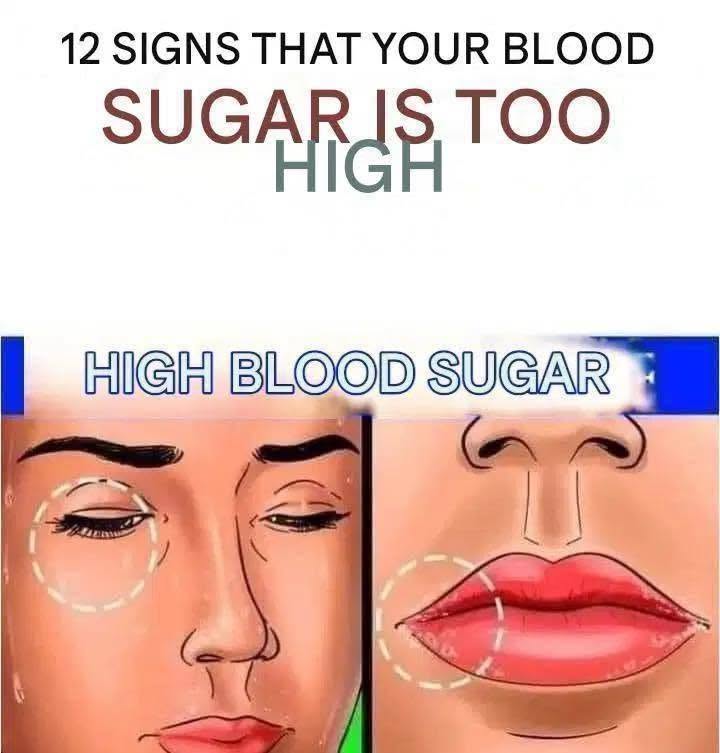
The High-Sugar Alert: Recognizing the 12 Key Symptoms Your Body May Be Showing You
Headlines like “12 key symptoms of high sugar” are usually referring to high blood glucose, which can occur in people with undiagnosed or poorly controlled diabetes. However, it’s important to be clear:
👉 These symptoms are not exclusive to high sugar
👉 Many other conditions can cause the same signs
👉 The only way to confirm is through a blood test
High or fluctuating blood sugar is commonly associated with diabetes mellitus, especially when not well managed.
🧠 What Happens When Blood Sugar Is High?
When glucose builds up in the bloodstream, the body struggles to use it properly for energy. This can affect:
- Energy levels
- Kidneys (fluid loss through urine)
- Eyes
- Nerves
- Skin and immune system
Over time, untreated high blood sugar can lead to serious complications.
⚠️ 12 Common Symptoms of High Blood Sugar
1. Frequent urination (polyuria)
High glucose pulls extra water into urine, making you urinate more often—especially at night.
2. Excessive thirst
Because of fluid loss, the body triggers intense thirst to compensate.
3. Increased hunger
Cells are not getting enough usable energy, so the brain signals hunger even after eating.
4. Fatigue and weakness
Glucose stays in the blood instead of entering cells, leading to low energy.
5. Blurred vision
High sugar can cause fluid shifts in the eye lens, affecting focus.
6. Slow wound healing
High glucose impairs blood flow and immune response, delaying recovery.
7. Frequent infections
Especially:
- Skin infections
- Urinary tract infections
- Fungal infections
High sugar creates a favorable environment for microbes.
8. Dry mouth and dry skin
Dehydration from fluid loss contributes to dryness.
9. Tingling or numbness in hands/feet
This may suggest early nerve damage, known as neuropathy.
10. Unexplained weight loss
The body starts breaking down fat and muscle for energy when it cannot use glucose properly.
11. Irritability or mood changes
Fluctuating energy levels can affect concentration and mood.
12. Darkened skin patches (acanthosis nigricans)
Thick, darkened skin often appears in folds like:
- Neck
- Armpits
- Groin
This can be linked to insulin resistance.
🧪 Important: Symptoms Are Not Proof
These symptoms can also be caused by:
- Stress or anxiety
- Thyroid disorders
- Infections
- Dehydration
- Certain medications
- Sleep disorders
👉 That’s why testing is essential.
🩺 When You Should Get Checked
You should consider a blood sugar test if you notice:
- Persistent thirst or urination
- Fatigue without clear reason
- Blurred vision
- Slow healing wounds
- Family history of diabetes
Doctors may order:
- Fasting blood glucose
- HbA1c test (average sugar over 2–3 months)
- Oral glucose tolerance test
🚨 When to Seek Urgent Care
Seek immediate medical help if high blood sugar symptoms occur with:
- Vomiting
- Severe weakness
- Confusion
- Deep rapid breathing
- Fruity-smelling breath
These may indicate a serious complication.
🥗 What Actually Helps Control Blood Sugar
Lifestyle changes—not “quick fixes”—make the biggest difference:
- Balanced meals with fiber and protein
- Reducing sugary drinks and refined carbs
- Regular physical activity
- Maintaining a healthy weight
- Proper sleep
- Medication if prescribed
🧾 Bottom Line
High blood sugar does not always show dramatic symptoms early, but warning signs like frequent urination, thirst, fatigue, blurred vision, and slow healing can appear.
However:
✔ Symptoms suggest a possibility
❌ They do not confirm diagnosis
The only reliable way to know is through medical testing, especially for conditions like diabetes mellitus.
If you want, I can also break down early vs late diabetes symptoms or show a simple “at-home risk checklist” used by doctors.
