If Your Hands Fall Asleep, Is It a Clear Sign That You Have Cancer?
The statement “If your hands fall asleep, it’s a clear sign that you have cancer” is not true. Tingling, numbness, or a “pins and needles” feeling in the hands is common and usually caused by much more common conditions, such as pressure on a nerve, circulation changes, or nerve irritation.
However, persistent or unusual numbness should not be ignored because it can sometimes indicate a medical problem that needs evaluation.
Why Do Hands Fall Asleep?
The sensation of a hand “falling asleep” is called Paresthesia.
It happens when nerves are temporarily compressed, irritated, or affected.
Common causes include:
1. Pressure on a Nerve (Most Common Cause)
A very common example is sleeping on your arm or leaning on your elbow for too long.
Pressure can temporarily interfere with nerve signals, causing:
- Tingling
- Numbness
- Burning sensations
- Weakness
The feeling usually improves after changing position and restoring normal nerve function.
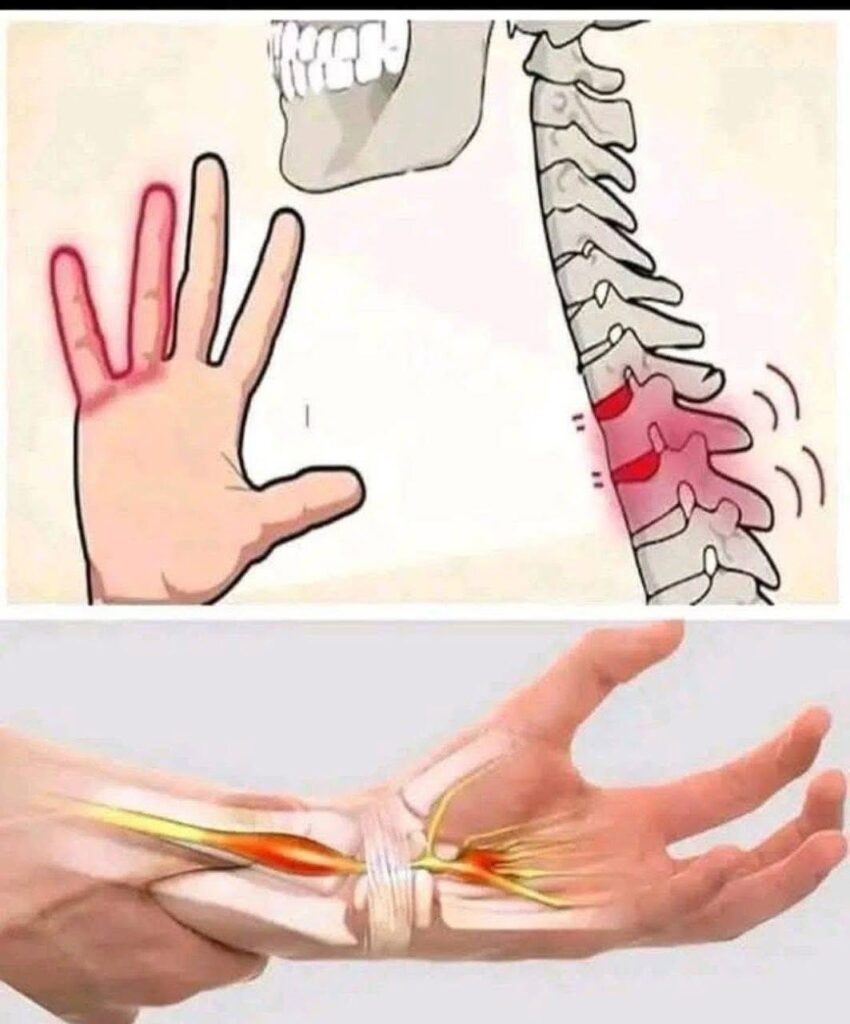
2. Nerve Compression Conditions
Carpal tunnel syndrome
This occurs when the median nerve in the wrist becomes compressed.
Symptoms may include:
- Tingling in the thumb, index finger, middle finger, and part of the ring finger.
- Numbness that is worse at night.
- Hand weakness.
- Dropping objects.
It is common in people who perform repetitive hand movements.
Cervical radiculopathy
A nerve coming from the neck can become irritated due to:
- Disc problems
- Arthritis
- Injury
Symptoms may include:
- Neck pain
- Shoulder pain
- Tingling or numbness traveling down the arm into the hand
3. Diabetes-Related Nerve Damage
Long-term high blood sugar can damage nerves, causing:
Diabetic neuropathy
Symptoms often include:
- Tingling
- Burning
- Reduced sensation
- Pain
It usually begins in the feet but can also affect the hands.
4. Vitamin Deficiencies
Certain nutritional deficiencies can affect nerve health.
A common example is:
Vitamin B12 deficiency
Possible symptoms:
- Numbness or tingling
- Balance problems
- Fatigue
- Weakness
- Memory or concentration difficulties
5. Poor Circulation or Blood Vessel Problems
Reduced blood flow can sometimes cause:
- Cold hands
- Color changes
- Numbness
- Tingling
Circulation-related symptoms often occur along with other signs, such as pain or skin changes.
6. Anxiety and Hyperventilation
During intense stress or panic, rapid breathing can change carbon dioxide levels in the blood.
This may cause:
- Tingling around the mouth
- Tingling in fingers
- Lightheadedness
Can Cancer Cause Hand Numbness?
Yes, in rare situations, cancer or cancer treatments can affect nerves. But hand tingling alone is not a reliable sign of cancer.
Cancer-related nerve symptoms may occur due to:
- A tumor pressing on a nerve.
- Certain chemotherapy medications causing nerve damage.
- Cancer affecting the spinal cord or nervous system.
Usually, there are additional symptoms depending on the cause.
Possible warning signs that require medical evaluation include:
- Progressive worsening numbness.
- Significant weakness.
- Loss of coordination.
- Unexplained weight loss.
- Persistent severe pain.
- A known history of cancer with new neurological symptoms.
When Should You See a Doctor?
Seek medical advice if hand numbness:
- Keeps returning without an obvious cause.
- Lasts for days or weeks.
- Is getting worse.
- Causes weakness or difficulty using your hand.
- Affects one side of the body suddenly.
Seek emergency care immediately if numbness appears suddenly with:
- Facial drooping.
- Trouble speaking.
- Confusion.
- Severe dizziness.
- Loss of balance.
These can be signs of a Stroke.
Simple Things That May Help
For occasional “sleeping” hands:
- Change your sleeping position.
- Avoid leaning on elbows for long periods.
- Take breaks during repetitive hand activities.
- Stretch your wrists and hands.
- Maintain good posture, especially when using computers or phones.
Myths vs. Facts
Myth: Numb hands always mean cancer.
Fact: Most cases are caused by nerve compression, posture, repetitive strain, diabetes, or vitamin issues.
Myth: If the tingling goes away, it can always be ignored.
Fact: Occasional brief episodes are often harmless, but repeated or worsening symptoms deserve attention.
Myth: Natural remedies can diagnose or cure nerve problems.
Fact: Persistent numbness should be evaluated to identify and treat the underlying cause.
Key Takeaway
Hands falling asleep is not a clear sign of cancer. It is usually related to temporary nerve compression or other common conditions. However, frequent, persistent, worsening, or unexplained numbness—especially with weakness or other neurological symptoms—should be checked by a healthcare professional to find the actual cause.
