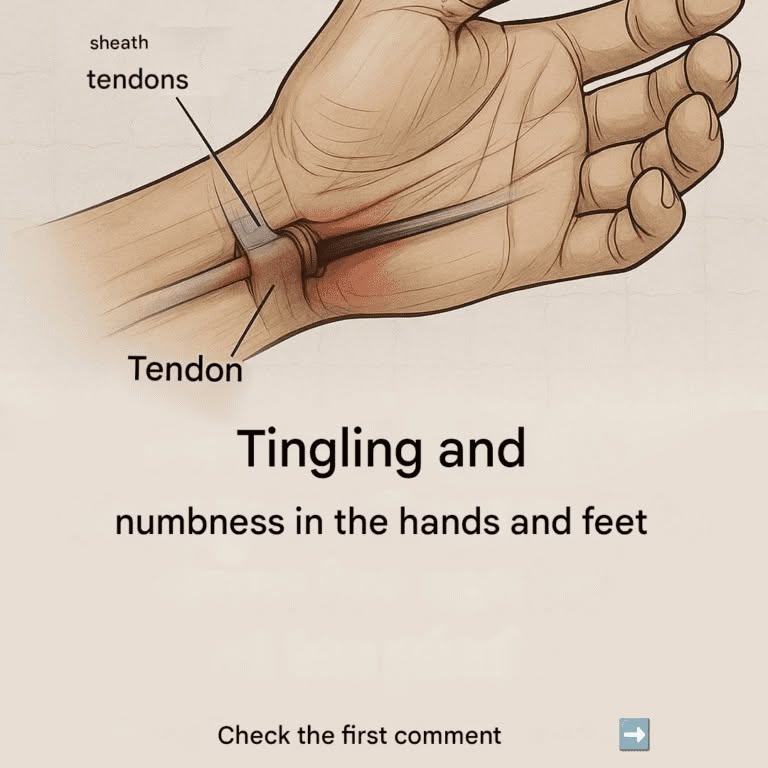
If Your Hands Are Going Numb, Here’s What It Means
Hand numbness is a common symptom that many people experience. It can feel like:
- Pins and needles
- Tingling
- Burning
- Loss of sensation
- A “dead” or heavy feeling in the hand
- Weak grip or difficulty holding objects
While occasional numbness can happen from something as simple as sleeping on your arm, persistent or recurring numbness may indicate an underlying nerve, circulation, or medical issue that needs attention.
Why Do Hands Go Numb?
Hand numbness happens when nerves that carry signals between your brain, spinal cord, and hands become compressed, irritated, or damaged, or when blood flow is temporarily affected.
The cause depends on:
- Which fingers are affected
- Whether one or both hands are involved
- How long symptoms last
- Whether there is pain, weakness, or other symptoms
1. Sleeping Position or Temporary Nerve Pressure (Very Common)
Sometimes your hand goes numb because you have placed pressure on a nerve while sleeping or sitting.
Examples:
- Sleeping with your arm under your body.
- Leaning on your elbow for a long time.
- Keeping your wrist bent for extended periods.
Symptoms:
- Sudden tingling
- Numbness
- “Electric” sensations
Usually, the feeling improves after changing position and allowing the nerve to recover.
2. Carpal tunnel syndrome
One of the most common causes of hand numbness is pressure on the median nerve at the wrist.
The median nerve controls sensation in:
- Thumb
- Index finger
- Middle finger
- Part of the ring finger
Common symptoms:
- Numbness or tingling at night.
- Hand weakness.
- Dropping objects.
- Wrist discomfort.
- Shaking the hand to relieve symptoms.
Common risk factors:
- Repetitive hand movements.
- Certain jobs.
- Pregnancy.
- Diabetes.
- Arthritis.
3. A Pinched Nerve in the Neck
Problems in the neck can affect nerves traveling down into the arm and hand.
This condition is called:
Cervical radiculopathy
Possible causes:
- Disc problems.
- Arthritis changes.
- Neck injuries.
Symptoms may include:
- Neck pain.
- Shoulder pain.
- Tingling traveling down the arm.
- Weakness in the hand or fingers.
4. Diabetes-Related Nerve Damage
Long-term high blood sugar can damage nerves.
This is known as:
Diabetic neuropathy
Symptoms may include:
- Tingling.
- Burning.
- Numbness.
- Reduced ability to feel temperature or pain.
Although it often begins in the feet, it can also affect the hands.
5. Vitamin B12 Deficiency
Vitamin B12 is important for healthy nerves.
Low levels can contribute to:
Vitamin B12 deficiency
Possible symptoms:
- Tingling in hands and feet.
- Balance problems.
- Weakness.
- Fatigue.
- Memory or concentration difficulties.
People at higher risk may include those with certain digestive conditions or diets that provide little or no vitamin B12.
6. Poor Blood Circulation
Reduced blood flow can sometimes cause numbness or tingling.
Possible signs:
- Cold hands.
- Color changes (pale, blue, or unusually red skin).
- Pain with activity or exposure to cold.
Circulation problems are more concerning when symptoms are persistent or occur with other cardiovascular risk factors.
7. Anxiety, Stress, or Hyperventilation
Strong anxiety or panic can cause temporary tingling.
During rapid breathing:
- Carbon dioxide levels can change.
- Nerves may become more sensitive.
Symptoms may include:
- Tingling in fingers.
- Tingling around the mouth.
- Lightheadedness.
8. Medication Side Effects
Some medications can affect nerves and cause tingling or numbness.
Examples may include certain:
- Chemotherapy drugs.
- Some antibiotics.
- Certain medications used for seizures or infections.
Always discuss possible medication side effects with a healthcare professional rather than stopping medication suddenly.
9. Autoimmune or Neurological Conditions
Less commonly, hand numbness may be related to conditions affecting the nervous system.
Examples include:
Multiple sclerosis
or other nerve disorders.
These conditions usually involve additional neurological symptoms, not just isolated occasional hand numbness.
When Hand Numbness Could Be an Emergency
Seek emergency medical help if numbness appears suddenly with:
- Face drooping
- Trouble speaking
- Confusion
- Severe dizziness
- Loss of balance
- Sudden weakness on one side of the body
These can be warning signs of:
Stroke
Pay Attention to Which Fingers Are Numb
The pattern can provide clues:
Thumb, index, and middle fingers:
Often associated with the median nerve (such as carpal tunnel syndrome).
Ring finger and little finger:
May involve the ulnar nerve, often affected near the elbow.
Whole hand or arm:
May suggest a larger nerve issue, circulation problem, or another cause.
What You Can Do at Home for Mild, Occasional Numbness
- Change your hand or sleeping position.
- Avoid prolonged pressure on elbows or wrists.
- Take breaks from repetitive activities.
- Keep wrists in a neutral position while sleeping or working.
- Maintain good posture.
- Stretch gently.
If symptoms continue, a medical evaluation can identify the cause.
Myths vs. Facts
Myth: Numb hands always mean cancer or a serious disease.
Fact: Most cases are caused by common issues such as nerve compression, posture, repetitive strain, or vitamin deficiencies.
Myth: If numbness goes away, it never needs attention.
Fact: Occasional brief episodes may be harmless, but repeated or worsening numbness should be evaluated.
Myth: You should ignore numbness if there is no pain.
Fact: Nerve problems can cause numbness without pain, and early evaluation may prevent worsening problems.
Key Takeaway
Hands going numb can result from something simple like pressure on a nerve, but it can also signal conditions such as carpal tunnel syndrome, neck nerve compression, diabetes-related nerve damage, vitamin deficiencies, or circulation problems. The most important clues are how long it lasts, which areas are affected, whether it is getting worse, and whether it occurs with weakness or other warning signs. Persistent, sudden, or unexplained numbness should be checked by a healthcare professional.
