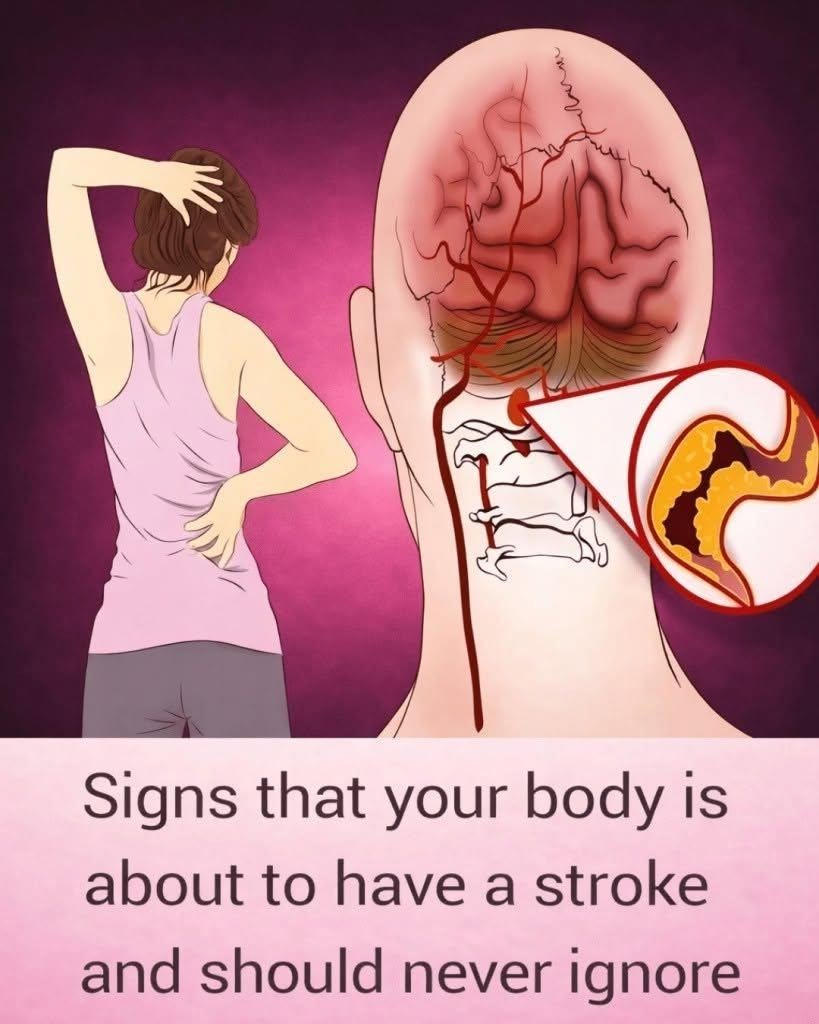
10 Early Warning Signs of a Stroke Everyone Should Know to Take Prompt Action
A Stroke is a medical emergency that happens when blood flow to part of the brain is blocked or when a blood vessel in the brain breaks. Because brain cells need a constant supply of oxygen, damage can begin within minutes.
Recognizing stroke warning signs quickly can make a major difference. Fast treatment can reduce brain damage, disability, and complications.
Why Knowing Stroke Signs Matters
There are two main types of stroke:
1. Ischemic Stroke
This occurs when a blood clot blocks a blood vessel supplying the brain.
2. Hemorrhagic Stroke
This occurs when a blood vessel ruptures and causes bleeding in the brain.
Both types require urgent medical attention.
10 Early Warning Signs of a Stroke
1. Sudden Numbness or Weakness on One Side of the Body
A classic warning sign is sudden weakness or numbness affecting:
- Face
- Arm
- Leg
Usually, it occurs on one side of the body.
Examples:
- One arm suddenly feels weak.
- One leg becomes difficult to move.
- One side of the face feels unusual.
Do not wait to see if it improves.
2. Facial Drooping
A stroke can affect the muscles that control facial movement.
Look for:
- One side of the face dropping.
- An uneven smile.
- Difficulty moving one side of the mouth.
A simple check:
Ask the person to smile. If one side does not move normally, seek emergency help.
3. Trouble Speaking or Understanding Words
A stroke may affect the brain areas responsible for language.
Signs include:
- Slurred speech.
- Difficulty finding words.
- Saying things that do not make sense.
- Trouble understanding others.
Ask the person to repeat a simple sentence. Unclear speech can be a warning sign.
4. Sudden Vision Changes
Stroke can affect the areas of the brain involved in sight.
Possible symptoms:
- Blurred vision.
- Double vision.
- Loss of vision in one eye.
- Loss of part of the visual field.
Sudden vision changes should always be taken seriously.
5. Sudden Severe Headache
A sudden, extremely severe headache may occur with some strokes, especially those involving bleeding in the brain.
It may be accompanied by:
- Nausea.
- Vomiting.
- Neck stiffness.
- Confusion.
- Loss of consciousness.
A new, severe headache with neurological symptoms requires urgent evaluation.
6. Sudden Dizziness or Loss of Balance
A stroke can affect areas of the brain responsible for coordination.
Warning signs include:
- Sudden dizziness.
- Trouble walking.
- Loss of balance.
- Difficulty standing.
- Poor coordination.
This is especially concerning when combined with speech or vision changes.
7. Sudden Confusion
A person experiencing a stroke may suddenly become confused.
Signs may include:
- Not knowing where they are.
- Difficulty answering questions.
- Trouble recognizing familiar people.
- Unusual behavior.
Sudden confusion is not something to ignore.
8. Difficulty Swallowing
Some strokes affect the muscles involved in swallowing.
Possible signs:
- Choking while eating or drinking.
- Coughing during meals.
- Difficulty swallowing saliva.
- A weak voice.
Swallowing problems can increase the risk of food or liquid entering the lungs.
9. Sudden Loss of Coordination or Fine Motor Skills
A stroke can interfere with movement control.
You may notice:
- Dropping objects.
- Difficulty writing.
- Trouble using one hand.
- Problems performing familiar tasks.
Sudden changes in coordination need medical attention.
10. Sudden Extreme Fatigue or Loss of Alertness
Some people may experience:
- Sudden unusual tiredness.
- Extreme weakness.
- Drowsiness.
- Difficulty staying awake.
If this occurs with other stroke symptoms, treat it as an emergency.
Remember the FAST Stroke Test
The easiest way to remember common stroke signs is:
F — Face
Ask the person to smile.
- Does one side of the face droop?
A — Arms
Ask them to raise both arms.
- Does one arm drift downward?
S — Speech
Ask them to repeat a sentence.
- Is speech strange or unclear?
T — Time
If any signs appear:
Call emergency services immediately.
The BE FAST Version
Some experts add two additional warning signs:
B — Balance
Sudden dizziness or trouble walking.
E — Eyes
Sudden vision changes.
This helps identify strokes that may not begin with obvious face or arm symptoms.
What To Do If You Suspect a Stroke
- Call emergency medical services immediately.
- Note the exact time symptoms started, or the last time the person was known to be normal.
- Keep the person safe and comfortable.
- Do not give food, drinks, or medications unless instructed by medical professionals.
- Do not drive the person yourself if emergency transport is available.
Risk Factors That Increase Stroke Risk
Some risk factors can be managed:
High Blood Pressure
Hypertension is one of the strongest preventable stroke risk factors.
Diabetes
Type 2 diabetes can damage blood vessels over time.
High Cholesterol
Excess cholesterol can contribute to artery narrowing.
Smoking
Smoking damages blood vessels and increases clot risk.
Heart Rhythm Problems
Atrial fibrillation can increase the risk of blood clots forming.
Lifestyle Factors
- Lack of exercise
- Poor diet
- Excess alcohol use
- Obesity
Stroke Prevention Tips
Keep Blood Pressure Under Control
Regular monitoring and treatment can greatly reduce risk.
Eat a Heart-Healthy Diet
Choose more:
- Vegetables
- Fruits
- Whole grains
- Beans
- Fish
- Nuts
Limit:
- Excess salt
- Highly processed foods
- Sugary drinks
Stay Active
Regular physical activity supports healthy blood vessels.
Avoid Smoking
Stopping smoking significantly lowers stroke risk.
Manage Medical Conditions
Follow medical advice for:
- Diabetes
- Cholesterol
- Heart conditions
Myths vs. Facts
Myth: A stroke always causes severe pain.
Fact: Many strokes happen without pain. Sudden weakness, numbness, speech problems, or confusion may be the first signs.
Myth: If symptoms disappear after a few minutes, there is no danger.
Fact: Temporary symptoms may be a Transient ischemic attack (TIA), sometimes called a mini-stroke, which can be a warning sign of a future stroke.
Myth: Stroke only happens to elderly people.
Fact: Risk increases with age, but strokes can occur in younger adults as well.
Key Takeaway
The most important stroke warning signs are sudden face drooping, arm weakness, speech difficulty, vision changes, severe headache, dizziness, confusion, swallowing problems, coordination problems, and sudden extreme weakness. Remember FAST or BE FAST and act immediately—quick medical care can save brain function and improve recovery.
