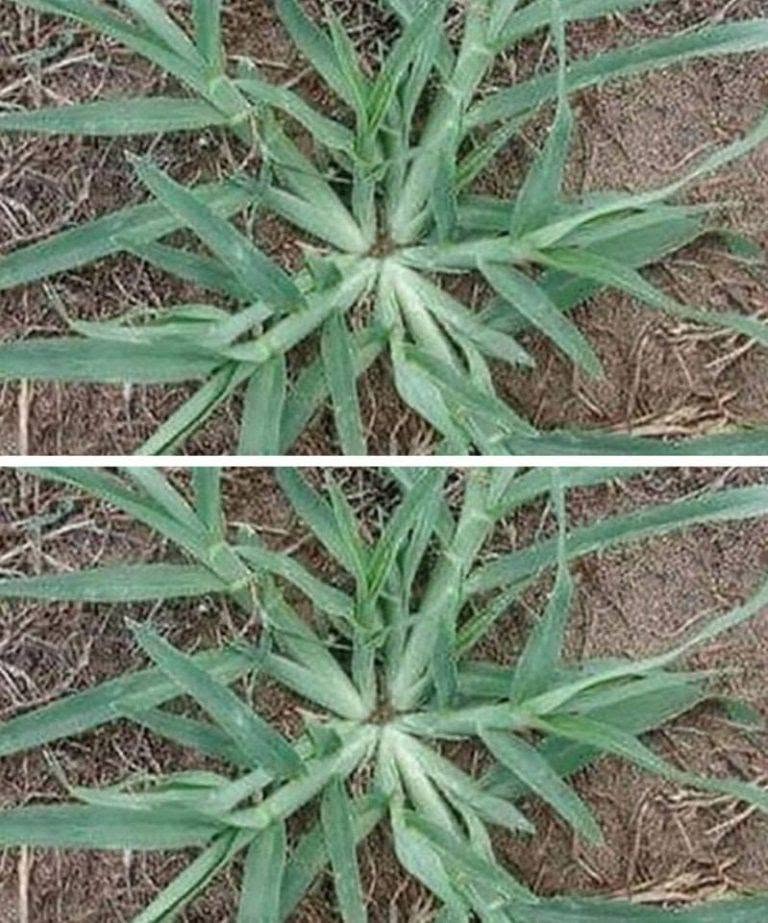
Never Uproot This Plant If It Appears in Your Garden — What You Should Know
Headlines like “Never uproot this plant” often refer to a plant that is considered beneficial, but the truth depends on which plant it is, where you live, and whether it is invasive. A plant that is helpful in one region can become a harmful weed in another.
Before removing any unfamiliar plant, it is worth identifying it first.
Why You Should Identify Unknown Plants First
An unexpected plant in your garden could be:
- A helpful native wildflower.
- A pollinator-friendly plant.
- A medicinal or edible plant.
- A weed competing with your garden plants.
- An invasive species that should be removed.
Appearance alone is not always enough to determine whether a plant is beneficial.
Common “Don’t Pull It” Garden Plants
1. Dandelion
Dandelion is often treated as a weed, but it can have ecological benefits.
Possible benefits:
- Provides early-season food for pollinators.
- Has edible leaves when properly identified and prepared.
- Helps improve soil structure with its deep roots.
However:
- It can spread quickly.
- It may compete with lawns and garden plants.
Whether to keep it depends on your gardening goals.
2. Clover
White clover is another plant many people remove from lawns.
Benefits:
- Provides nectar for bees.
- Helps add nitrogen to soil through its relationship with bacteria.
- Can tolerate dry conditions.
Some gardeners intentionally include clover in lawns because it requires less fertilizer and water.
3. Milkweed
Common milkweed is important for certain wildlife.
Benefits:
- Serves as a host plant for monarch butterfly caterpillars.
- Provides nectar for pollinators.
However, some milkweed species can spread aggressively, so location matters.
4. Plantain Weed
Plantago major is a common yard plant.
It can:
- Support some insects.
- Be used traditionally in some cultures.
But in managed lawns, it may still be considered unwanted.
Why Some Viral Plant Claims Are Misleading
You may see claims like:
- “This plant cures everything.”
- “Doctors don’t want you to know about this plant.”
- “Never remove this miracle plant.”
These statements often exaggerate the benefits.
A plant can have interesting properties without being a cure for diseases.
Before Removing Any “Weed,” Ask:
1. Is It Native?
Native plants often support local wildlife better than introduced species.
2. Is It Invasive?
Some plants spread rapidly and can harm local ecosystems.
3. Is It Helping Pollinators?
Flowers may provide important food sources for bees and butterflies.
4. Is It Competing With Your Garden?
A plant may be beneficial in a wild area but unwanted among vegetables or ornamental plants.
Safer Garden Practices
Instead of immediately pulling unknown plants:
✅ Take a photo and identify it.
✅ Check whether it is invasive in your region.
✅ Decide whether it fits your garden goals.
✅ Remove plants that threaten native species or important crops.
Key Takeaway
There is no single plant that should always be protected or always be removed. Many “weeds” can provide benefits such as supporting pollinators and improving soil, but some can become invasive problems. The best approach is to identify the plant first, then decide whether it belongs in your garden.
