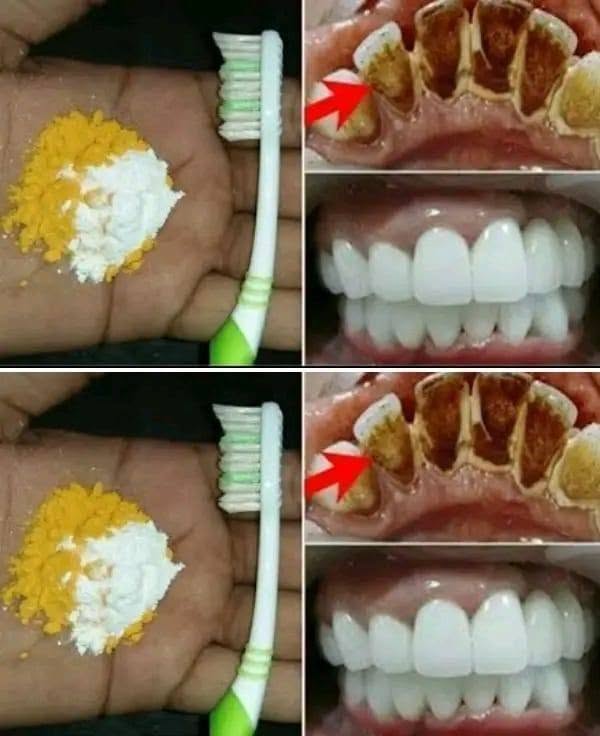
Home Teeth Whitening: Get Whiter Teeth in Just 2 Minutes! — What Really Works?
A bright smile is something many people want, and there are countless online claims promising “instant teeth whitening in 2 minutes.” However, most quick home tricks cannot permanently whiten teeth in just a few minutes.
Some methods may temporarily remove surface stains or make teeth look cleaner, but true whitening happens by using ingredients that can break down deeper stains over time.
Why Teeth Become Yellow or Stained
Teeth naturally become darker with age because the outer enamel layer can thin, allowing more of the naturally yellow inner layer (dentin) to show.
Common causes of staining include:
Food and Drinks
- Coffee
- Tea
- Red wine
- Dark-colored sauces
- Certain berries
Lifestyle Factors
- Smoking or tobacco use
- Poor oral hygiene
- Plaque buildup
Age and Genetics
Some people naturally have darker tooth shades than others.
Can Teeth Really Become White in 2 Minutes?
A quick brushing session can make teeth feel fresher, but permanent whitening in two minutes is not realistic.
Be cautious with viral methods involving:
- Lemon juice
- Baking soda scrubs
- Abrasive powders
- Harsh chemicals
These may damage enamel or irritate gums if used incorrectly.
Safer Ways to Brighten Teeth at Home
1. Brush Properly Twice a Day
Regular brushing is the foundation of a brighter smile.
Tips:
- Brush for about two minutes.
- Use a soft-bristled toothbrush.
- Clean along the gumline.
- Replace your toothbrush regularly.
A toothpaste containing fluoride helps protect enamel and prevent cavities.
2. Whitening Toothpaste
Whitening toothpaste can help remove surface stains.
Most whitening toothpastes work through:
- Mild polishing agents.
- Ingredients that help break down stains.
They generally do not change the natural color of teeth dramatically.
3. Hydrogen Peroxide-Based Whitening Products
Many professional and over-the-counter whitening products use:
Hydrogen peroxide
It can lighten tooth color by breaking down certain stains.
Products may include:
- Whitening strips
- Gels
- Trays
Results usually appear after repeated use according to product instructions.
4. Professional Teeth Whitening
Dentists can provide stronger whitening treatments under controlled conditions.
Benefits:
- Faster results.
- Professional guidance.
- Reduced risk of improper use.
A dentist can also check whether discoloration is caused by:
- Tooth decay
- Gum problems
- Enamel issues
Natural Whitening Tricks: What About Them?
Baking Soda
Baking soda may help remove some surface stains because it is mildly abrasive.
However:
- Excessive scrubbing can wear enamel.
- It does not bleach teeth.
Lemon Juice
Some people recommend lemon for whitening.
This is not recommended because lemon is acidic and can:
- Erode enamel.
- Increase sensitivity.
- Damage tooth surfaces.
Oil Pulling
Oil pulling involves swishing oil in the mouth.
Some people report fresher breath, but evidence that it significantly whitens teeth is limited.
How to Keep Teeth Looking Whiter
Reduce Staining Foods and Drinks
You do not necessarily have to avoid them completely, but consider:
- Drinking water afterward.
- Using a straw for some beverages.
- Avoiding frequent sipping of staining drinks throughout the day.
Maintain Regular Dental Care
Professional cleanings can remove:
- Plaque
- Tartar
- Surface stains
that brushing cannot remove.
Avoid Tobacco
Smoking and tobacco are major causes of tooth discoloration and also increase the risk of gum disease.
Common Teeth Whitening Mistakes
❌ Using Too Much Baking Soda
Frequent abrasive scrubbing may damage enamel.
❌ Applying Undiluted Chemicals
Household chemicals are not designed for teeth and can cause burns or injury.
❌ Whitening Without Treating Dental Problems
Whitening products may worsen sensitivity if you have:
- Cavities
- Cracked teeth
- Gum disease
When to See a Dentist Before Whitening
Get a dental check if you have:
- Tooth pain.
- Bleeding gums.
- Severe sensitivity.
- Dark discoloration of one tooth.
- Visible cavities.
Myths vs. Facts
Myth: A home remedy can permanently whiten teeth in two minutes.
Fact: Most whitening requires repeated treatments or professional procedures.
Myth: Yellow teeth always mean poor hygiene.
Fact: Natural tooth color varies, and aging can naturally darken teeth.
Myth: Stronger ingredients whiten teeth better.
Fact: Harsh substances can damage enamel and cause sensitivity.
Key Takeaway
A “2-minute miracle whitening trick” is unlikely to produce permanent results. The safest path to a brighter smile is consistent oral hygiene, stain control, dentist-approved whitening products, and professional advice when needed. Protecting your enamel is the most important part of keeping teeth healthy and attractive long term.
