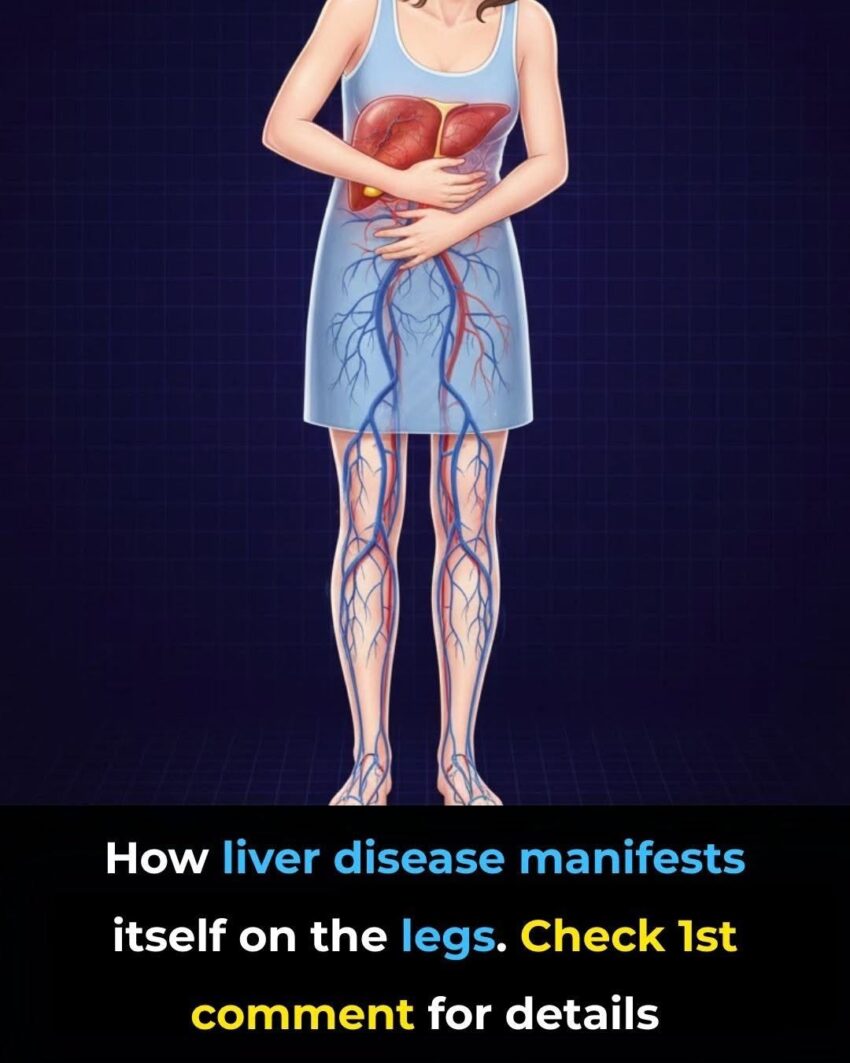
The idea that “your legs are screaming ‘HELP!’ because of your liver” is a dramatic way to describe possible symptoms, but some leg changes can occur in people with advanced liver disease. Leg symptoms alone usually do not mean there is a liver problem—many other conditions can cause them.
5 leg-related signs that can be associated with liver problems:
- Swollen legs or ankles (edema)
- Liver disease can contribute to fluid buildup, often affecting the lower legs and feet.
- Muscle loss or weakness
- Advanced liver disease can be associated with loss of muscle mass, which may affect leg strength.
- Easy bruising or unusual skin changes
- Reduced production of clotting proteins in serious liver disease can make bruising easier.
- Itching (including on the legs)
- Bile buildup in the bloodstream can cause widespread itching.
- Changes related to fluid imbalance
- People with advanced liver disease may have swelling in the legs along with abdominal swelling (ascites).
Other important liver warning signs include:
- Yellow skin or eyes (jaundice)
- Dark urine
- Pale stools
- Persistent fatigue
- Loss of appetite
- Nausea
- Confusion or unusual sleepiness (more urgent)
When to seek medical advice
Contact a healthcare professional if you have new or worsening leg swelling, especially with:
- Shortness of breath
- Chest pain
- One-sided leg swelling or pain
- Yellowing of the eyes/skin
- Confusion
If you have leg swelling or discomfort, the cause may also be heart, kidney, vein, medication, or circulation-related—not just the liver. A medical evaluation and simple tests (such as liver blood tests and imaging when needed) can help find the cause.
