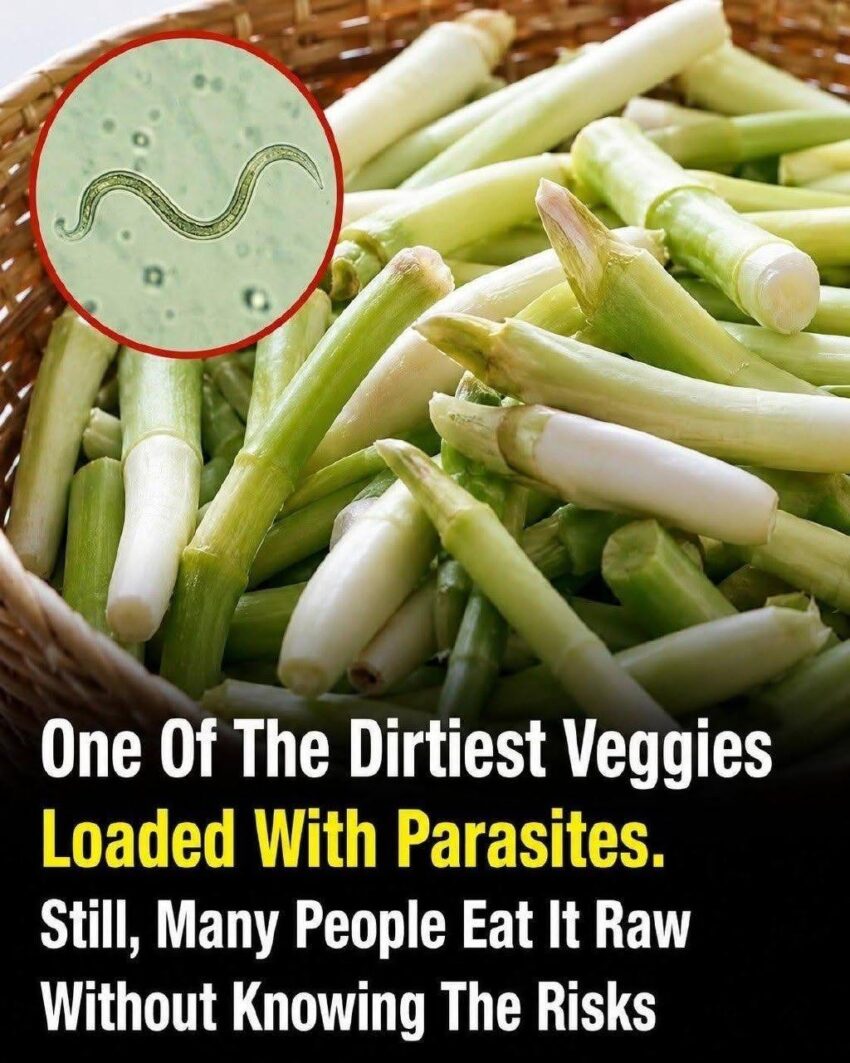
Raw green onions (also called scallions or spring onions) are nutritious, but like many fresh vegetables, they can carry some risks if they aren’t handled properly. Most people can eat them safely with good food hygiene.
Potential risks of raw green onions
- Foodborne bacteria
- Raw produce can become contaminated with bacteria such as Salmonella, E. coli, or Listeria during growing, harvesting, or handling.
- Cooking greatly reduces this risk.
- Pesticide residues
- Washing under running water helps remove dirt and some pesticide residues, although it doesn’t remove all of them.
- Digestive discomfort
- Green onions contain compounds and carbohydrates (FODMAPs) that can cause gas, bloating, or abdominal discomfort in some people, especially those with irritable bowel syndrome (IBS).
- Allergic reactions (rare)
- Some people are allergic to onions or other members of the allium family.
- Medication interactions
- Green onions contain vitamin K, though much less than leafy greens. People taking the blood thinner warfarin don’t usually need to avoid them, but should try to keep vitamin K intake reasonably consistent.
How to eat them safely
- Wash them thoroughly under clean running water before eating.
- Trim away damaged or wilted parts.
- Refrigerate them and use them before they spoil.
- Keep them separate from raw meat, poultry, and seafood to avoid cross-contamination.
- If you’re at higher risk of severe foodborne illness (such as during pregnancy, while receiving chemotherapy, or if you have a weakened immune system), consider eating them cooked rather than raw.
Health benefits
Green onions are a good source of:
- Vitamin K
- Vitamin C
- Folate
- Fiber
- Antioxidants
For most healthy people, properly washed raw green onions are a safe and nutritious food. The main concern is not that green onions are inherently dangerous, but that any raw produce can occasionally carry harmful germs if contaminated.
