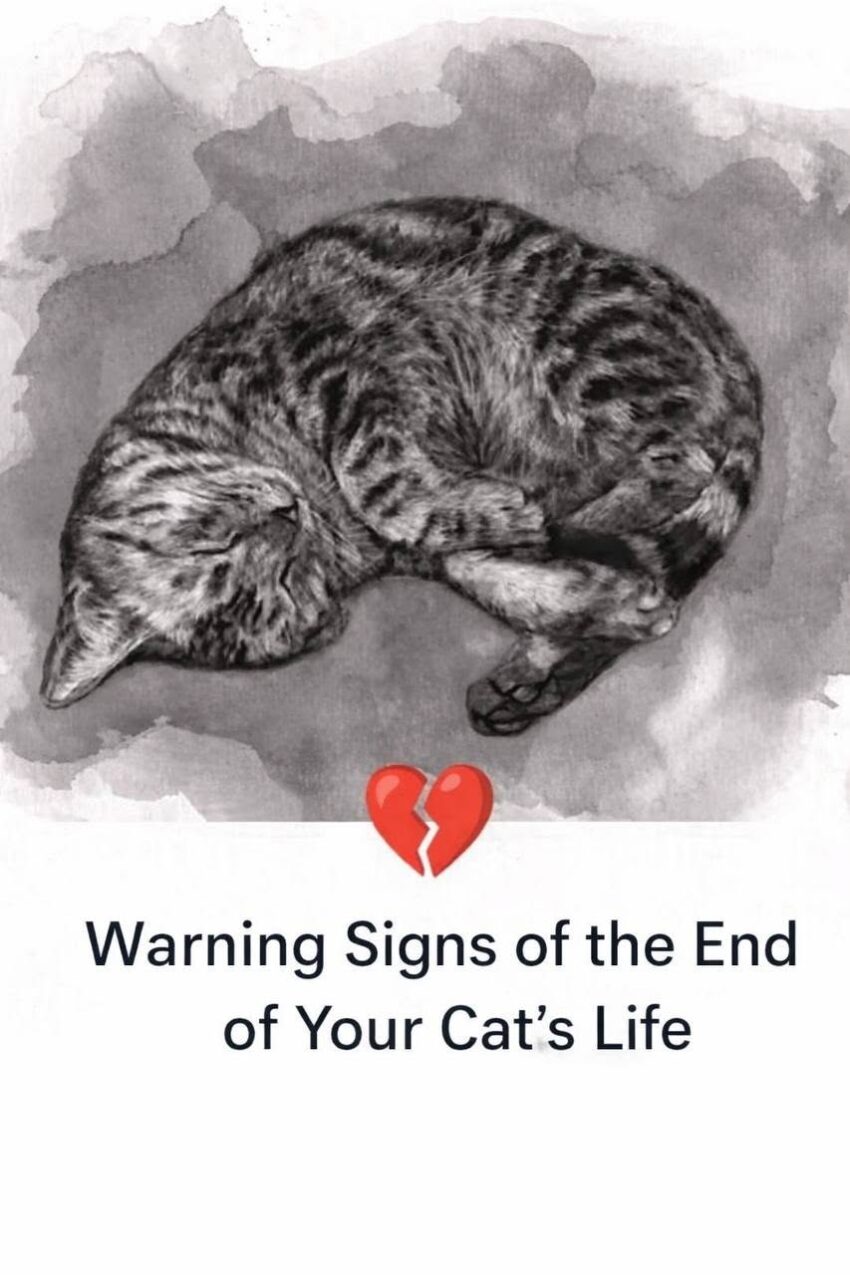
11 Signs Your Cat May Be Near the End of Life
Cats often hide illness, so changes in behavior or health can be important to notice. These signs do not always mean a cat is dying—many can also occur with treatable conditions—so a veterinarian’s assessment is the best way to understand what is happening.
1. Loss of appetite or refusing food
- A cat that stops eating or eats much less than usual may be very unwell.
- Persistent lack of appetite can become dangerous, especially in cats.
2. Extreme tiredness or weakness
- Sleeping much more than normal, avoiding activity, or struggling to move around may indicate declining health.
3. Hiding or withdrawing
- Cats often isolate themselves when they feel sick, vulnerable, or in pain.
4. Changes in breathing
- Fast, shallow, labored, or unusual breathing can be a serious warning sign.
- Open-mouth breathing in cats is an emergency.
5. Loss of grooming
- A sick cat may stop cleaning itself, leading to a dull, greasy, or tangled coat.
6. Weight loss and muscle wasting
- Significant weight loss, especially over a short period, can occur with serious illness.
7. Changes in litter box habits
- Accidents, difficulty urinating, diarrhea, constipation, or avoiding the litter box may signal health problems.
8. Decreased interest in people or surroundings
- A cat may stop seeking attention, playing, or responding normally.
9. Difficulty standing, walking, or jumping
- Weakness, pain, arthritis, or neurological problems may make movement harder.
10. Unusual vocalization or behavior changes
- Increased crying, restlessness, confusion, or sudden personality changes can indicate distress.
11. Signs of pain or discomfort
Possible signs include:
- Staying in one position
- Tense posture
- Flattened ears
- Avoiding touch
- Changes in facial expression
When to contact a veterinarian urgently
Seek veterinary care promptly if your cat has:
- Trouble breathing
- Collapse or inability to stand
- Seizures
- Severe pain
- Not eating for an extended period
- Difficulty urinating (especially in male cats)
If a cat has a serious illness or is very elderly, a veterinarian can help assess quality of life and discuss comfort-focused care options. Early support can often improve comfort, even when a condition cannot be cured.
