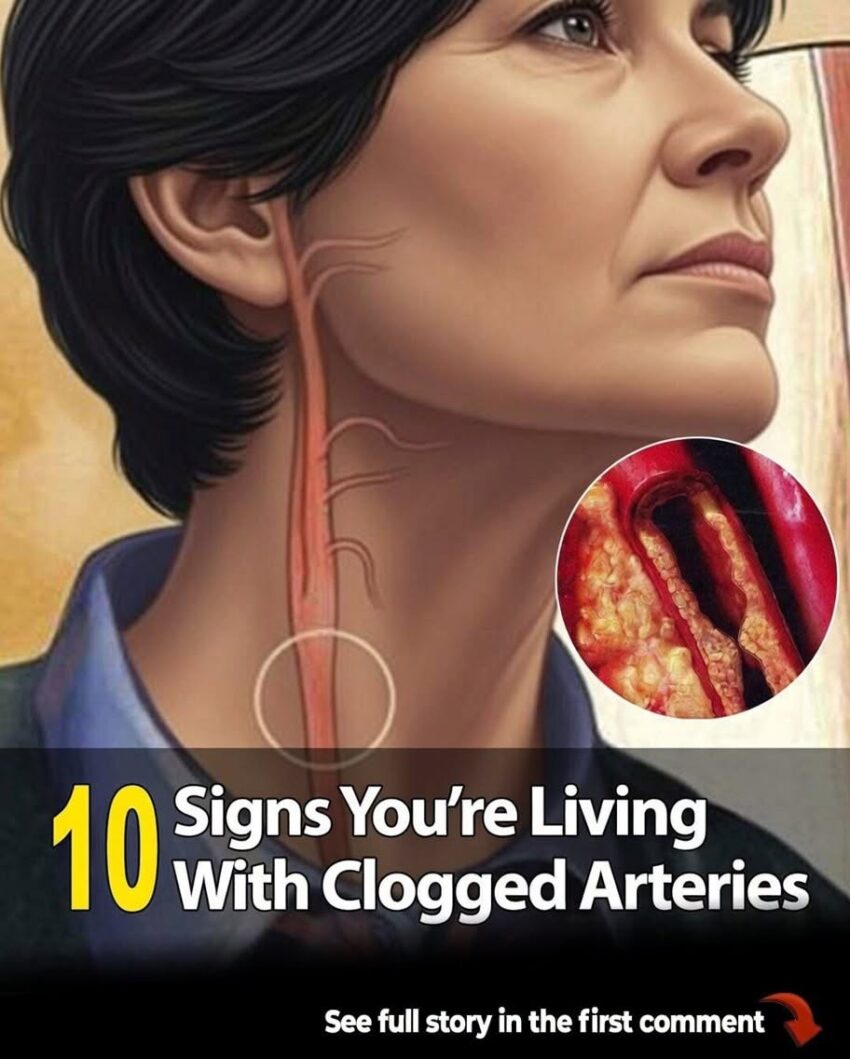
10 Possible Signs of Blocked Arteries You Shouldn’t Ignore
Blocked or narrowed arteries (called atherosclerosis) can reduce blood flow to the heart, brain, legs, or other parts of the body. Some people have no symptoms until a heart attack or stroke occurs, which is why managing risk factors is important.
1. Chest pain or pressure (angina)
- A feeling of pressure, tightness, heaviness, or squeezing in the chest.
- It may occur during physical activity or emotional stress and improve with rest.
2. Shortness of breath
- Difficulty breathing during activities that were previously easy can sometimes be a sign of heart disease.
3. Pain spreading to the arm, jaw, neck, shoulder, or back
- This can occur during a heart attack or with reduced blood flow to the heart.
4. Leg pain when walking
- Cramping or aching in the calves, thighs, or buttocks that improves with rest may be a sign of peripheral artery disease (PAD).
5. Cold feet or poor wound healing
- Reduced blood flow to the legs can cause cool skin, slow-healing sores, or changes in skin color.
6. Sudden weakness or numbness
- Especially on one side of the body, which may indicate a stroke or transient ischemic attack (TIA).
7. Trouble speaking or seeing
- Sudden difficulty speaking, understanding speech, or changes in vision require emergency evaluation.
8. Fatigue
- Unusual fatigue, particularly with activity, can be one symptom of heart disease, although it has many possible causes.
9. Dizziness or fainting
- Reduced blood flow or certain heart conditions can cause lightheadedness or loss of consciousness.
10. Erectile dysfunction
- In some men, erectile dysfunction can be an early sign of blood vessel disease, especially when other risk factors are present.
Risk factors for blocked arteries
- Smoking
- High blood pressure
- High LDL (“bad”) cholesterol
- Diabetes
- Obesity
- Physical inactivity
- Older age
- Family history of early heart disease
When to seek emergency care
Call emergency services immediately if you have:
- Chest pain lasting more than a few minutes or that returns
- Chest pain with shortness of breath, sweating, nausea, or pain spreading to the arm or jaw
- Sudden weakness, numbness, trouble speaking, or vision changes
- Sudden severe shortness of breath or fainting
Many people with blocked arteries have no warning signs, so regular checkups and managing blood pressure, cholesterol, blood sugar, and smoking status are key to reducing the risk of heart attack and stroke.
