8 Types of Medications That Can Affect Your Kidneys
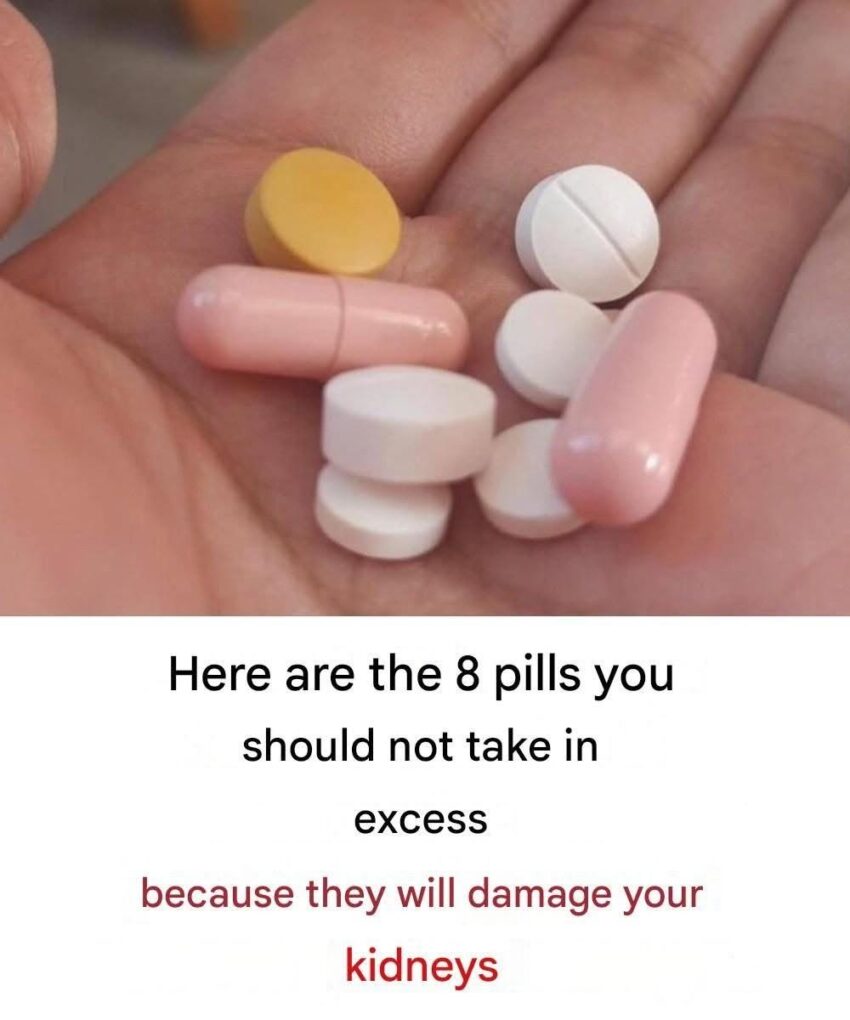
The headline “Eight pills you shouldn’t take because they damage your kidneys” is misleading. Many medications can affect kidney function in certain situations, but they are often safe and beneficial when prescribed appropriately and monitored. The risk is higher in people with chronic kidney disease, dehydration, older age, or multiple medications.
1. Nonsteroidal anti-inflammatory drugs (NSAIDs)
Examples:
- Ibuprofen
- Naproxen
- Diclofenac
These pain relievers can reduce blood flow to the kidneys, particularly with long-term use or high doses.
2. Certain antibiotics
Some antibiotics can affect the kidneys or require dose adjustments if kidney function is reduced.
Examples include some:
- Aminoglycosides
- Vancomycin (requires monitoring)
- Sulfonamide antibiotics in certain situations
3. ACE inhibitors and ARBs
Examples:
- Lisinopril
- Enalapril
- Losartan
- Valsartan
These medications may cause a small rise in kidney blood tests when started, but they are also commonly used to protect the kidneys, especially in people with diabetes or high blood pressure. They should not be stopped without medical advice.
4. Diuretics (“water pills”)
Examples:
- Furosemide
- Hydrochlorothiazide
They can contribute to dehydration or electrolyte imbalances, which may affect kidney function.
5. Proton pump inhibitors (PPIs)
Examples:
- Omeprazole
- Pantoprazole
Long-term use has been linked to certain kidney problems in some people, although the overall risk is relatively low.
6. Some antiviral medications
Certain antiviral drugs can affect the kidneys, so kidney function may need to be monitored during treatment.
7. Some chemotherapy and immunotherapy drugs
Several cancer treatments can affect kidney function and are carefully monitored by healthcare teams.
8. Certain supplements and herbal products
Some “natural” products may contain substances that can damage the kidneys or interact with medications, especially if taken in large amounts.
How to help protect your kidneys
- Take medications only as directed.
- Stay hydrated unless your healthcare professional has advised you to limit fluids.
- Tell your healthcare professional about all prescription drugs, over-the-counter medicines, and supplements you take.
- Have kidney function checked when recommended.
Seek medical attention if you develop:
- Markedly reduced urine output
- Swelling of the legs, ankles, or face
- Persistent nausea or vomiting
- Confusion
- Severe fatigue
- Blood in the urine
The benefits of many of these medications often outweigh their risks when they are prescribed appropriately. If you have concerns, discuss them with your healthcare professional rather than stopping a medication on your own.
If you tell me which medications you take, I can explain whether they have known kidney-related risks and what monitoring is usually recommended.
