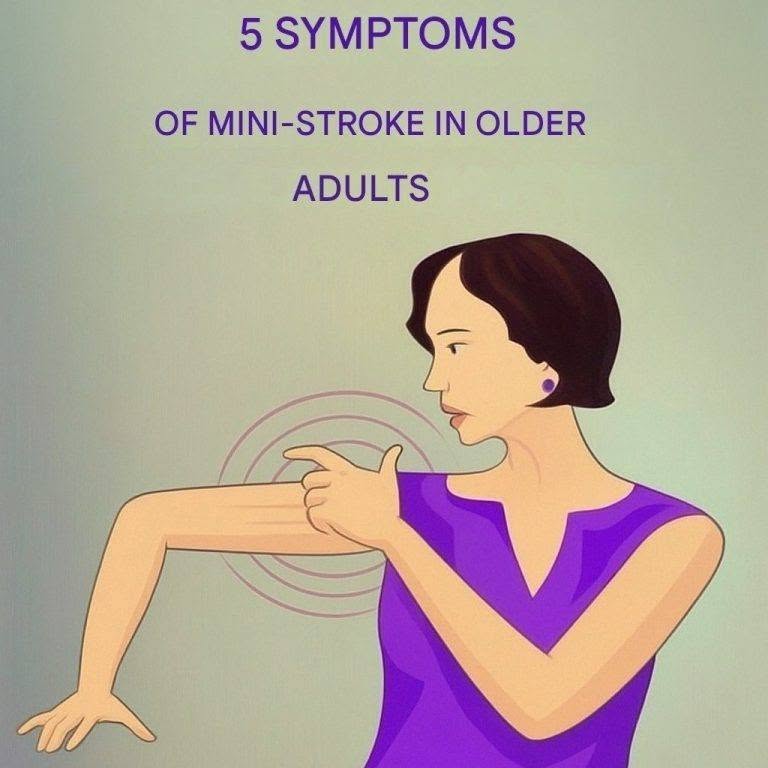
5 Symptoms of a Mini Stroke (TIA) in Seniors That Shouldn’t Be Ignored
A mini stroke, medically called a transient ischemic attack (TIA), happens when blood flow to part of the brain is briefly interrupted. Symptoms may disappear quickly, but a TIA can be a warning sign of a possible future stroke and should always be taken seriously.
1. Sudden weakness or numbness
Watch for:
- Weakness in the face, arm, or leg
- Numbness or tingling
- Symptoms usually affecting one side of the body
2. Sudden trouble speaking
Possible signs include:
- Slurred speech
- Difficulty finding the right words
- Trouble understanding what others are saying
- Sudden confusion
3. Sudden vision problems
A TIA may cause:
- Blurred vision
- Double vision
- Temporary loss of vision in one or both eyes
4. Sudden dizziness or loss of balance
Warning signs include:
- Feeling unusually dizzy
- Trouble walking
- Loss of coordination
- Difficulty standing steadily
5. Sudden severe headache or unusual neurological changes
A sudden, intense headache—especially if it is different from previous headaches—may require urgent evaluation, particularly when combined with other symptoms.
Remember FAST:
- F — Face: Is one side of the face drooping?
- A — Arms: Is one arm weak or numb?
- S — Speech: Is speech unclear or unusual?
- T — Time: Call emergency services immediately.
Why quick action matters
Even if symptoms go away, a TIA can indicate an increased risk of a major stroke. A healthcare professional can check for possible causes, such as:
- High blood pressure
- Atrial fibrillation (irregular heartbeat)
- Narrowed blood vessels
- Blood clot risks
Seek emergency help immediately for:
- Sudden weakness or numbness
- New speech difficulties
- Sudden vision loss
- Severe dizziness with neurological symptoms
- Loss of consciousness
Fast recognition and treatment can help reduce the chance of a serious stroke.
