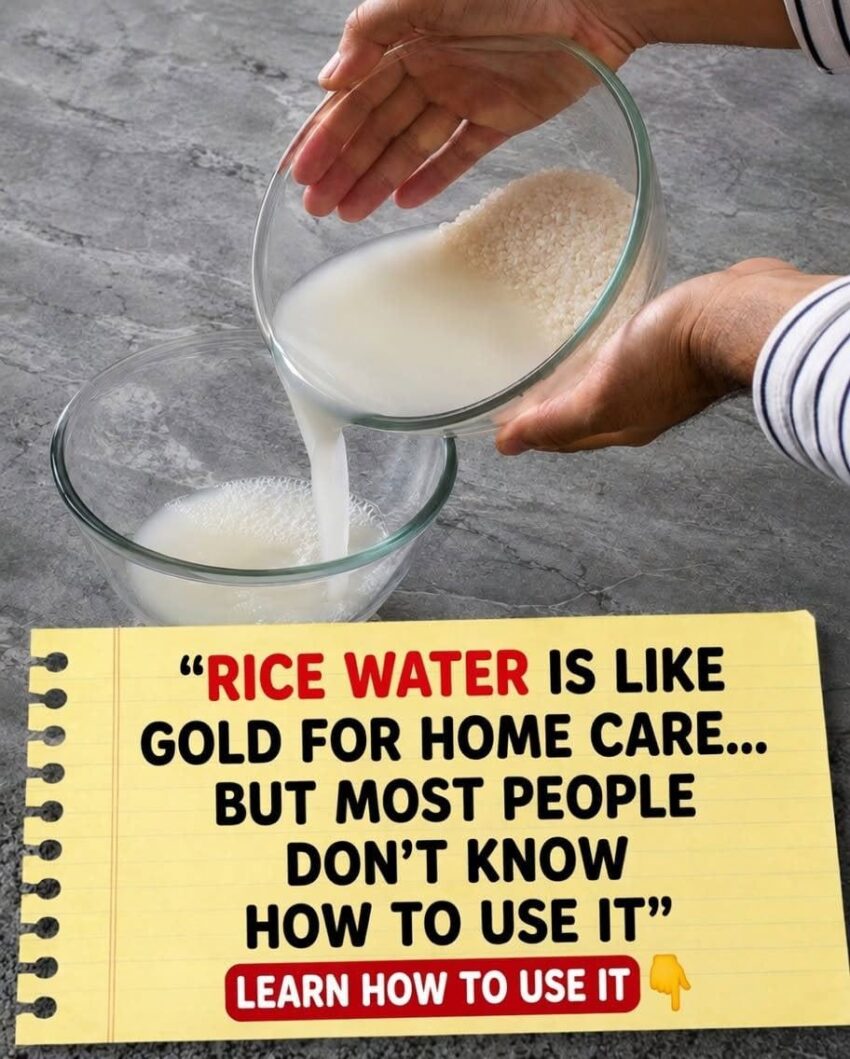
Rice Water: Is It Really “Gold in Your Home”?
The idea that rice water is a miracle ingredient is popular online, especially for skincare and hair care. While rice water is inexpensive and contains some nutrients, many claims about it are exaggerated. It is not a cure-all, but it may have some practical uses.
Uses of rice water
1. Hair care
Rice water contains:
- Starch
- Small amounts of vitamins and minerals
- Plant compounds
Some people use it as a hair rinse because it may:
- Make hair feel smoother
- Reduce friction and improve manageability
- Add a temporary feeling of softness
However, strong scientific evidence that rice water dramatically grows hair or repairs damage is limited.
2. Skin care
Rice water has traditionally been used on skin because it may:
- Feel soothing
- Help remove excess oil for some people
- Provide a gentle, temporary softening effect
It does not reliably remove wrinkles, erase dark spots, or transform skin overnight.
3. Cooking and household uses
Rice water can also be used for:
- Thickening soups or sauces
- Adding starch to some recipes
- Watering some plants (when unsalted and used appropriately)
How to make rice water
Simple method:
- Rinse rice to remove dirt.
- Mix rice with clean water.
- Let it soak for about 15–30 minutes.
- Strain the water and use it fresh.
If you ferment rice water, be careful:
- It can develop bacteria or an unpleasant smell.
- Store it safely and discard it if it looks spoiled.
Safety tips
- Patch test rice water on skin before regular use.
- Stop using it if you notice itching, redness, or irritation.
- Avoid applying homemade mixtures to broken or irritated skin.
Bottom line
Rice water can be a simple, low-cost beauty or cooking ingredient, but it is not a miracle treatment. Healthy hair and skin depend mostly on overall nutrition, gentle care, sun protection, and appropriate products.
