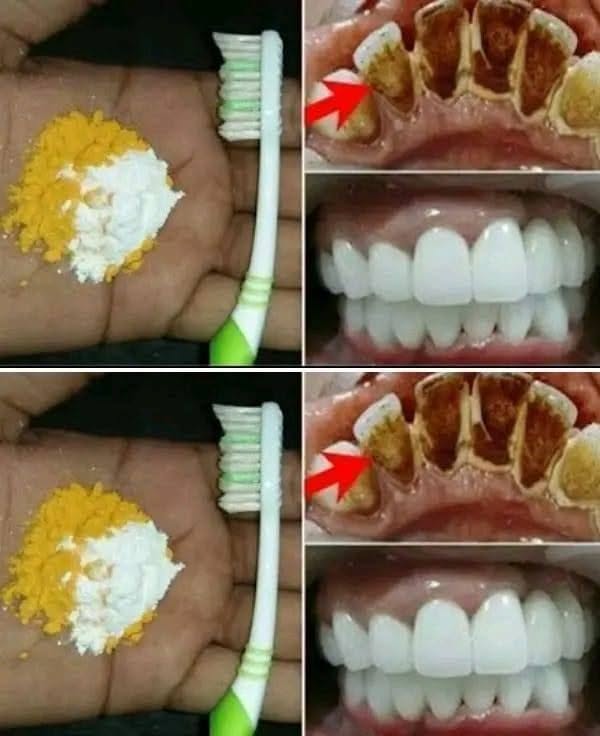
The claim “Home Teeth Whitening: Get Whiter Teeth in Just 2 Minutes!” is likely an exaggeration.
Here’s what to expect from different whitening methods:
- Whitening toothpaste: Can remove some surface stains over days to weeks, but won’t dramatically change the natural color of your teeth in 2 minutes.
- Whitening strips or gels: Usually need to be worn for 15–60 minutes per session over several days or weeks for noticeable results.
- Professional in-office whitening: Can produce visible whitening in a single appointment, but the treatment typically takes 30–90 minutes—not 2 minutes.
If a video suggests a DIY method using ingredients like lemon juice, baking soda, charcoal, or hydrogen peroxide:
- Lemon juice or other acidic ingredients can erode tooth enamel.
- Activated charcoal has not been shown to whiten teeth effectively and may be abrasive.
- Baking soda can help remove some surface stains but won’t dramatically whiten teeth in minutes.
- Hydrogen peroxide is a common whitening ingredient, but effectiveness depends on its concentration, formulation, and contact time. Misusing concentrated peroxide can irritate your gums and damage oral tissues.
If you’re looking for safe at-home whitening, the best-supported options are:
- Over-the-counter whitening strips or gels that follow the manufacturer’s instructions.
- Whitening toothpaste for mild surface stains.
- Dentist-supervised whitening if you want faster, more noticeable results.
A product promising dramatically whiter teeth in just 2 minutes should be viewed skeptically unless it provides strong clinical evidence to support the claim.
