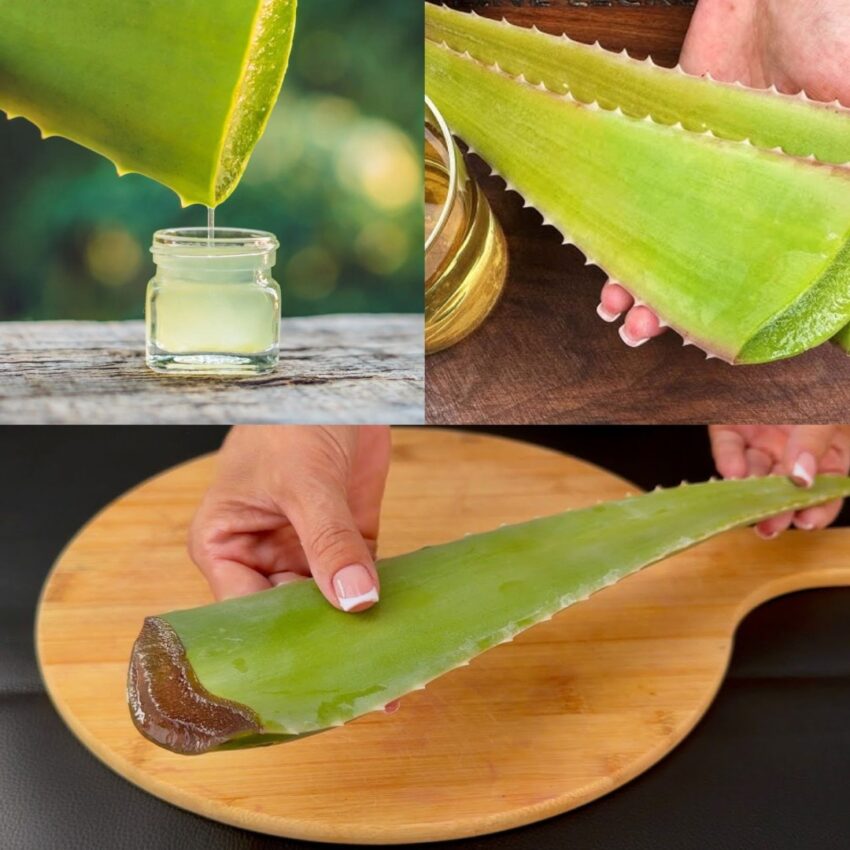
The aloe vera plant is a versatile succulent known for its healing, moisturizing, and health-supporting properties. It’s easy to grow at home and can be used both topically and internally (with care).
🌿 Key Facts About Aloe Vera
- Scientific name: Aloe barbadensis miller
- Succulent native to North Africa, widely grown indoors or in gardens
- Thick, fleshy leaves store gel that contains vitamins, minerals, and antioxidants
✅ Benefits
- Skin care
- Moisturizes dry skin
- Soothes sunburns, minor burns, and cuts
- Can reduce inflammation and redness
- Hair care
- Strengthens hair and reduces dandruff
- Can be used as a scalp conditioner
- Digestive support
- Aloe juice may help with mild constipation and digestive discomfort
- Drink in moderation; overuse can cause diarrhea
- Immune support
- Contains antioxidants (vitamins A, C, and E) that combat oxidative stress
🧴 How to Use Aloe Vera
Topical (skin & hair):
- Cut a leaf near the base
- Slice it open and scoop out the clear gel
- Apply directly to skin, burns, or hair
Internal (juice or smoothie):
- Only use the clear gel, not the yellow latex, which can be a strong laxative
- Blend small amounts (1–2 tsp) into water or smoothies
⚠️ Safety Tips
- Patch-test skin first; some people may be allergic
- Avoid ingesting large quantities of aloe latex (yellow sap)
- Consult a doctor if pregnant, breastfeeding, or taking medications
🧠 Bottom line
The aloe vera plant is a natural, multipurpose remedy for skin, hair, and digestion. Easy to grow at home, it’s a great addition to a health-conscious lifestyle.
If you want, I can make a quick guide to growing and harvesting aloe vera at home for maximum benefits, including skincare and digestive uses.
