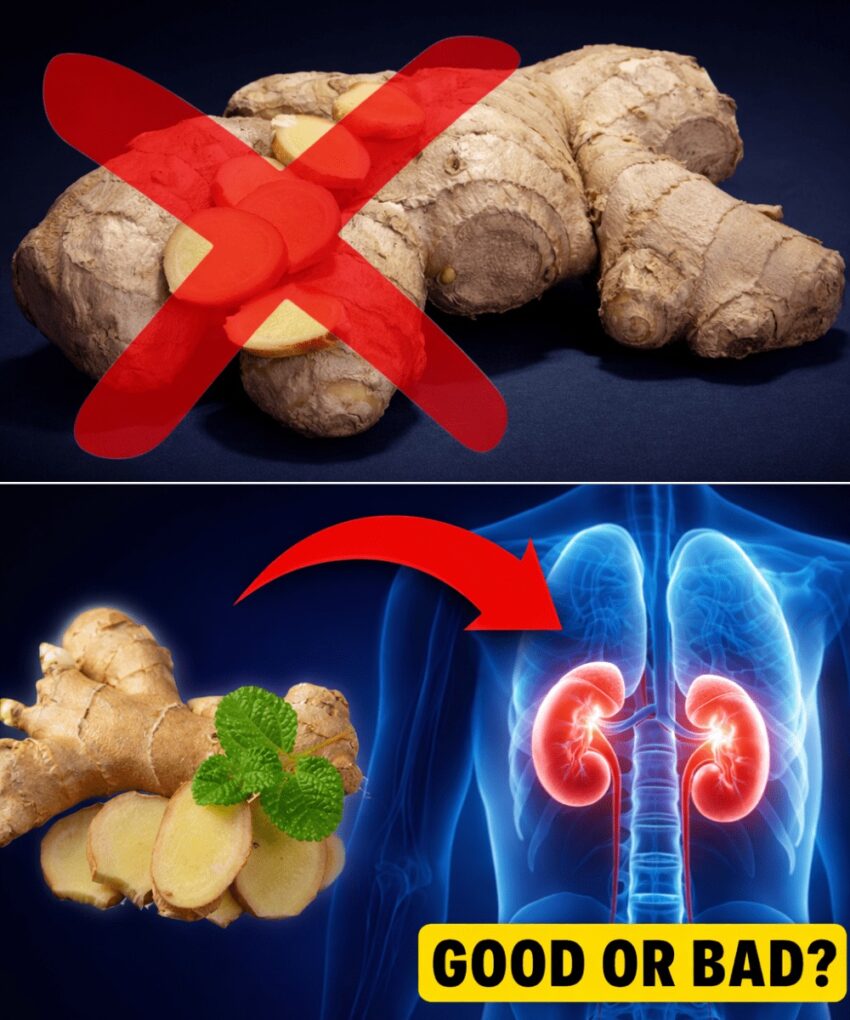
Ginger is generally safe for most people and even has health benefits like reducing inflammation, easing nausea, and improving digestion. But there are certain health conditions where ginger can be risky or should be used with caution:
1. Bleeding Disorders
- Ginger may thin the blood and increase bleeding risk.
- People with hemophilia or those taking blood-thinning medications (like warfarin, aspirin, or clopidogrel) should avoid high doses of ginger.
2. Low Blood Pressure (Hypotension)
- Ginger can lower blood pressure, which could cause dizziness or fainting in people already prone to low BP.
3. Heart Conditions
- In some sensitive individuals, ginger may affect heart rhythm or blood clotting.
- People with arrhythmias or recent heart surgery should consult a doctor before taking concentrated ginger supplements.
4. Gallstones or Gallbladder Problems
- Ginger can stimulate bile production, which might worsen symptoms in people with gallstones or bile duct obstruction.
5. Pregnancy (High Doses)
- Ginger is often used in small amounts for nausea, but high doses may increase bleeding risk or affect contractions.
- Pregnant women should stick to moderate culinary amounts unless a doctor approves supplements.
6. Stomach Ulcers or Acid Reflux
- High doses of ginger may irritate the stomach lining or worsen acid reflux in sensitive individuals.
⚠️ Bottom Line
- Small amounts in cooking or tea are generally safe.
- Avoid high-dose supplements or extracts if you have any of the above conditions.
- Always check with your doctor if you’re on medications like blood thinners, BP meds, or have digestive or heart issues.
If you want, I can make a quick chart of safe vs unsafe ginger use for different health conditions — it’s very easy to reference before adding it to your diet. Do you want me to do that?
