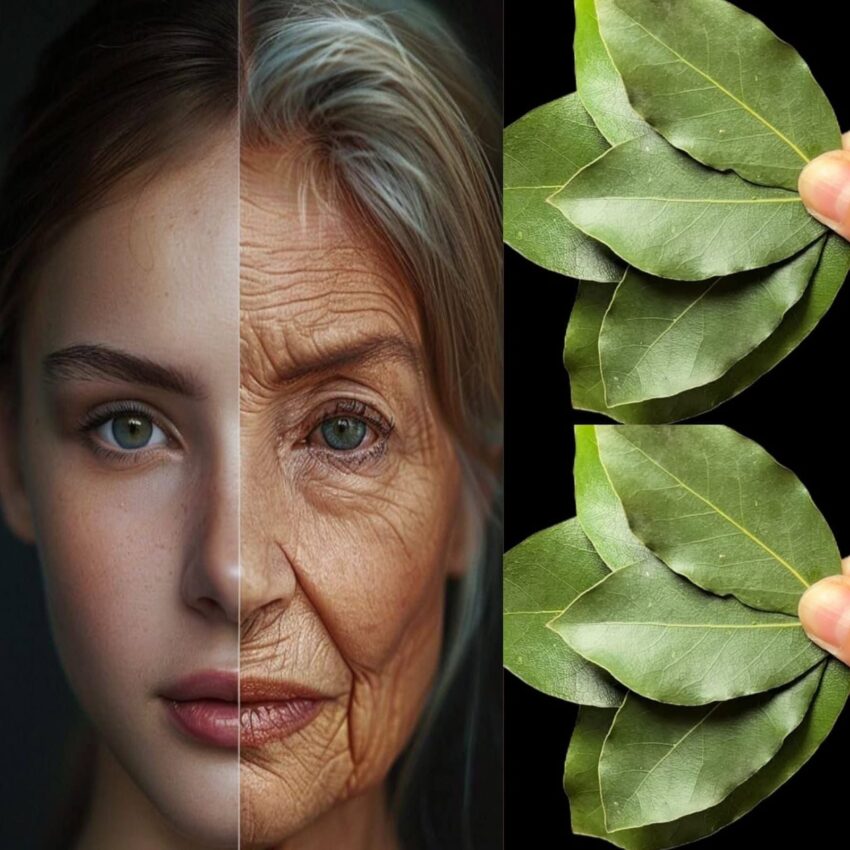
Bay laurel refers to the aromatic evergreen plant commonly used in cooking and traditional medicine.
It is the plant Laurus nobilis, also known as sweet bay or bay leaf tree.
🌿 What it is
- An evergreen shrub or small tree
- Native to the Mediterranean region
- Leaves are thick, dark green, and highly aromatic
- The dried leaves are what we commonly call bay leaves
🍲 Culinary use
Bay laurel leaves are widely used in cooking to:
- add flavor to soups, stews, curries, and sauces
- enhance rice dishes and meat broths
- give a subtle, herbal aroma (not usually eaten whole)
👉 Important: whole leaves are usually removed before serving because they are tough and not edible.
🌱 Traditional & other uses
Historically, bay laurel has been associated with:
- herbal remedies (digestion support, mild anti-inflammatory use)
- essential oils (used in aromatherapy)
- symbolism in ancient Greece and Rome (victory crowns made from bay leaves)
⚠️ Safety note
- Culinary use is safe in normal amounts
- Essential oil is strong and should not be ingested without guidance
- Always use properly labeled edible bay leaves, not ornamental plants
🧠 Bottom line
Bay laurel is mainly a flavoring plant, not a “superfood” or medical cure, but it has been valued for centuries for its aroma and culinary depth.
If you want, I can also explain the difference between bay leaf, curry leaf, and Indian bay leaf—they are often confused but completely different plants.
