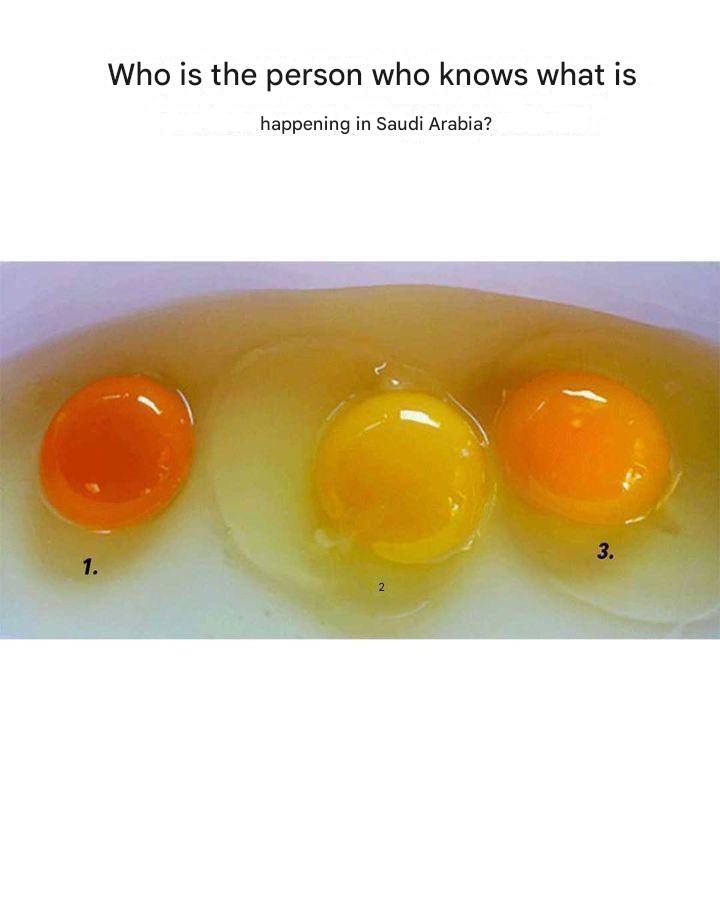
Chicken eggs are one of the most common and nutritious foods worldwide.
Here’s a clear breakdown:
🥚 What chicken eggs contain
A typical egg provides:
- High-quality protein
- Healthy fats
- Vitamin B12, D, A, and B2
- Minerals like iron, selenium, and phosphorus
Most nutrients are in the yolk, while the egg white is mostly protein and water.
💪 Health benefits
- Muscle support (complete protein)
- Keeps you full longer (good for appetite control)
- Brain health (choline in yolk is important)
- Eye health (lutein and zeaxanthin)
⚖️ Cholesterol concern (common myth topic)
- Eggs contain cholesterol, but for most people:
- They have little effect on blood cholesterol
- However, people with certain conditions (like heart disease risk or diabetes) may need personalized limits from a doctor.
🍳 Best ways to eat eggs
- Boiled (least added fat)
- Poached
- Scrambled with minimal oil
- Omelet with vegetables
⚠️ Things to keep in mind
- Raw or undercooked eggs may carry risk of foodborne illness
- Excess frying in oil/butter can make them less healthy
- Balance matters more than avoiding eggs completely
🧠 Bottom line
Eggs are a nutrient-dense, affordable, and generally healthy food when eaten in moderation as part of a balanced diet.
If you want, tell me your goal (weight loss, muscle gain, diabetes control), and I’ll explain exactly how many eggs per day make sense for you.
