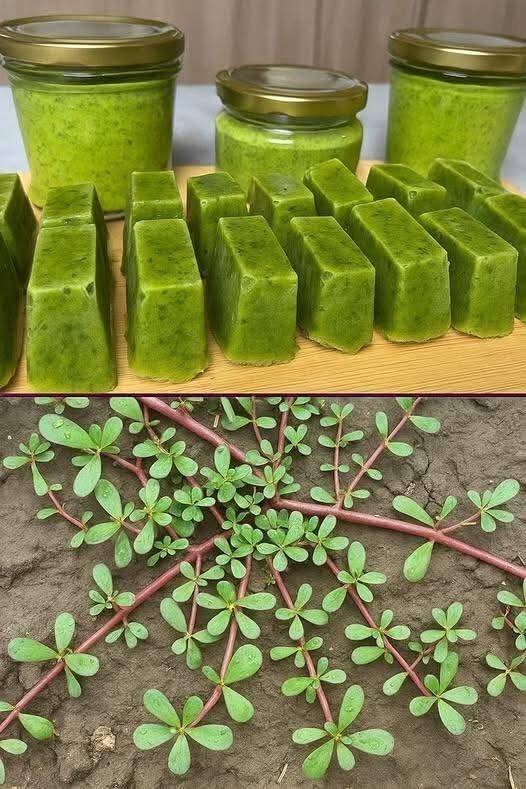
🌿 Common Purslane
Common purslane is a low-growing edible plant known scientifically as Portulaca oleracea. It often grows wild in gardens, fields, sidewalks, and cracks in pavement.
🥗 Is it edible?
Yes—purslane is actually considered a nutritious edible weed in many cultures.
Nutritional highlights:
- Rich in omega-3 fatty acids (unusual for a leafy plant)
- High in vitamins A, C, and E
- Contains magnesium, potassium, and iron
- Has antioxidants
🍽️ How it’s used in food
People eat it in:
- Salads (fresh, slightly lemony taste)
- Stir-fries
- Soups and stews
- Pickles
- Yogurt-based dishes in Middle Eastern cuisine
🌱 Health benefits (traditional + research-supported)
- May support heart health (omega-3 content)
- Helps with hydration (very water-rich plant)
- Provides anti-inflammatory antioxidants
- Supports general nutrient intake
⚠️ Caution before eating
- Only harvest from clean, pesticide-free areas
- Avoid plants near roads (possible contamination)
- Some similar-looking plants may not be edible—proper identification matters
🌍 Interesting fact
In many places, purslane is considered a weed, but in Mediterranean, Middle Eastern, and Asian cuisines, it is valued as a vegetable.
If you want, I can give you a simple purslane recipe or show you how to identify it safely in the wild.
