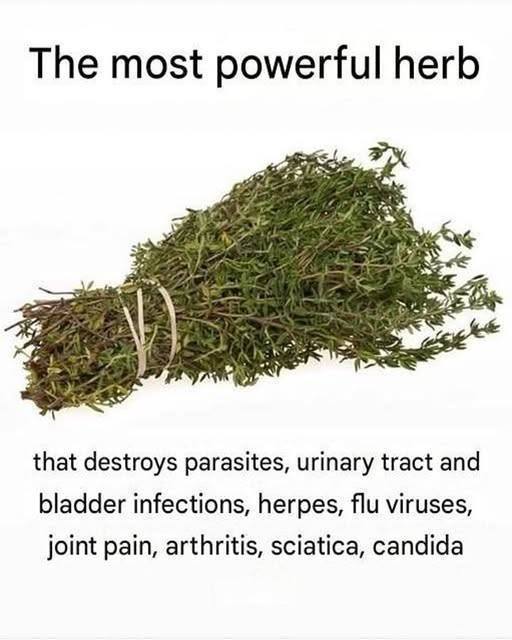
Garden thyme is a versatile herb widely used for culinary, medicinal, and ornamental purposes. Here’s a detailed overview:
1. Scientific Name
- Thymus vulgaris – the most common variety grown in gardens.
2. Description
- A low-growing, woody perennial with small green leaves and tiny flowers that can be white, pink, or purple.
- Has a strong, aromatic scent, often described as earthy, slightly minty, and lemony.
3. Growing Conditions
- Sunlight: Full sun (6–8 hours/day).
- Soil: Well-draining, sandy or loamy soil; slightly alkaline preferred.
- Watering: Moderate; drought-tolerant once established.
- Hardiness: Thrives in USDA zones 5–9.
4. Culinary Uses
- Common in Mediterranean cuisine.
- Adds flavor to soups, stews, roasted meats, vegetables, sauces, and bread.
- Fresh or dried leaves can be used; dried thyme has a more concentrated flavor.
5. Medicinal Uses
- Respiratory health: Can help relieve coughs and bronchitis when used in teas or infusions.
- Digestive aid: Promotes digestion and reduces bloating.
- Antimicrobial & antioxidant: Contains thymol, which has antiseptic properties.
6. Garden Benefits
- Attracts bees and pollinators.
- Can be used as a ground cover or in rock gardens.
- Repels some pests naturally.
7. Harvesting & Storage
- Harvest leaves before the plant flowers for the best flavor.
- Can be dried or frozen for long-term use.
If you want, I can also give a simple homemade thyme remedy for coughs, colds, or throat clearing, which pairs nicely with the mucus-clearing tips we discussed earlier.
Do you want me to share that?
