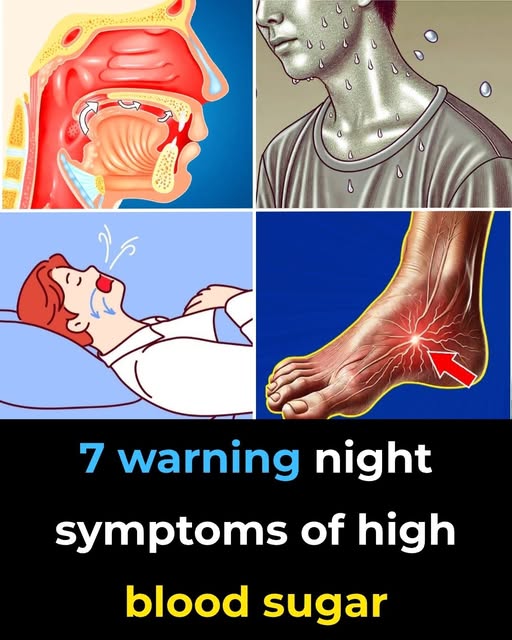
High blood sugar (hyperglycemia) can build up quietly—but your body usually gives warning signs if you know what to look for. Catching them early can help prevent serious complications like Type 2 Diabetes or emergencies such as Diabetic Ketoacidosis.
🚨 Common Early Warning Signs
These often appear when blood sugar starts rising:
- Frequent urination (especially at night)
- Excessive thirst
- Increased hunger even after eating
- Fatigue or weakness
- Blurred vision
- Headaches
⚠️ More Noticeable / Worsening Symptoms
If high blood sugar continues:
- Dry mouth and skin
- Slow-healing wounds or frequent infections
- Unexplained weight loss
- Tingling or numbness in hands/feet
- Darkened skin patches (often around neck/armpits)
🚑 Dangerous Signs (Seek Medical Help)
Very high levels can become life-threatening:
- Nausea and vomiting
- Abdominal pain
- Fruity-smelling breath
- Rapid breathing
- Confusion or drowsiness
These can indicate Diabetic Ketoacidosis (more common in type 1 but possible in others).
🧠 Why These Symptoms Happen
- Extra sugar in your blood pulls fluid from tissues → thirst & dehydration
- Kidneys work harder to remove sugar → frequent urination
- Cells don’t get enough energy → fatigue & hunger
👥 Who Should Be Extra Careful?
- People with diagnosed diabetes
- Overweight individuals
- Family history of Type 2 Diabetes
- Sedentary lifestyle
✅ When to Check Your Blood Sugar
Consider testing if you notice:
- Several symptoms at once
- Symptoms that keep coming back
- Sudden changes in energy, vision, or urination
🟢 Bottom Line
High blood sugar often starts with subtle signs like thirst and fatigue but can escalate quickly. Don’t ignore repeated symptoms—early action can prevent long-term damage.
If you want, I can also give you a quick checklist to tell high vs low blood sugar symptoms (they’re easy to confuse).
