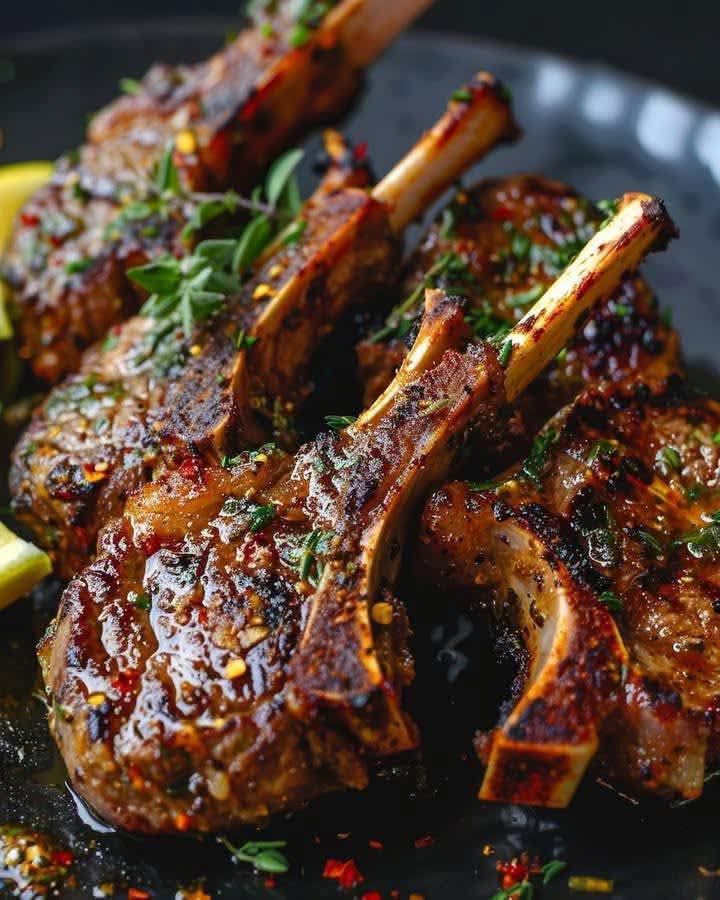
Here’s a detailed comparison of lamb and mutton, covering age, meat characteristics, culinary uses, and nutritional aspects:
| Feature | Lamb | Mutton |
|---|---|---|
| Age of Sheep | Less than 1 year (often 4–12 months) | Older than 1–2 years (sometimes 3–5 years) |
| Meat Color | Light pink to pale red | Darker red or brown |
| Texture | Very tender, soft | Coarser, tougher, needs longer cooking |
| Flavor | Mild, delicate | Stronger, richer, gamier flavor |
| Fat Content | Fat is softer, more evenly distributed | Fat is firmer, sometimes has a stronger smell |
| Cooking Methods | Roasting, grilling, frying, stewing; cooks quickly | Slow cooking: braising, stewing, curries; benefits from marination |
| Common Dishes | Lamb chops, rack of lamb, kebabs, lamb stew | Mutton curry, biryani with mutton, slow-cooked roasts |
| Nutritional Aspects | Slightly lower in saturated fat; higher moisture content | Higher in fat and protein density; richer taste but heavier |
Additional Notes:
- Lamb is preferred in Western cuisines for tenderness and mild flavor.
- Mutton is more common in South Asian, Middle Eastern, and some African cuisines due to its rich flavor that holds up in long cooking.
- In terms of health, both are good protein sources, but mutton has a stronger taste and higher fat content, so portion size may be considered.
If you want, I can also explain how to tell lamb from mutton visually and by smell—this is very useful when shopping for meat. Do you want me to include that?
