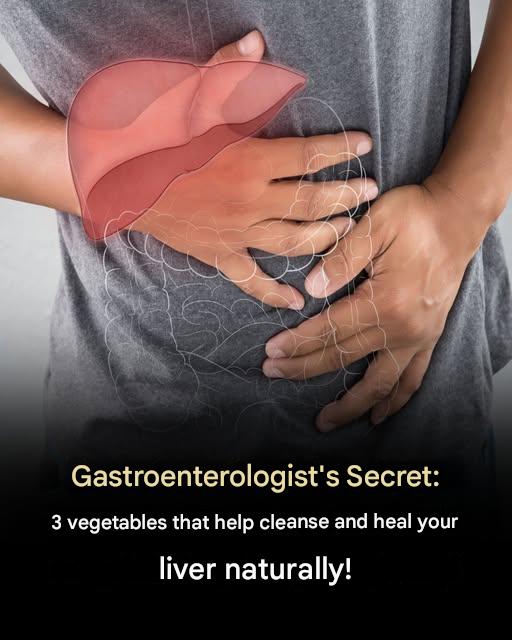
Here’s a comprehensive overview of liver disease, including types, causes, symptoms, and management strategies:
🏥 What Is Liver Disease?
Liver disease refers to any condition that damages the liver and impairs its function. The liver is crucial for:
- Filtering toxins from the blood
- Producing bile for digestion
- Metabolizing drugs
- Storing vitamins and minerals
- Regulating metabolism
When the liver is damaged, these functions can be disrupted, leading to systemic health problems.
🔹 Common Types of Liver Disease
- Hepatitis – Inflammation of the liver, often caused by viruses:
- Hepatitis A, B, C, D, E
- Autoimmune hepatitis
- Fatty Liver Disease
- Non-alcoholic fatty liver disease (NAFLD) – Fat buildup in people who drink little or no alcohol
- Alcoholic fatty liver disease – Caused by excessive alcohol use
- Cirrhosis
- Scarring of liver tissue from long-term damage
- Common causes: chronic hepatitis, alcohol abuse, NAFLD
- Liver Cancer
- Primary liver cancer (hepatocellular carcinoma) or metastases from other organs
- Genetic/Metabolic Disorders
- Hemochromatosis (iron overload)
- Wilson’s disease (copper buildup)
- Alpha-1 antitrypsin deficiency
⚠️ Symptoms of Liver Disease
- Fatigue, weakness
- Jaundice (yellowing of skin and eyes)
- Abdominal pain or swelling
- Dark urine or pale stools
- Nausea or vomiting
- Easy bruising or bleeding
- Swelling in the legs and ankles (edema)
- Confusion or cognitive changes in advanced cases (hepatic encephalopathy)
Note: Early liver disease can be silent, so regular checkups are important for at-risk individuals.
🧬 Causes & Risk Factors
- Viral infections – Hepatitis viruses
- Alcohol abuse – Heavy or long-term alcohol use
- Obesity & metabolic syndrome – Leading to fatty liver
- Genetic predisposition – Inherited disorders like Wilson’s disease
- Medications & toxins – Certain painkillers, herbal supplements, or industrial chemicals
🩺 Diagnosis
- Blood tests – Liver enzymes (ALT, AST), bilirubin, albumin
- Imaging – Ultrasound, CT scan, MRI
- Liver biopsy – To assess damage severity
- FibroScan – Non-invasive test to measure liver stiffness
🥗 Management & Treatment
- Lifestyle changes
- Avoid alcohol completely
- Maintain a healthy weight
- Eat a balanced diet rich in fruits, vegetables, and lean protein
- Exercise regularly
- Medication
- Antiviral drugs for hepatitis
- Medications to manage symptoms (e.g., for itching, fluid retention)
- Cholesterol or diabetes medications if relevant
- Surgery / Procedures
- Liver transplant for advanced cirrhosis or liver failure
- Removal of tumors if cancer is present
- Monitoring
- Regular liver function tests
- Ultrasounds for cirrhosis or liver cancer risk
💡 Prevention Tips
- Get vaccinated for hepatitis A and B
- Avoid excessive alcohol
- Maintain healthy weight and diet
- Avoid risky behaviors that transmit hepatitis (unsafe sex, sharing needles)
- Limit unnecessary medications or supplements that stress the liver
If you want, I can make a simple table summarizing all liver diseases with causes, symptoms, and treatment for quick reference. This can help you identify risks more clearly.
Do you want me to do that?
