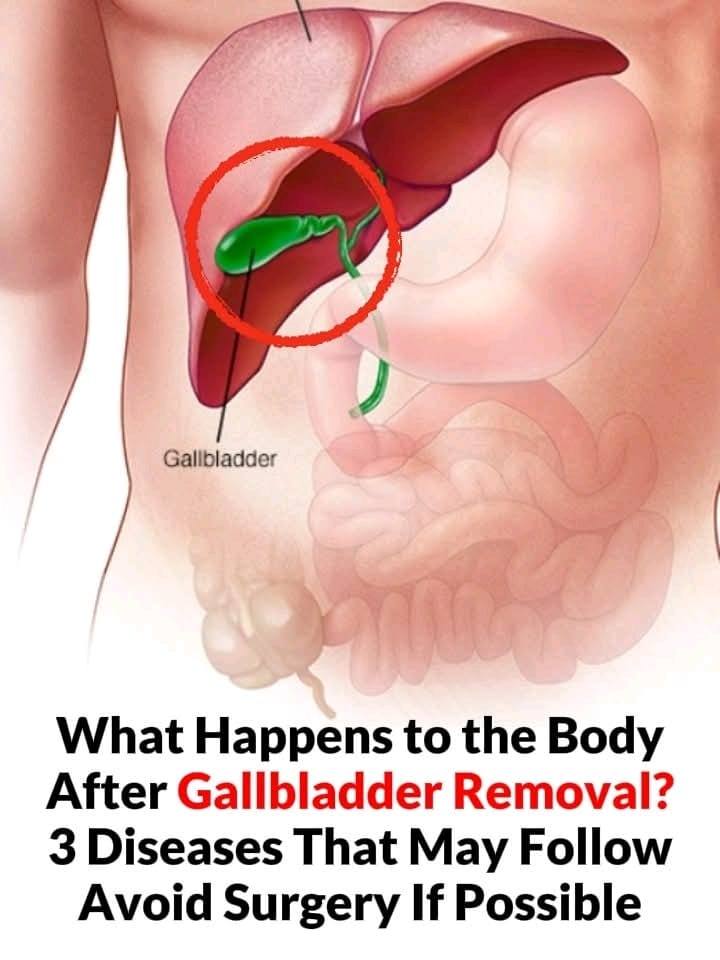
Having symptoms years after gallbladder removal isn’t unusual—but it’s often misunderstood. Removing the gallbladder changes how bile flows, and that can affect digestion long-term in some people.
Cholecystectomy
🧠 Why problems can appear later
The gallbladder normally stores and releases bile in controlled amounts. After surgery:
- Bile flows continuously into the intestines
- This can irritate the gut or affect fat digestion over time
⚠️ Common long-term issues
1) Diarrhea or loose stools
- Especially after fatty meals
- Caused by excess bile entering the intestines
2) Bloating and gas
- Difficulty digesting fats fully
- Can lead to discomfort after eating
3) Acid reflux or indigestion
Gastroesophageal Reflux Disease
- Some people experience more reflux symptoms after surgery
4) Bile reflux
- Bile can move into the stomach instead of staying in intestines
- Causes burning, nausea, or upper abdominal discomfort
5) Postcholecystectomy syndrome
Postcholecystectomy syndrome
- Ongoing symptoms like pain, nausea, bloating
- Can occur months or years later
6) Nutrient absorption issues (less common)
- Trouble absorbing fat-soluble vitamins (A, D, E, K) in some cases
🚩 When to get checked
See a doctor if you have:
- persistent diarrhea
- severe or recurring abdominal pain
- unexplained weight loss
- vomiting or bile taste
- symptoms interfering with daily life
✅ What helps manage symptoms
🍽️ Diet changes
- Eat smaller, more frequent meals
- Reduce very fatty or fried foods
- Add fiber gradually
💊 Medical options
- Bile acid binders (if diarrhea is severe)
- Acid-reducing meds for reflux
- Enzyme support in some cases
🧘 Lifestyle
- Avoid lying down right after meals
- Maintain a healthy weight
🧠 Bottom line
- Some digestive issues years later are real and explainable
- They’re usually manageable, not dangerous
- Proper diagnosis matters—don’t just assume it’s “normal aging”
If you want, tell me your exact symptoms (pain, diarrhea, timing after meals), and I can help narrow down what’s most likely in your case.
