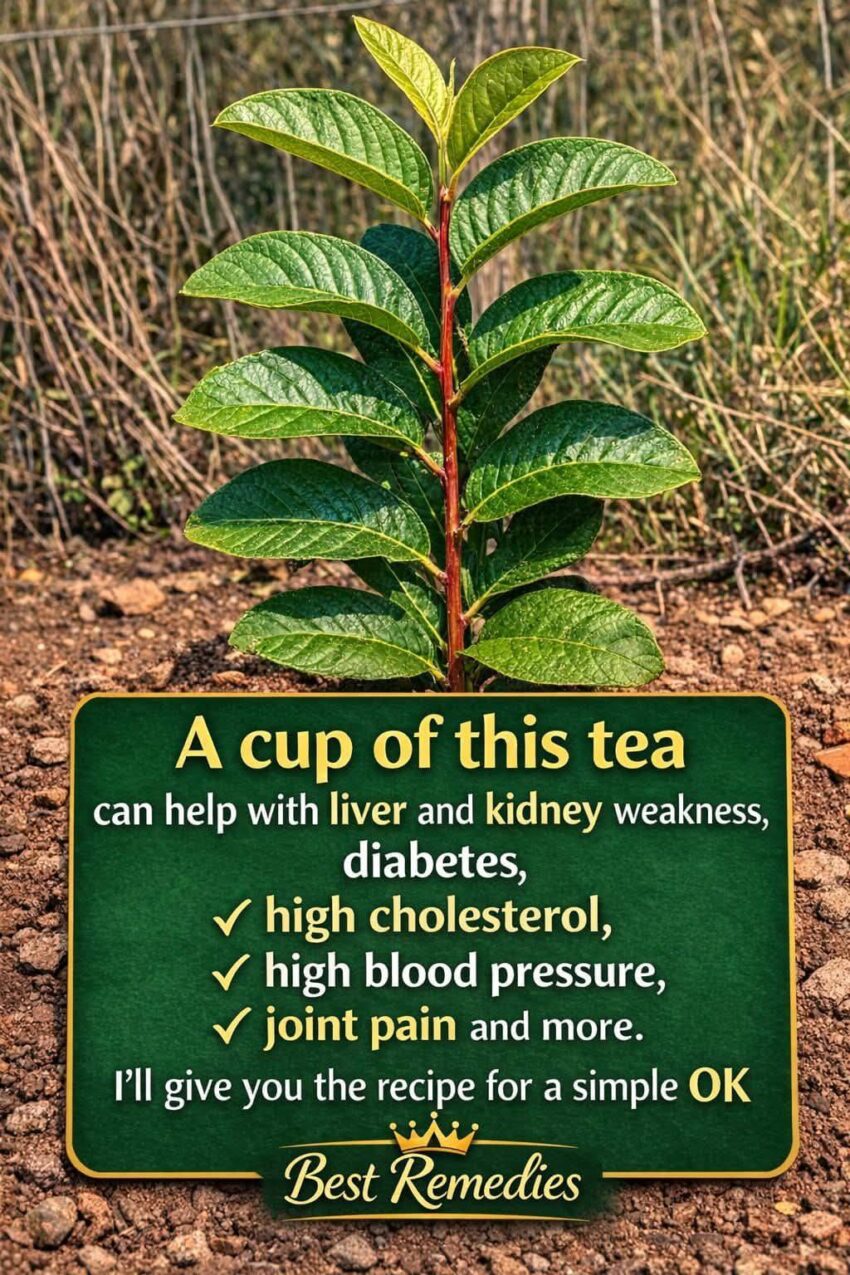
Psidium guineense—commonly called Brazilian guava or “sour guava”—is a tropical fruit-bearing plant in the same genus as the common guava (Psidium guajava).
🌿 What it is
- A small tree or shrub native to Central and South America
- Produces small, round fruits that are usually yellow or green when ripe
- Flavor is typically more tart and aromatic than regular guava
🍈 Key characteristics
- Leaves: Dark green, slightly leathery
- Flowers: White, with many stamens (typical of guava family)
- Fruit:
- Smaller than common guava
- Thin skin
- Juicy pulp with many small seeds
🍽️ Uses
- Eaten fresh (often with salt or sugar due to tartness)
- Used in:
- Jams and jellies
- Juices and beverages
- Traditional desserts
💊 Nutritional & health aspects
Like other guavas, it is rich in:
- Vitamin C
- Antioxidants
- Dietary fiber
These nutrients support:
- Immune function
- Digestion
- Skin health
🌱 Traditional and local uses
In some regions, parts of the plant are used in folk remedies for:
- Digestive issues
- Mild infections
(Though these uses aren’t always strongly backed by modern clinical research.)
🌍 Where it grows
- Widely found in:
- Brazil
- Caribbean regions
- Parts of Africa and Asia (introduced)
It thrives in warm, tropical climates and can tolerate poorer soils better than many fruit trees.
🧠 Quick takeaway
Psidium guineense is basically a smaller, tarter cousin of common guava, valued for its strong flavor and nutritional benefits.
If you want, I can compare it directly with regular guava or explain how to grow it at home.
