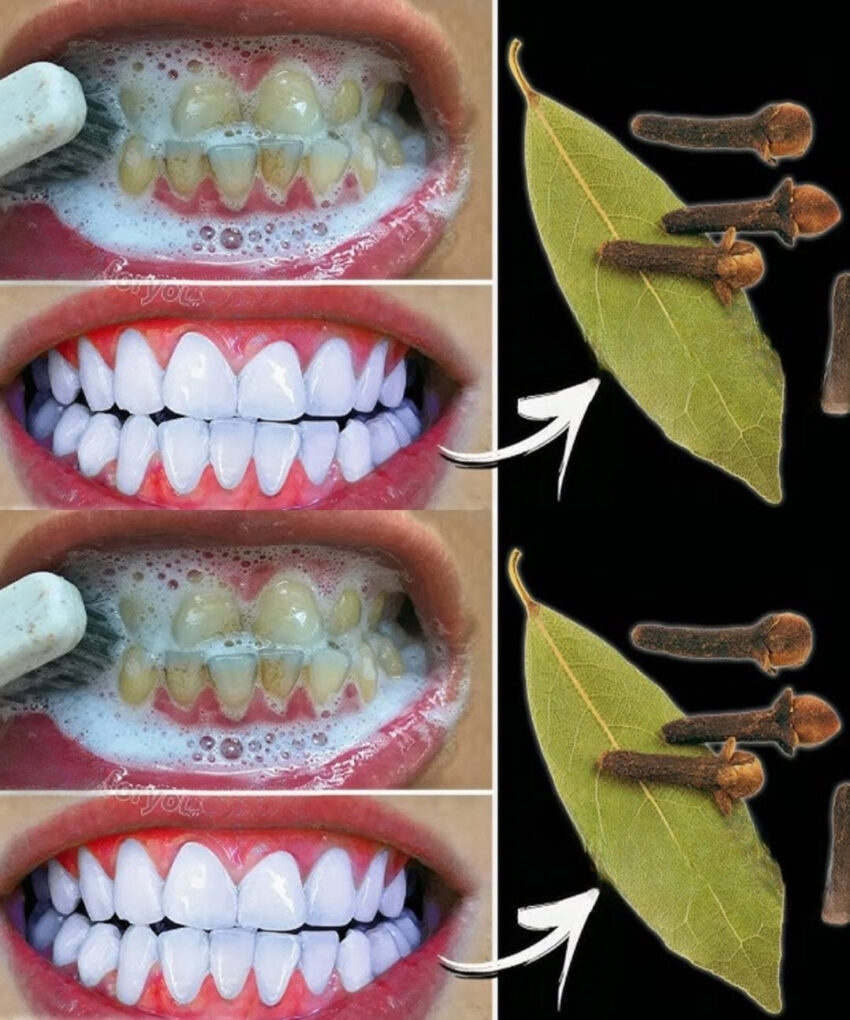
Sage leaves are sometimes promoted online as a natural way to “whiten teeth,” but the reality is more nuanced.
🦷 Does sage actually whiten teeth?
- Sage contains mild abrasive compounds and antibacterial oils
- It may help:
- Reduce plaque buildup
- Freshen breath
- Slightly improve surface staining over time
However:
- It does NOT truly whiten teeth like bleaching agents
- It cannot change the natural tooth color or deep stains (coffee, smoking, aging)
✔️ How people use it
Common traditional methods:
- Rubbing crushed sage leaves on teeth
- Using powdered dried sage as a gentle scrub
- Making sage mouth rinse (boiled leaves in water)
⚠️ Risks / cautions
- Over-scrubbing can wear down enamel (makes teeth more yellow over time)
- Not a substitute for fluoride toothpaste
- Can irritate gums if used aggressively or too often
⭐ What actually works better for whitening
- Professional dental cleaning
- Whitening toothpaste (low-abrasion, fluoride-based)
- Dentist-supervised whitening treatments
- Reducing tea/coffee/smoking habits
Bottom line
Sage can help with oral hygiene and freshness, but it is not a real teeth-whitening treatment.
If you want, I can share a safe natural oral care routine that actually supports whiter-looking teeth without damaging enamel.
